Crown Shyness: Why Forest Canopies Keep Their Distance

Crown Shyness: Why Forest Canopies Keep Their Distance

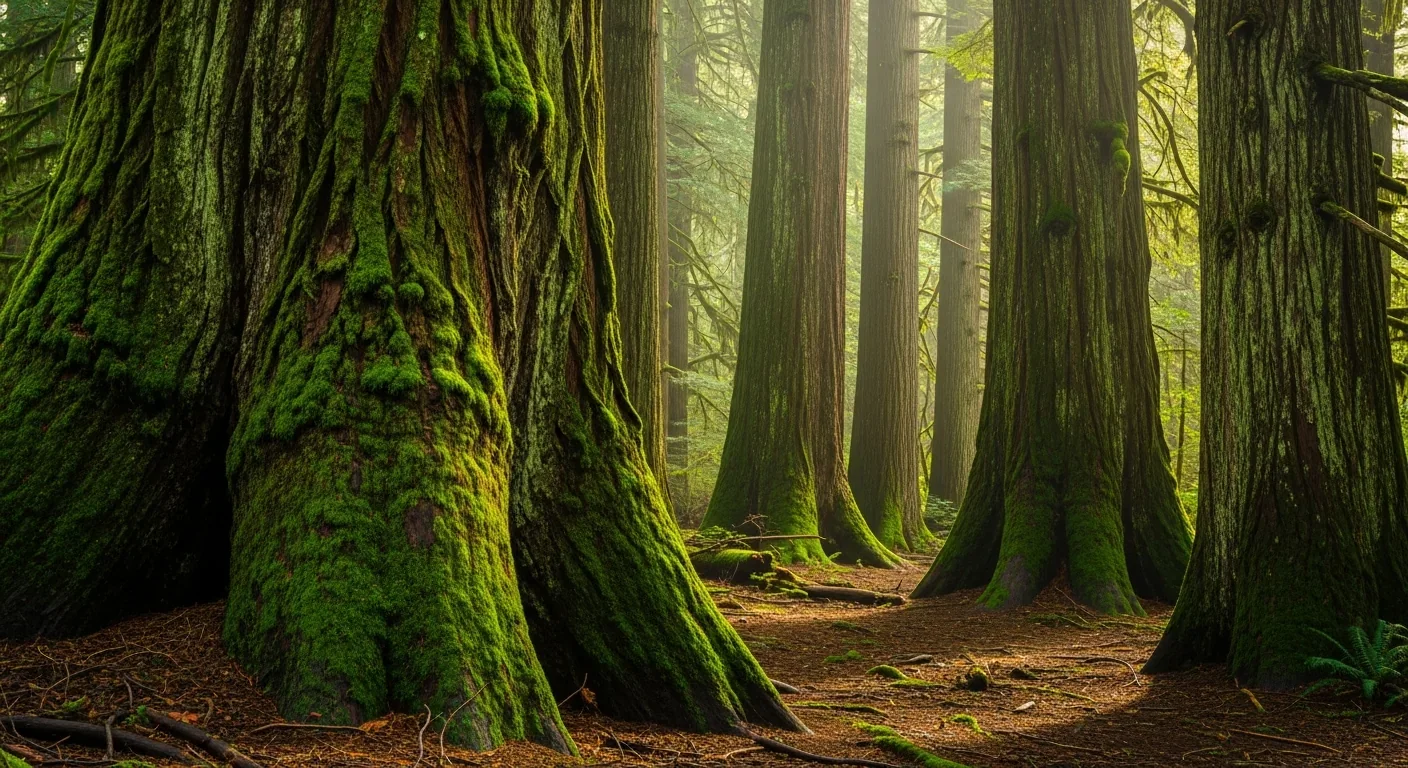
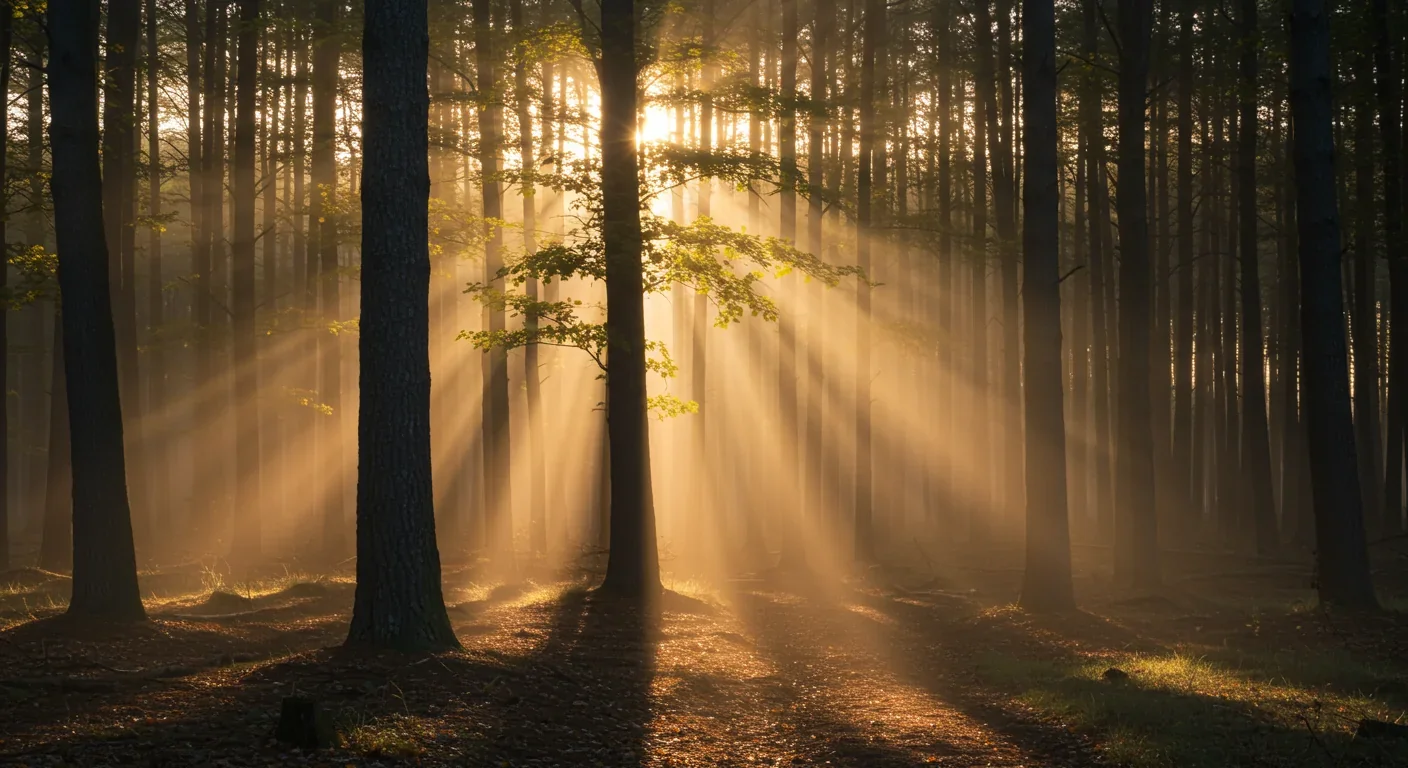
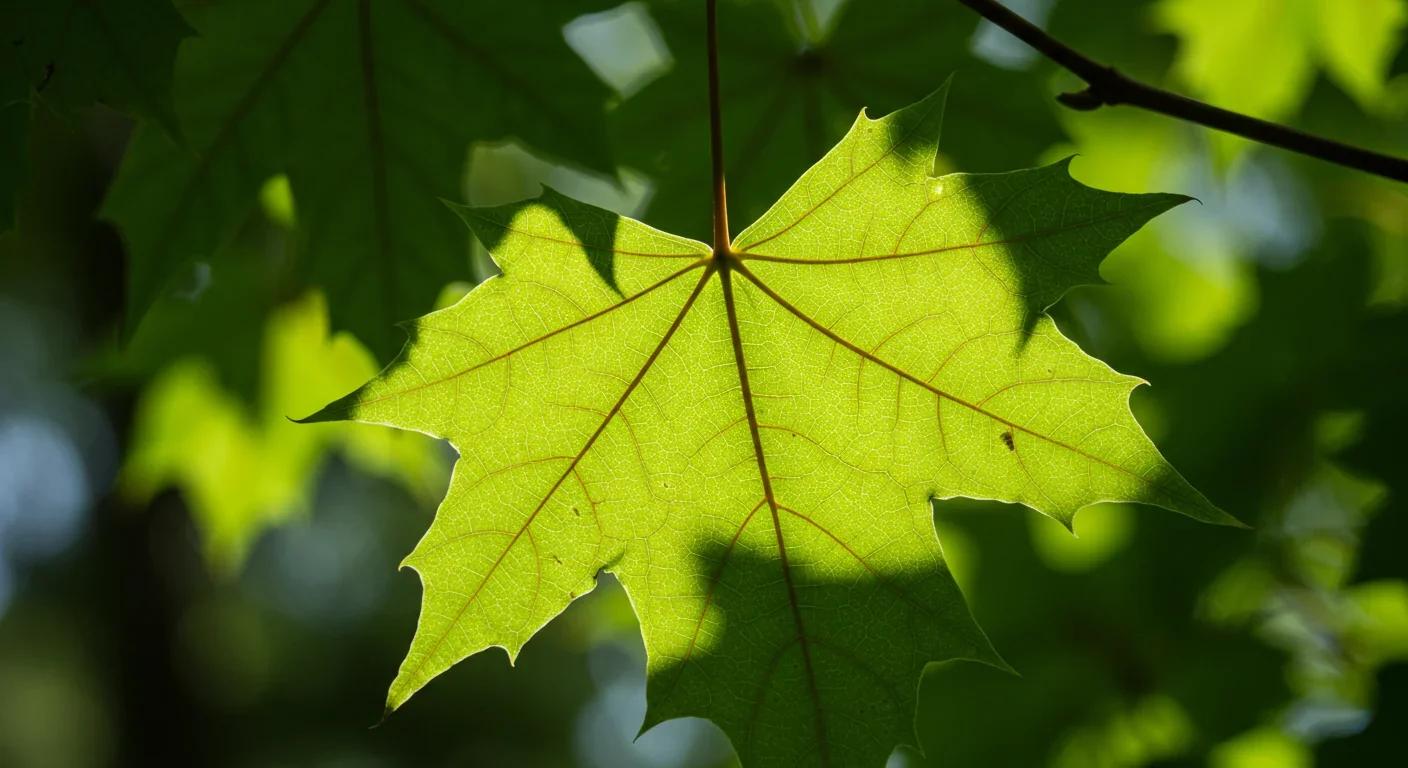
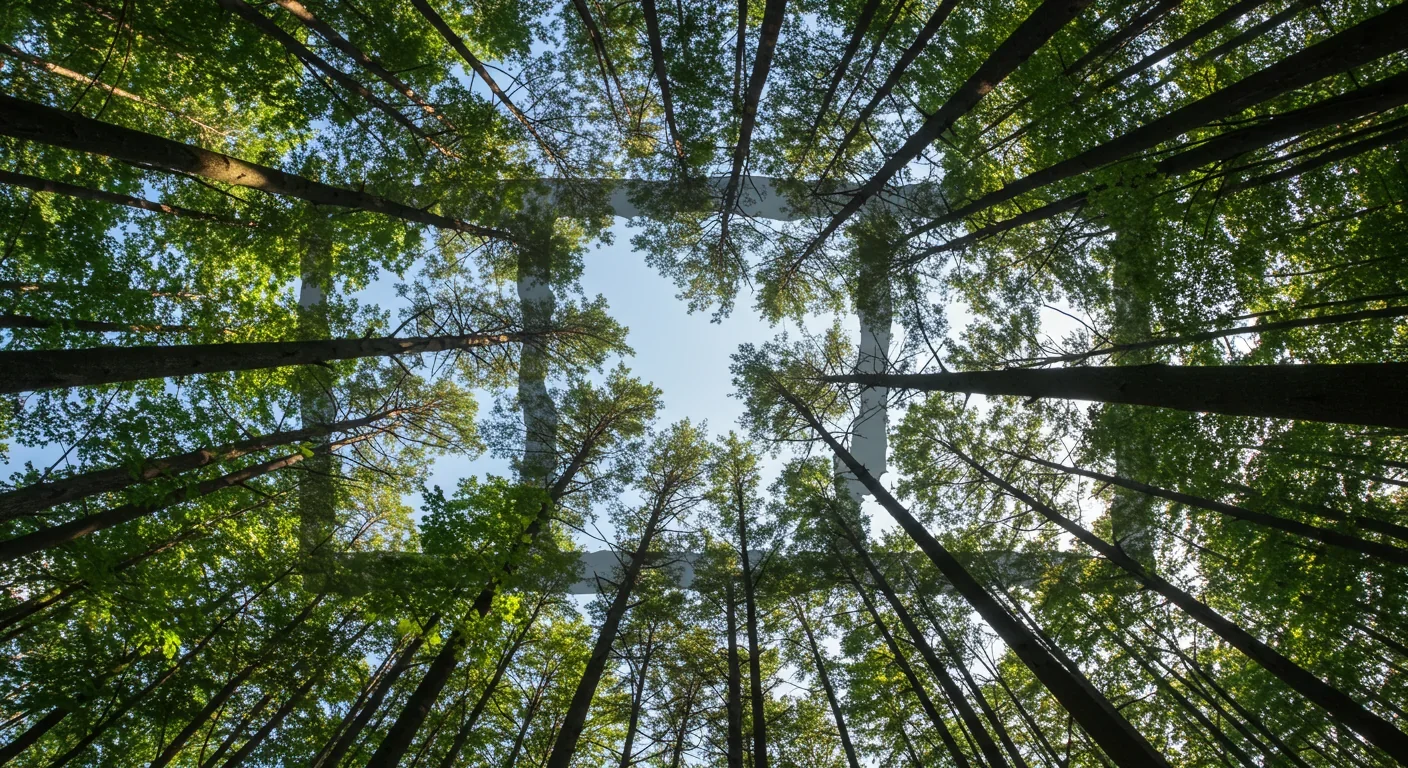
Crown shyness is the phenomenon where tree canopies maintain visible gaps rather than touching, creating puzzle-like patterns in forests. Scientists attribute this to mechanical abrasion from wind collisions and sophisticated light-sensing via photoreceptors. These gaps enhance biodiversity by channeling sunlight to the forest floor, potentially reduce pest and disease transmission, and reveal how competition shapes forest architecture - all without conscious decision-making, simply through phy...
Slime Molds Solve Complex Problems Without Brains

Slime Molds Solve Complex Problems Without Brains

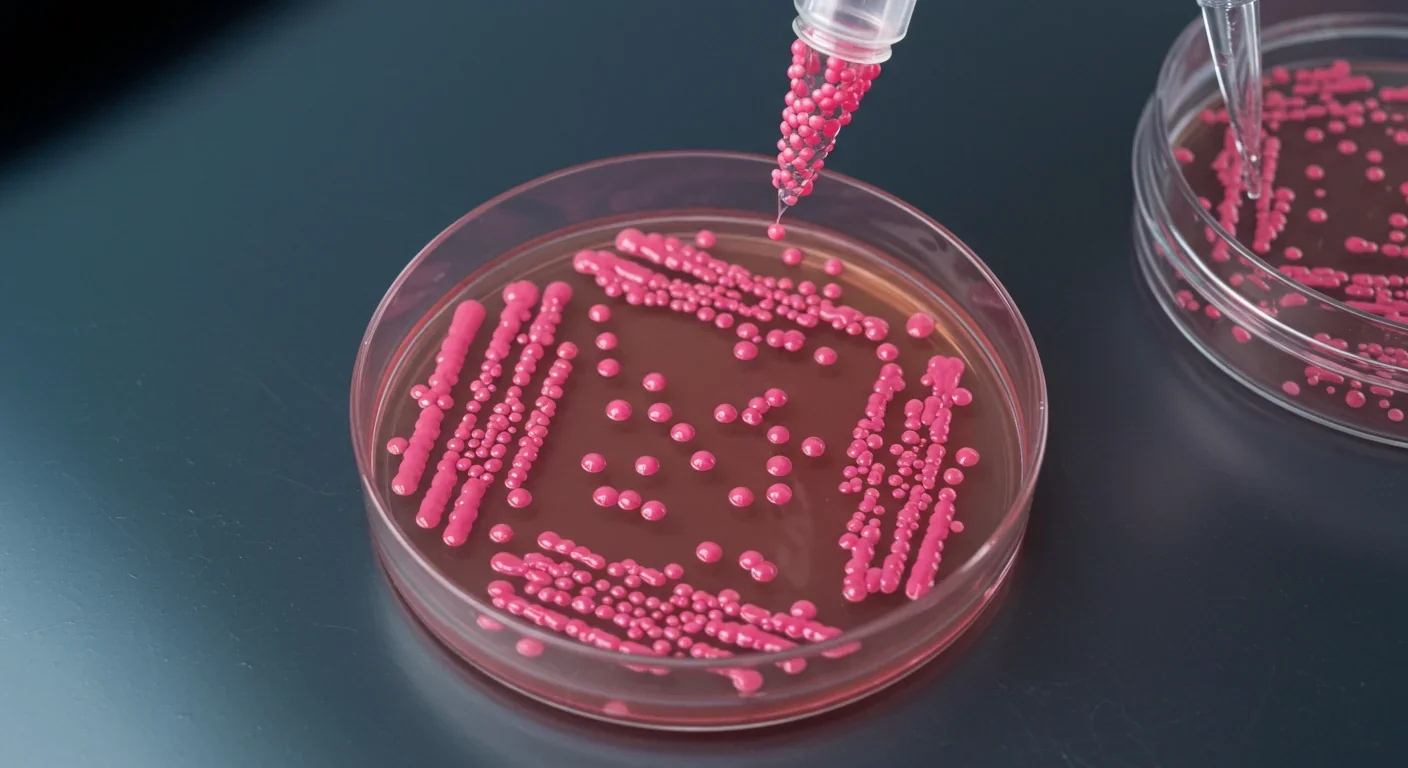
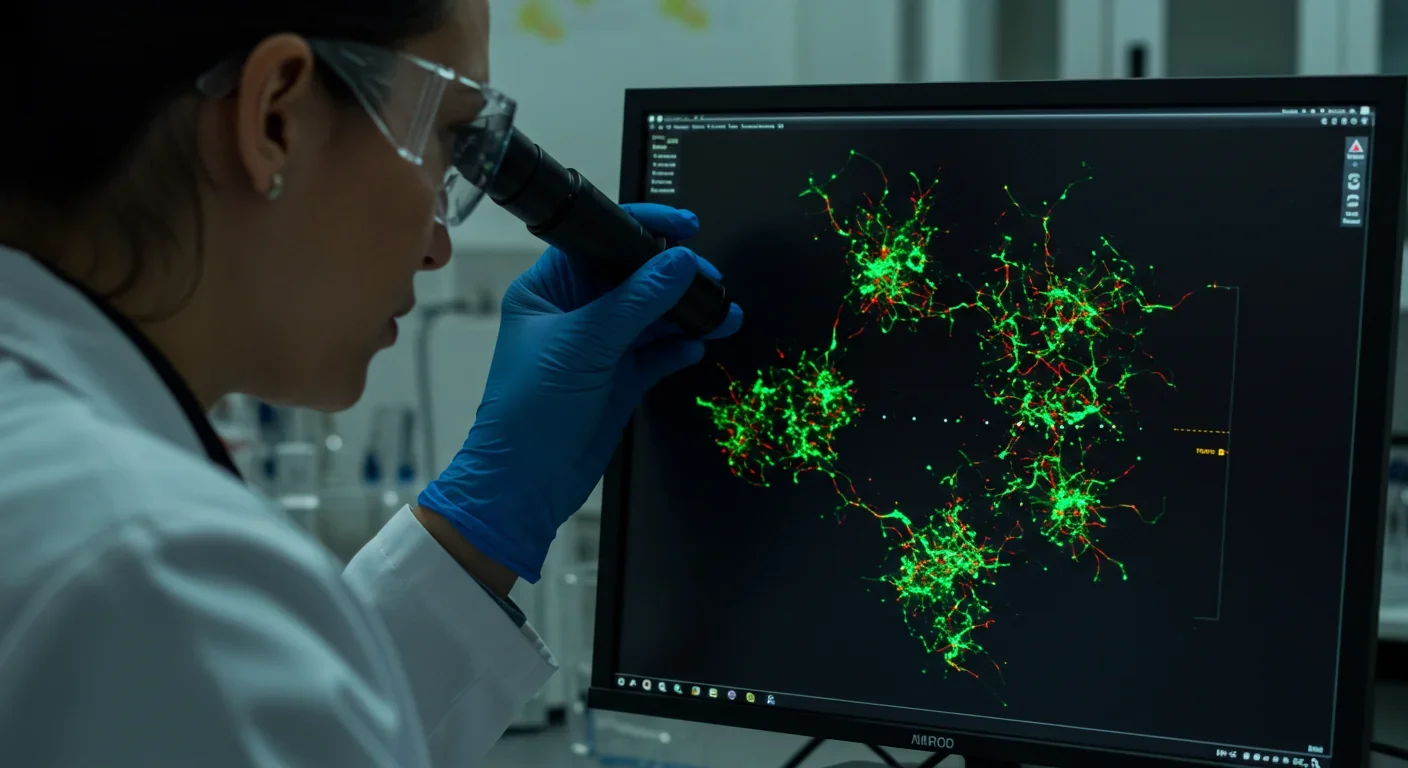
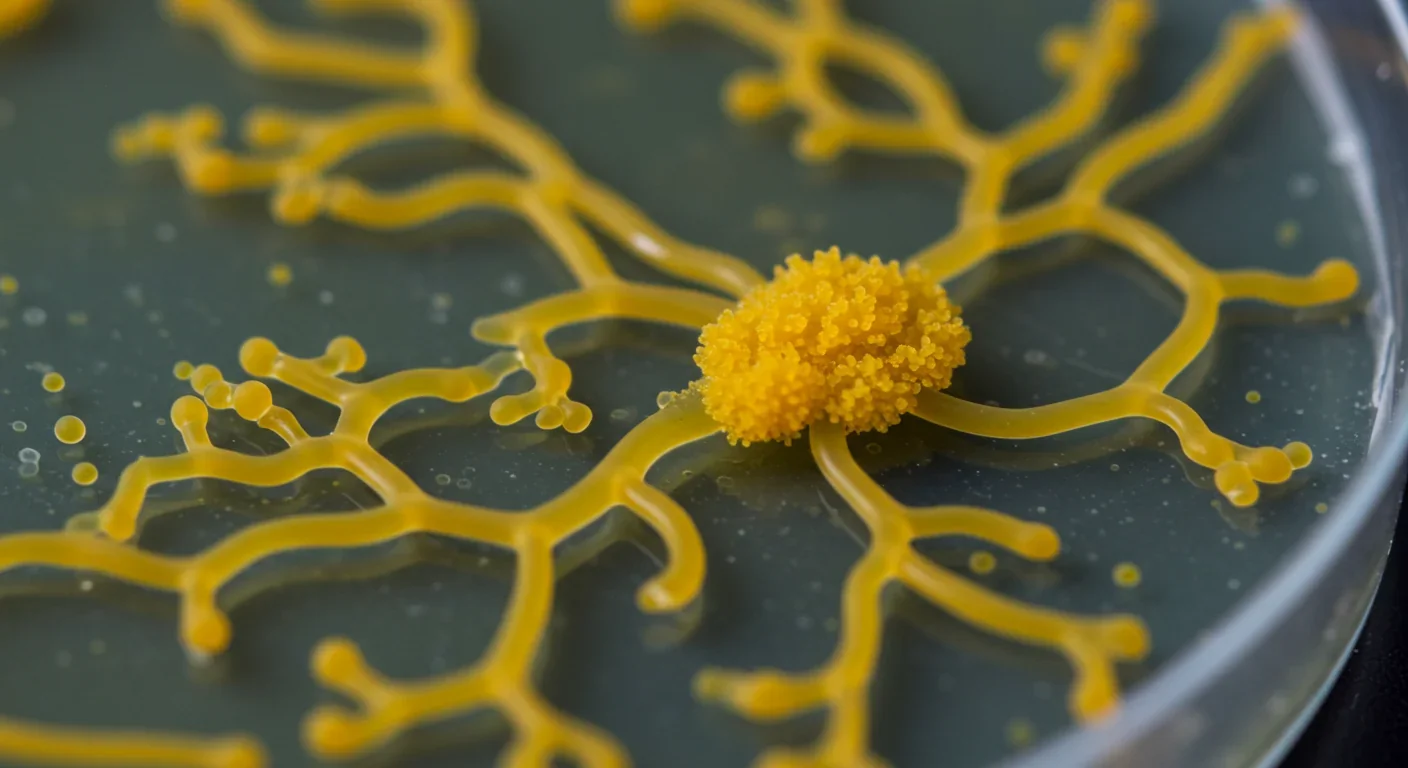
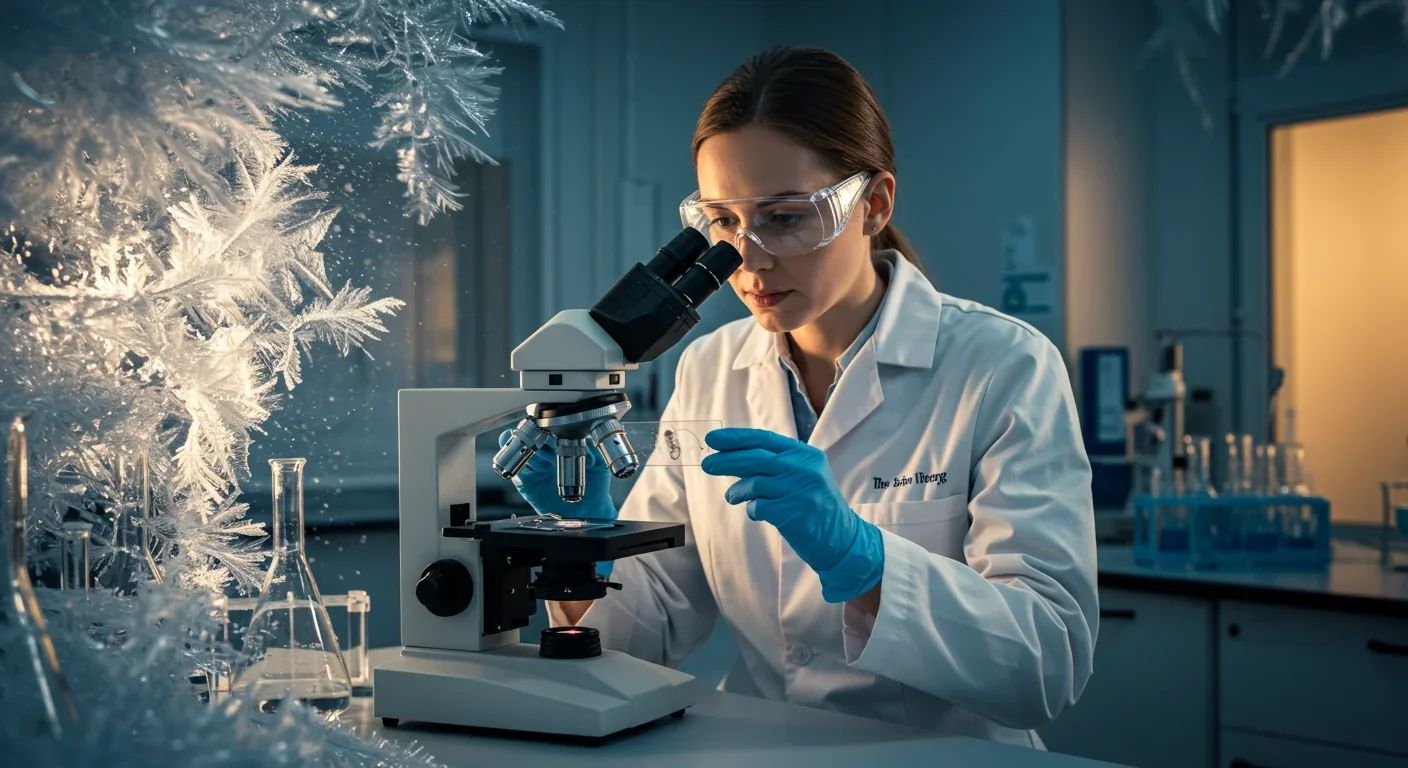
Physarum polycephalum, a brainless single-celled slime mold, can solve mazes, recreate Tokyo's rail network, and optimize complex problems using only chemical signaling and fluid dynamics. Scientists are now harnessing its emergent intelligence to revolutionize urban planning, robotics, computing, and even map dark matter across the universe. This ancient organism challenges our understanding of intelligence and opens extraordinary possibilities for bio-inspired technology - but also raises pro...

Do Animals Know They Exist? The Science of Self-Awareness

Do Animals Know They Exist? The Science of Self-Awareness

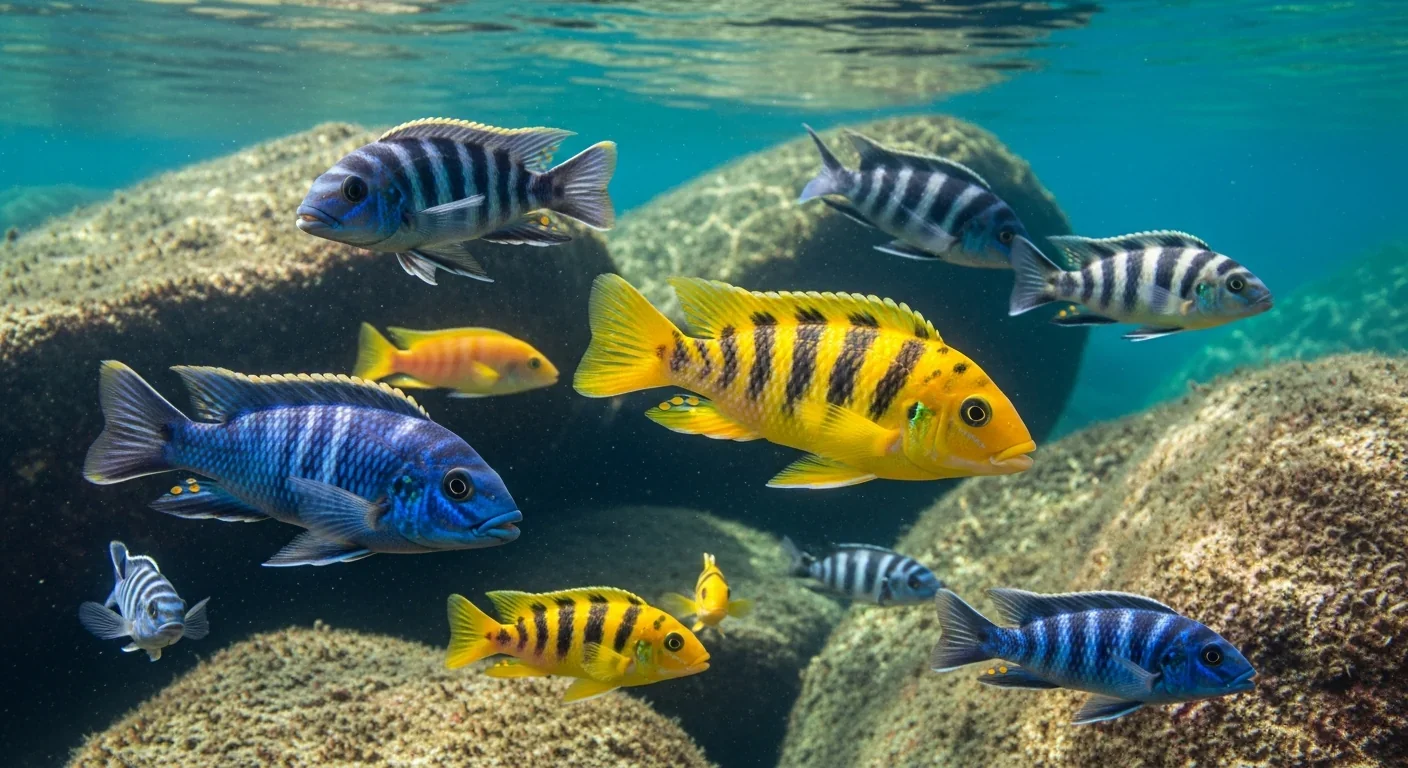
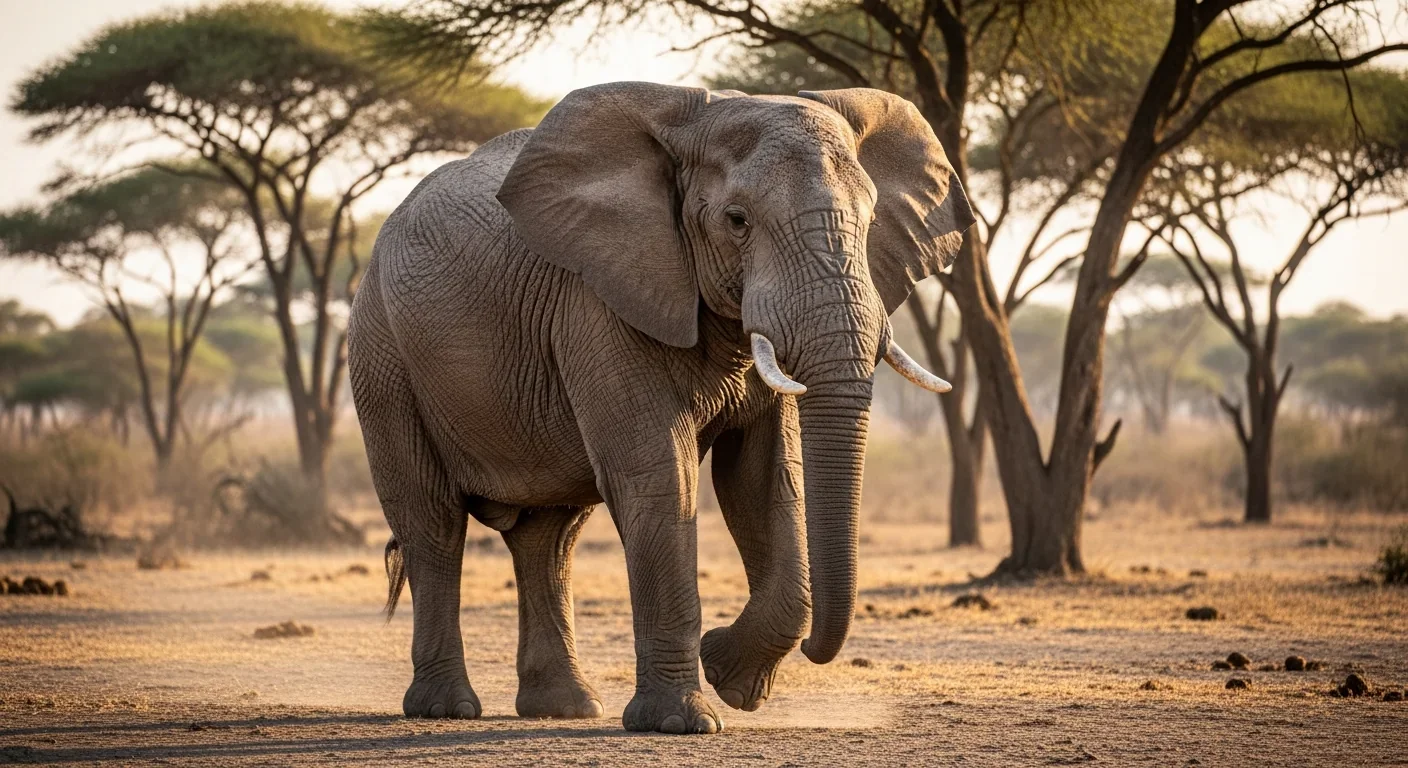
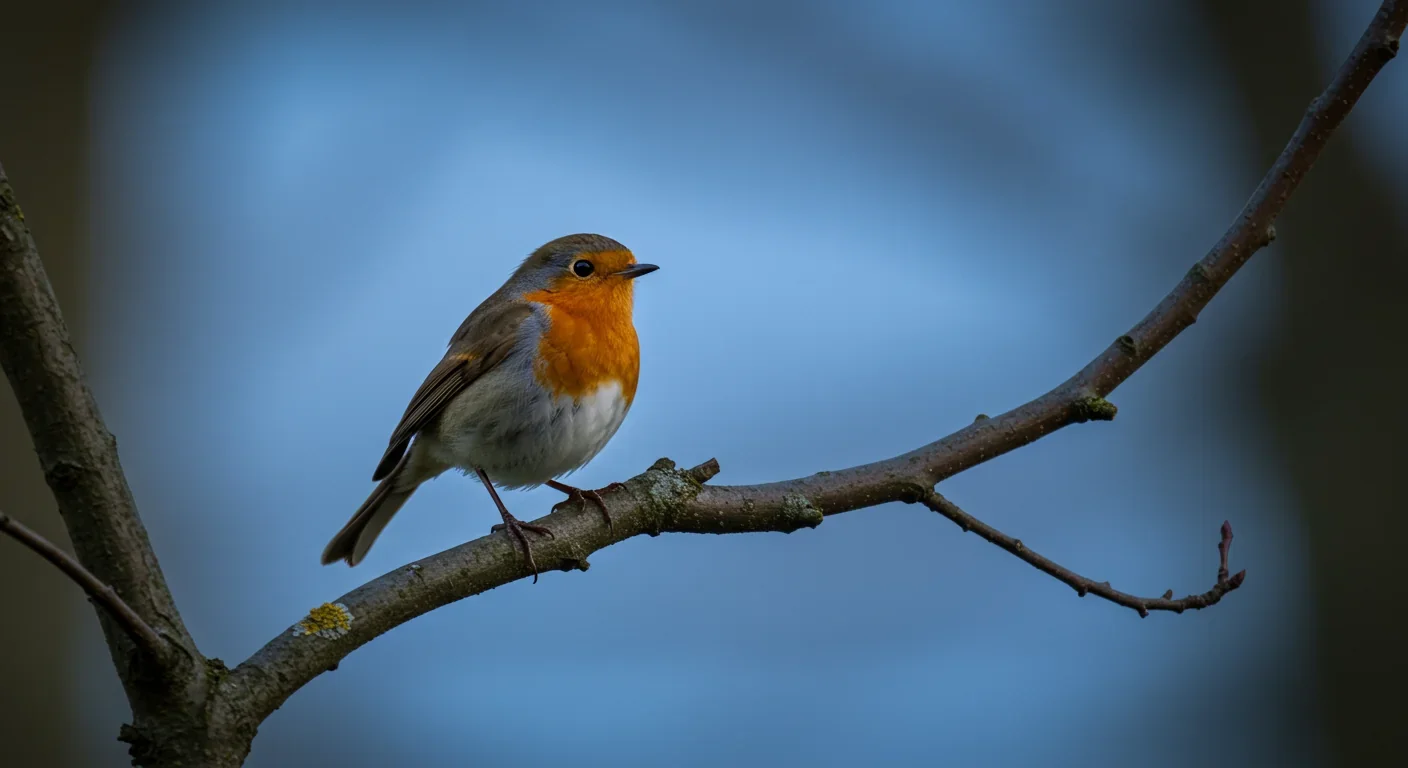
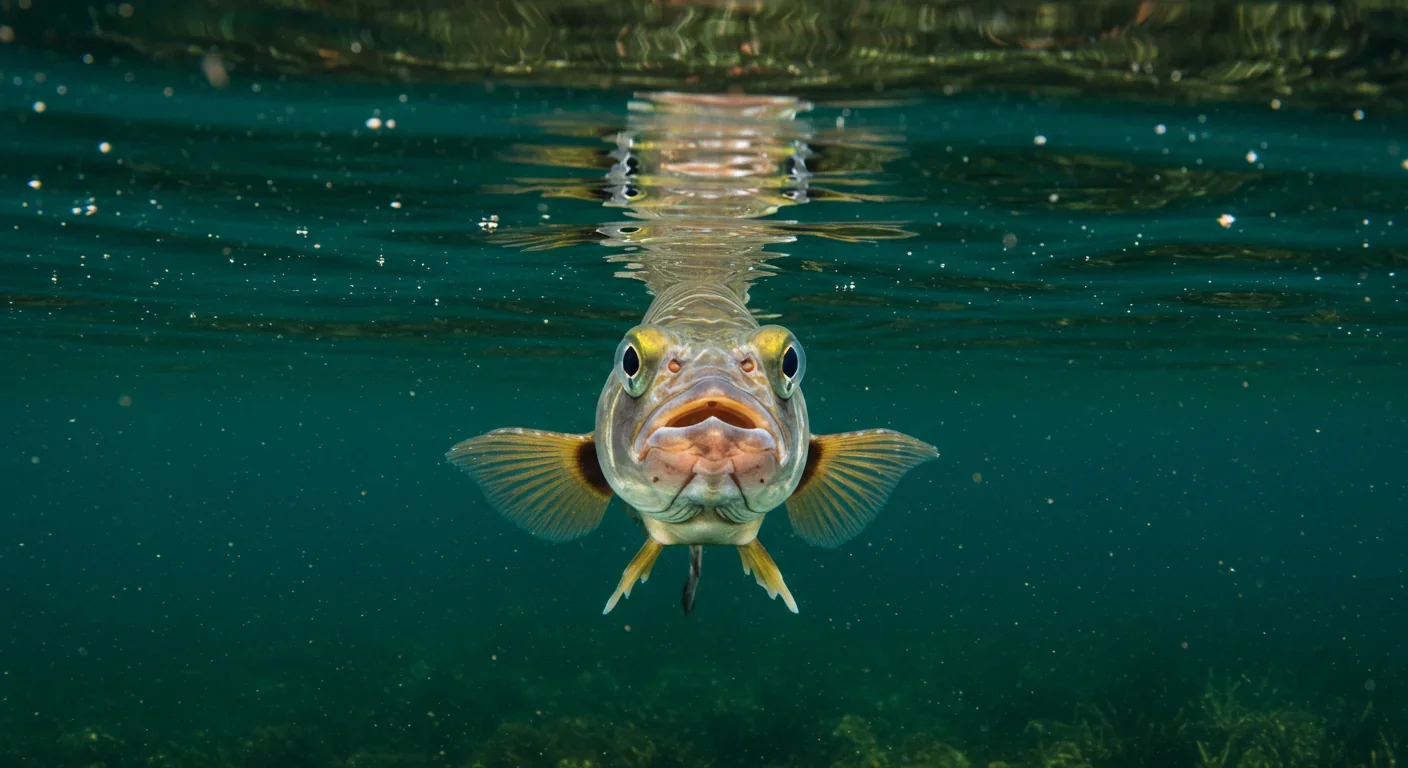
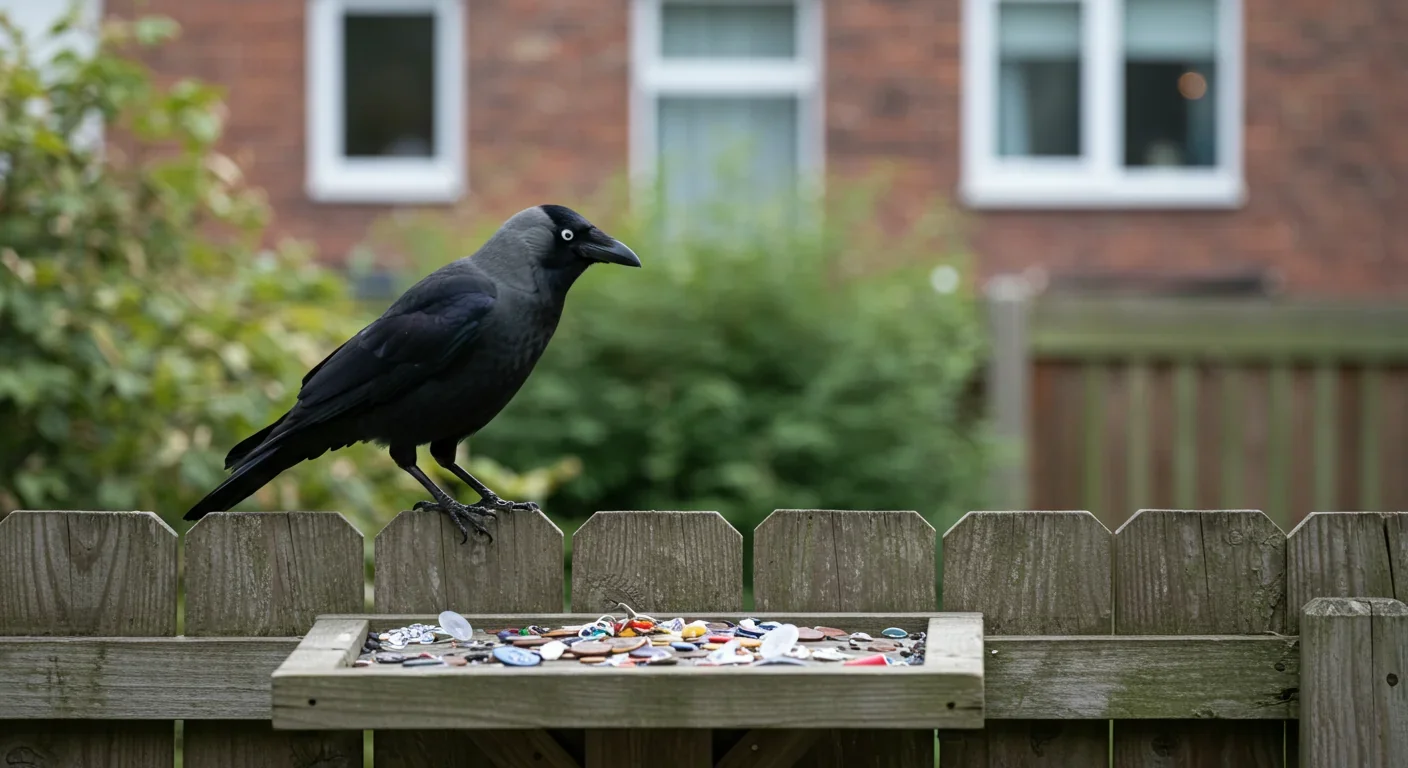
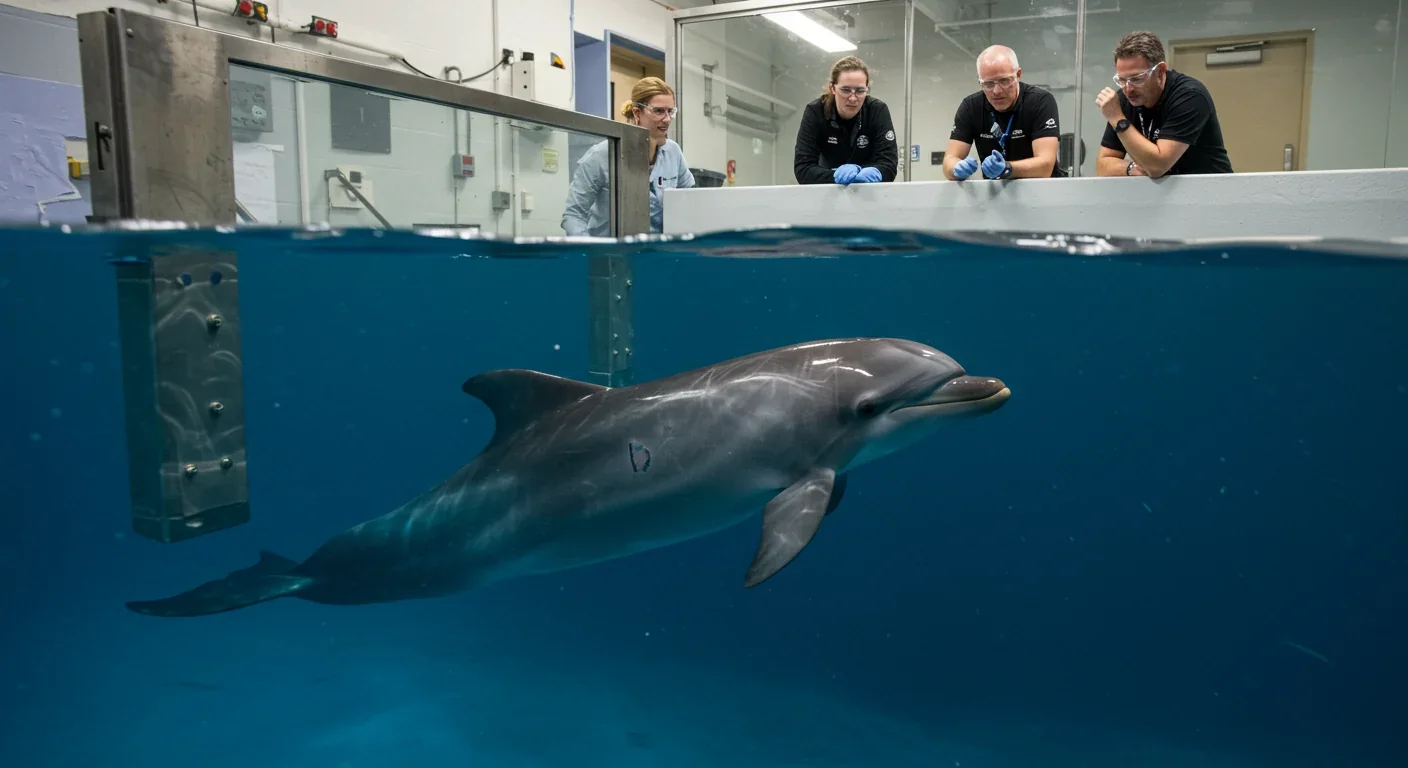
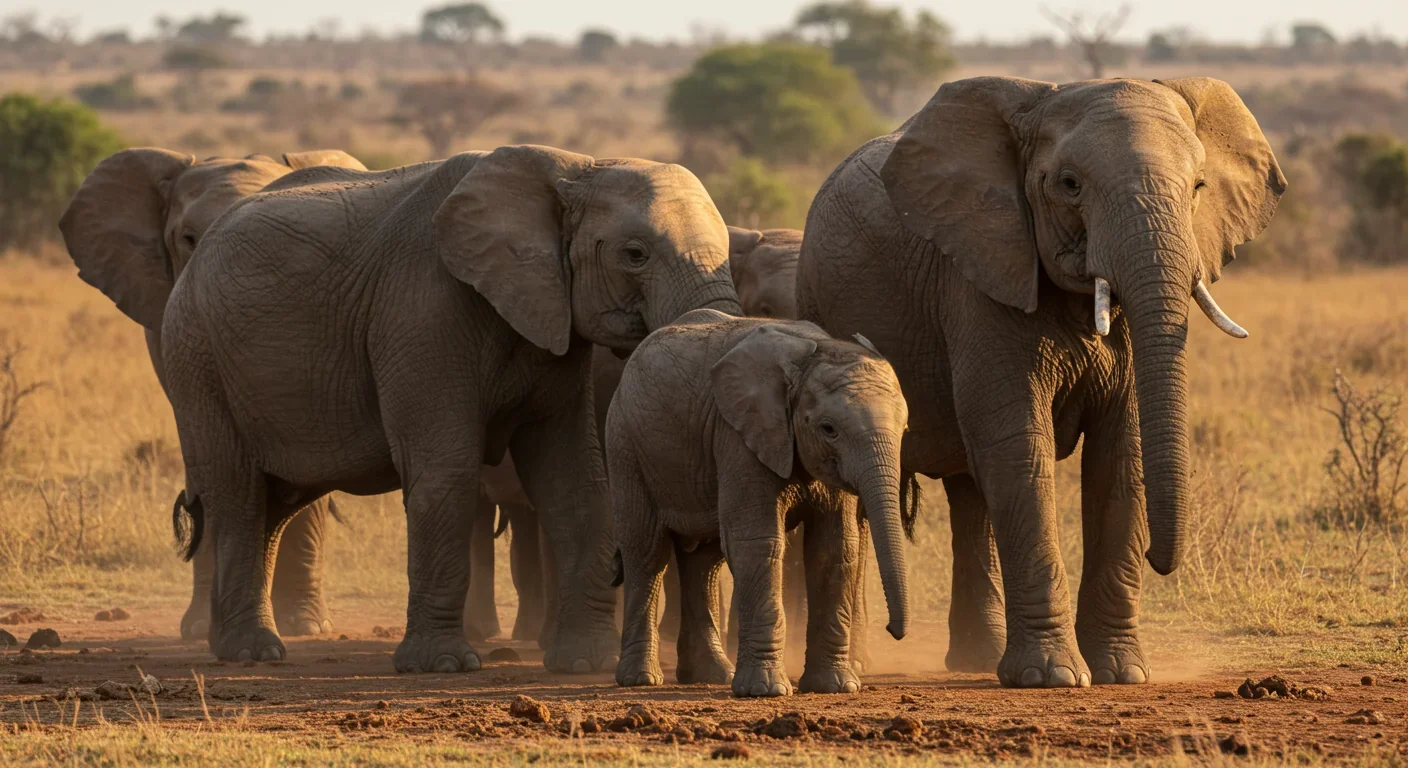
Recent research has revealed that self-awareness - once thought uniquely human - exists across species from dolphins and elephants to magpies and even fish. Scientists use the mirror test and species-appropriate alternatives to detect self-recognition, uncovering inner lives far richer than previously imagined. These findings are transforming animal welfare laws, conservation strategies, and ethical debates about farming and captivity, forcing humanity to confront uncomfortable questions about ho...

Symbiotic Partnerships: How Tiny Organisms Power Ecosystems

Symbiotic Partnerships: How Tiny Organisms Power Ecosystems

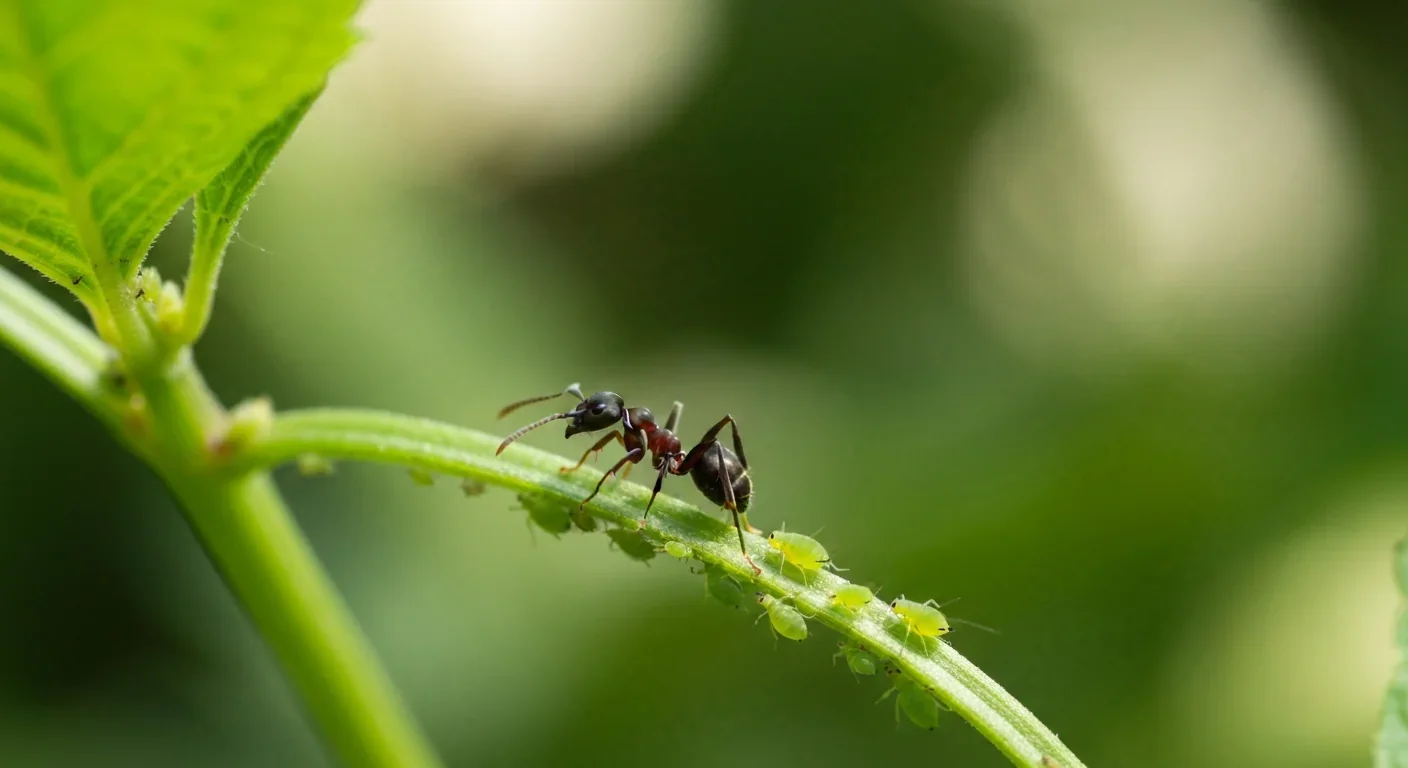
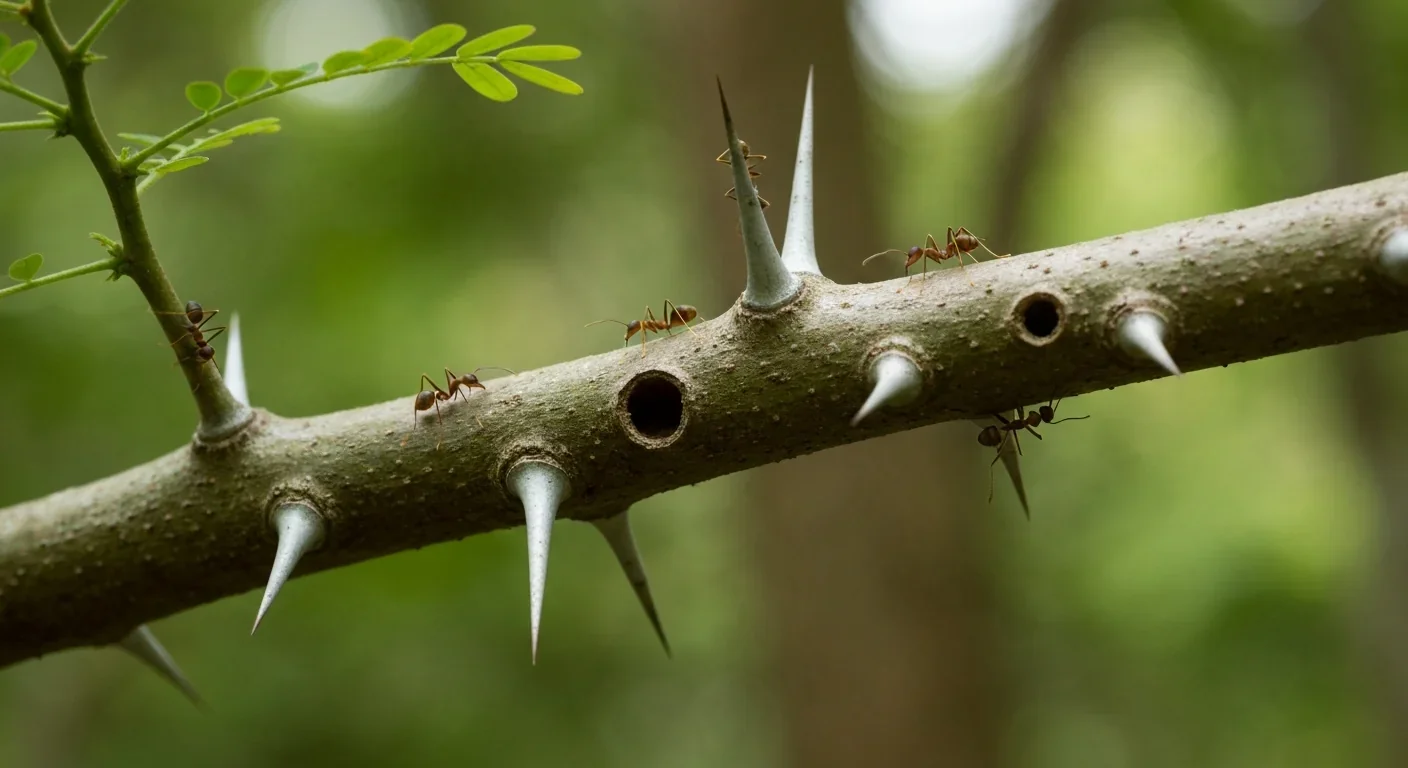
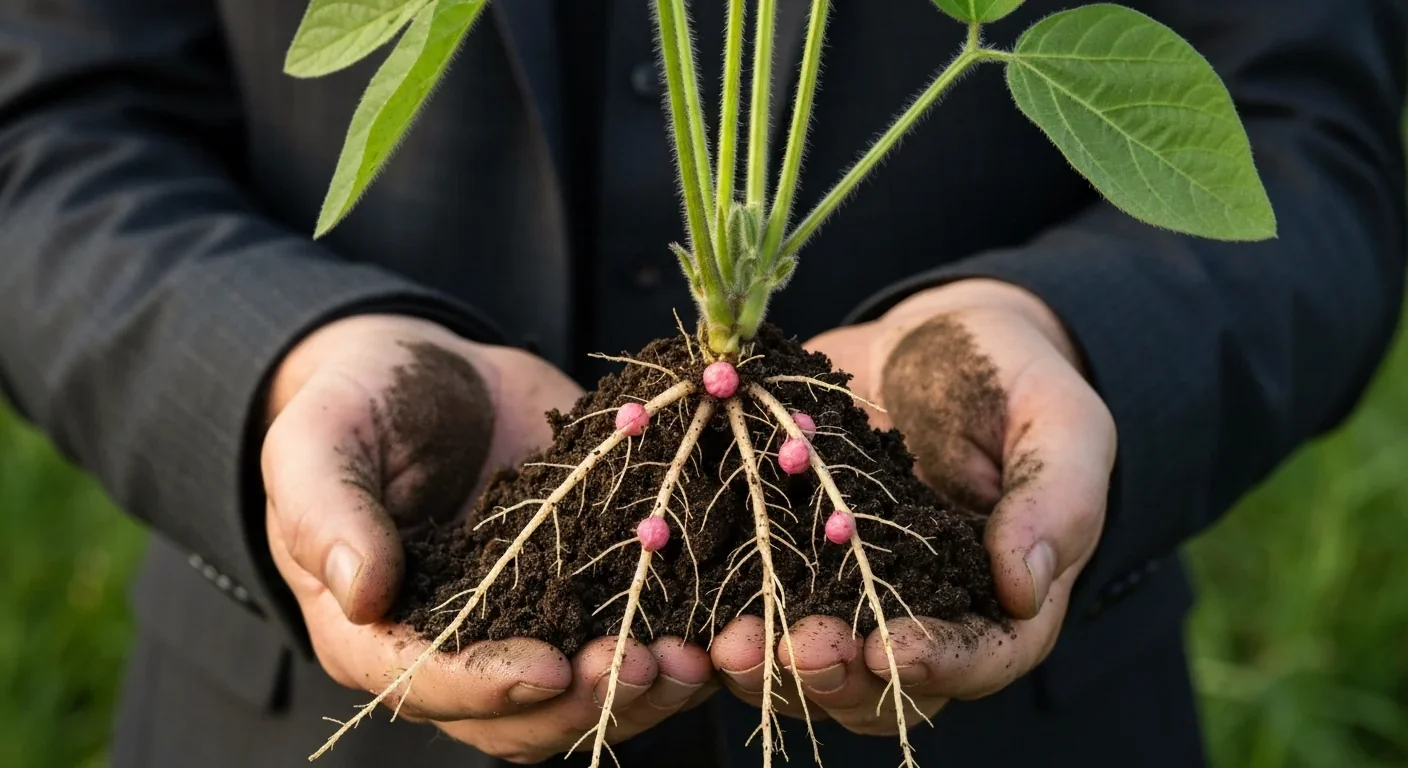
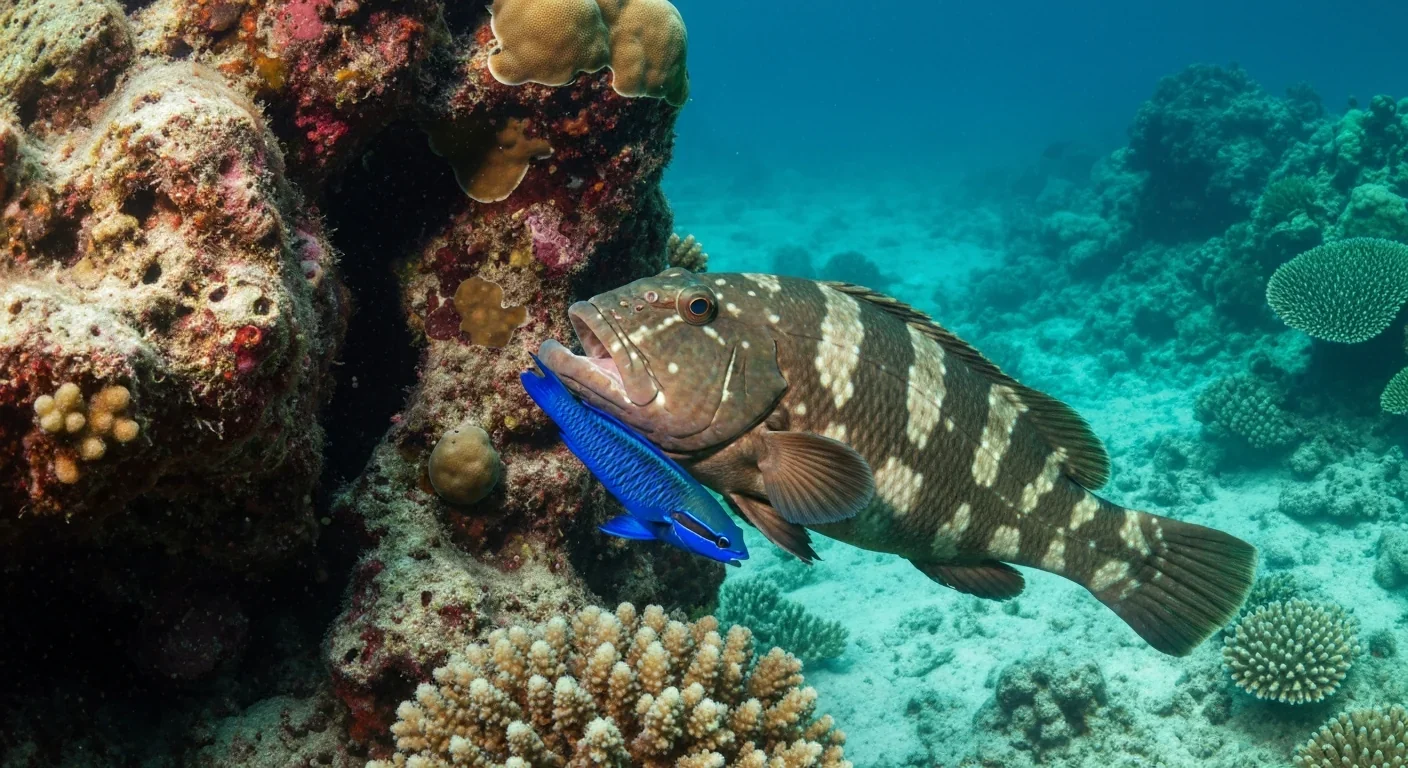
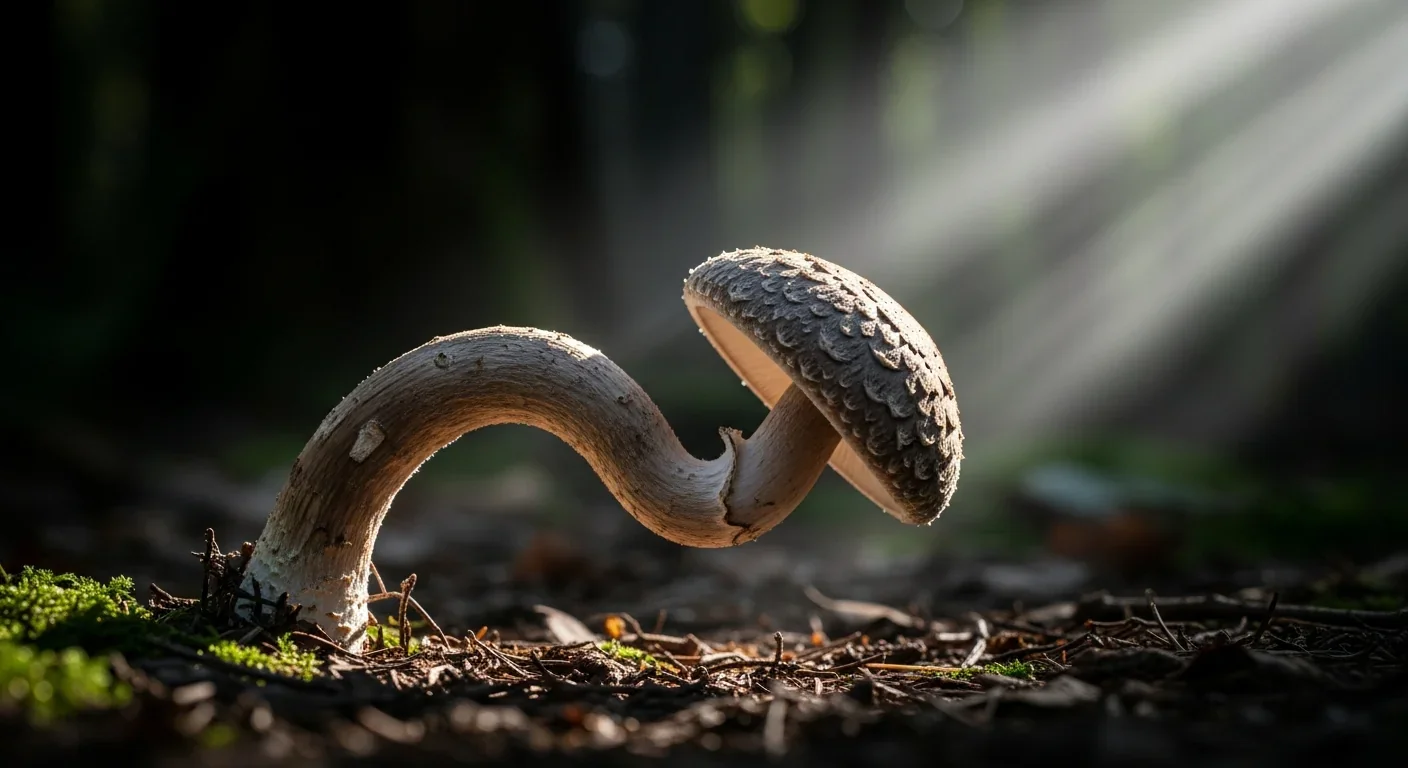
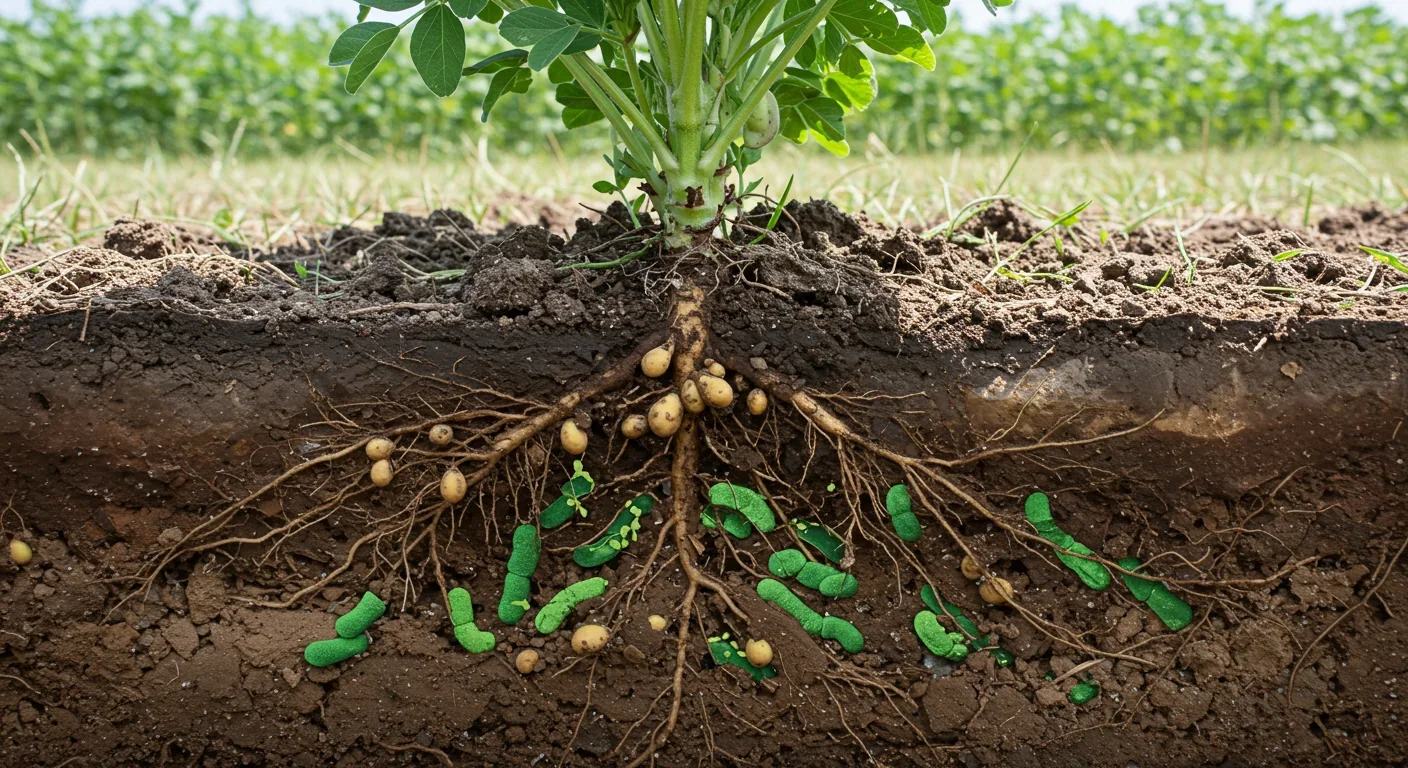
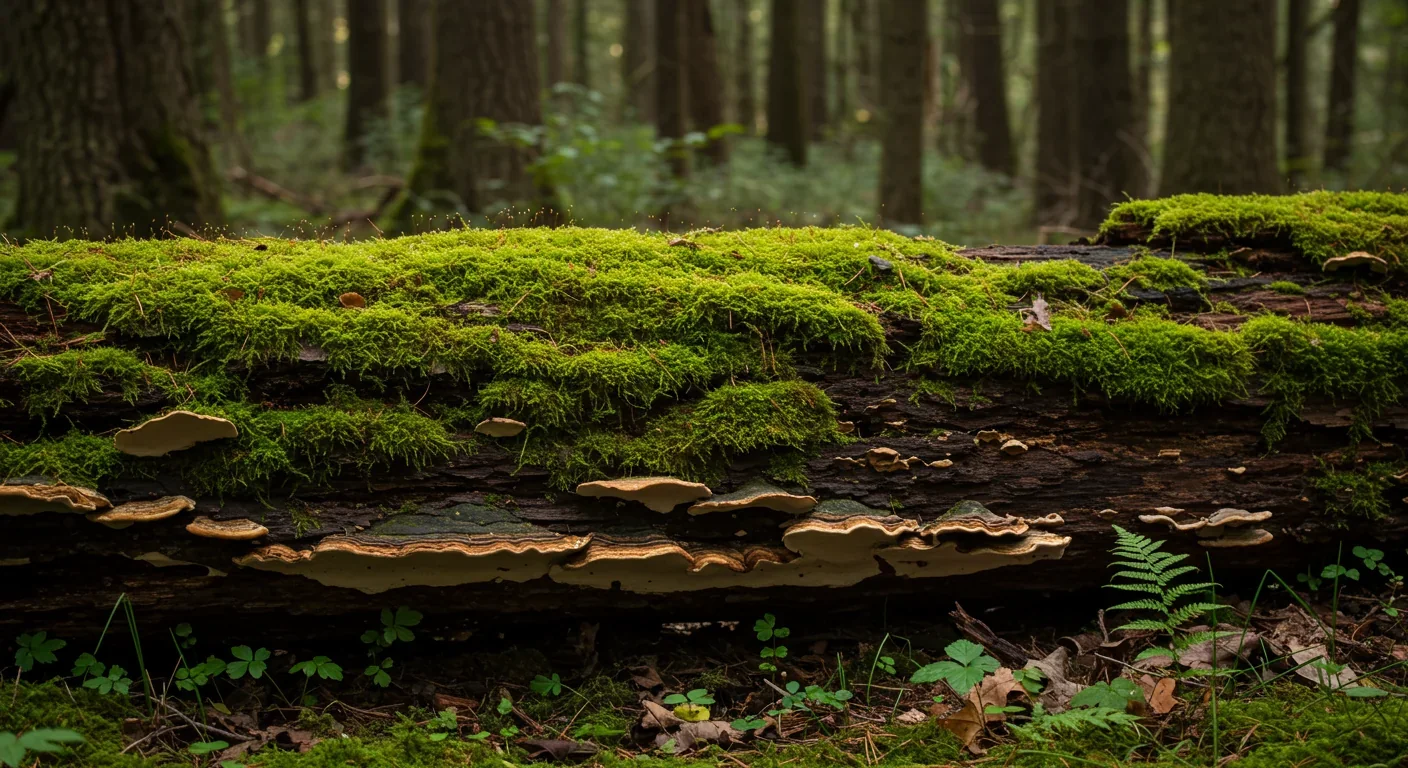
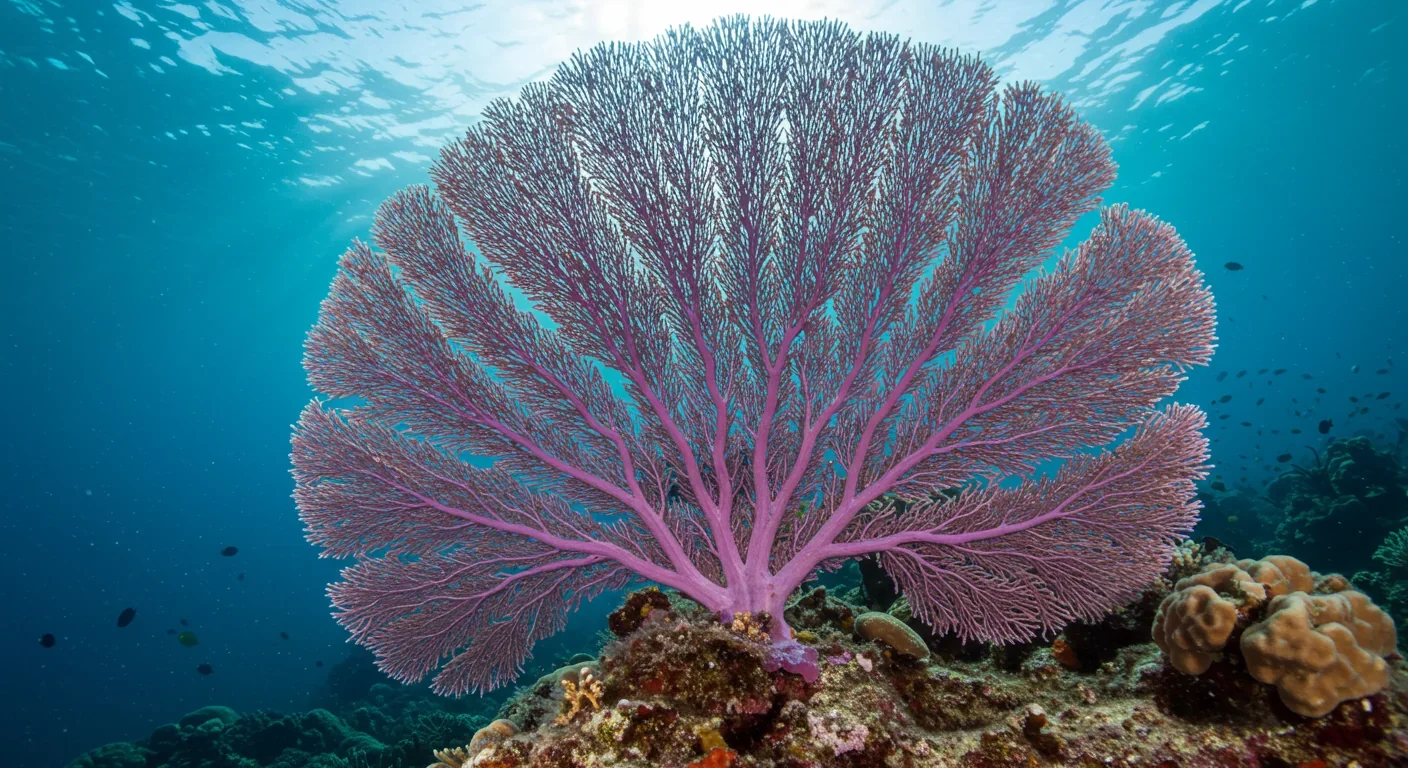
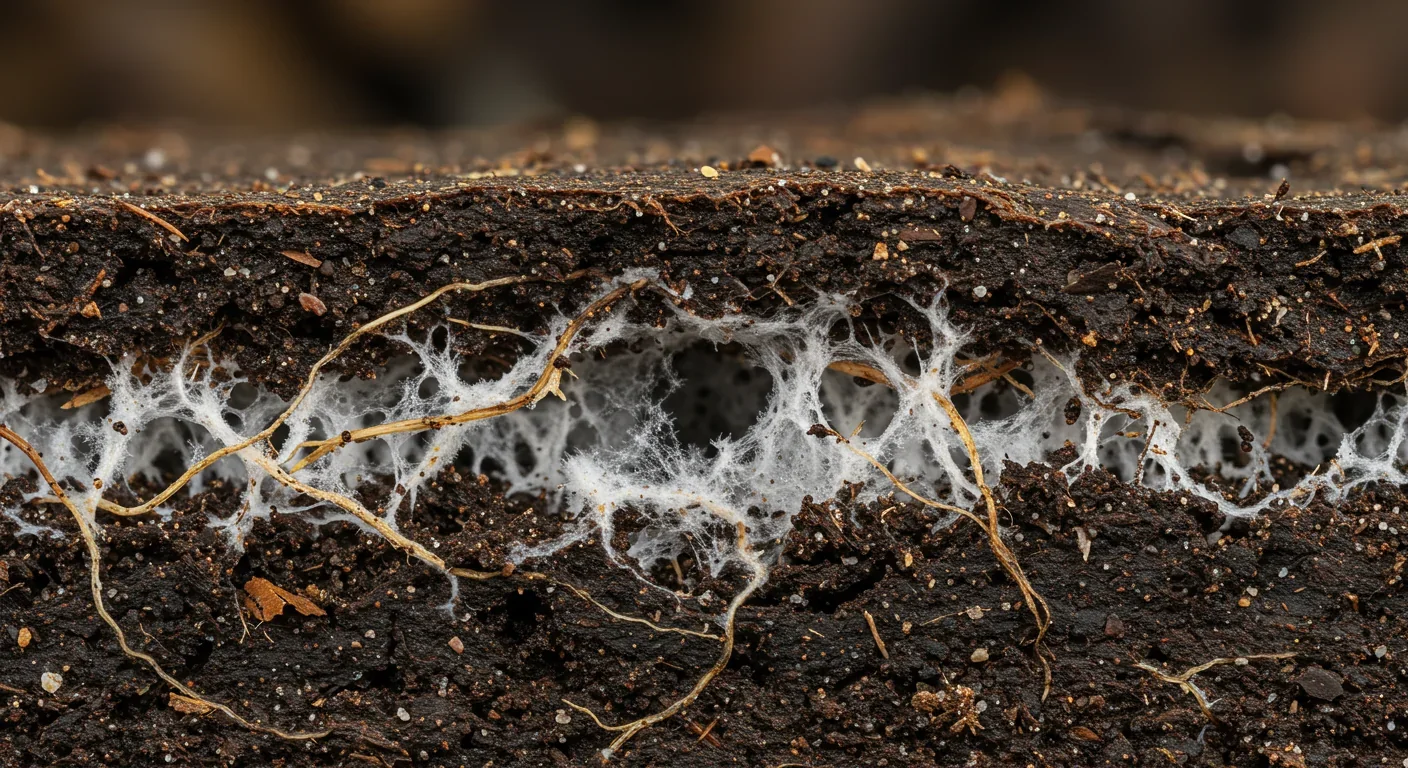
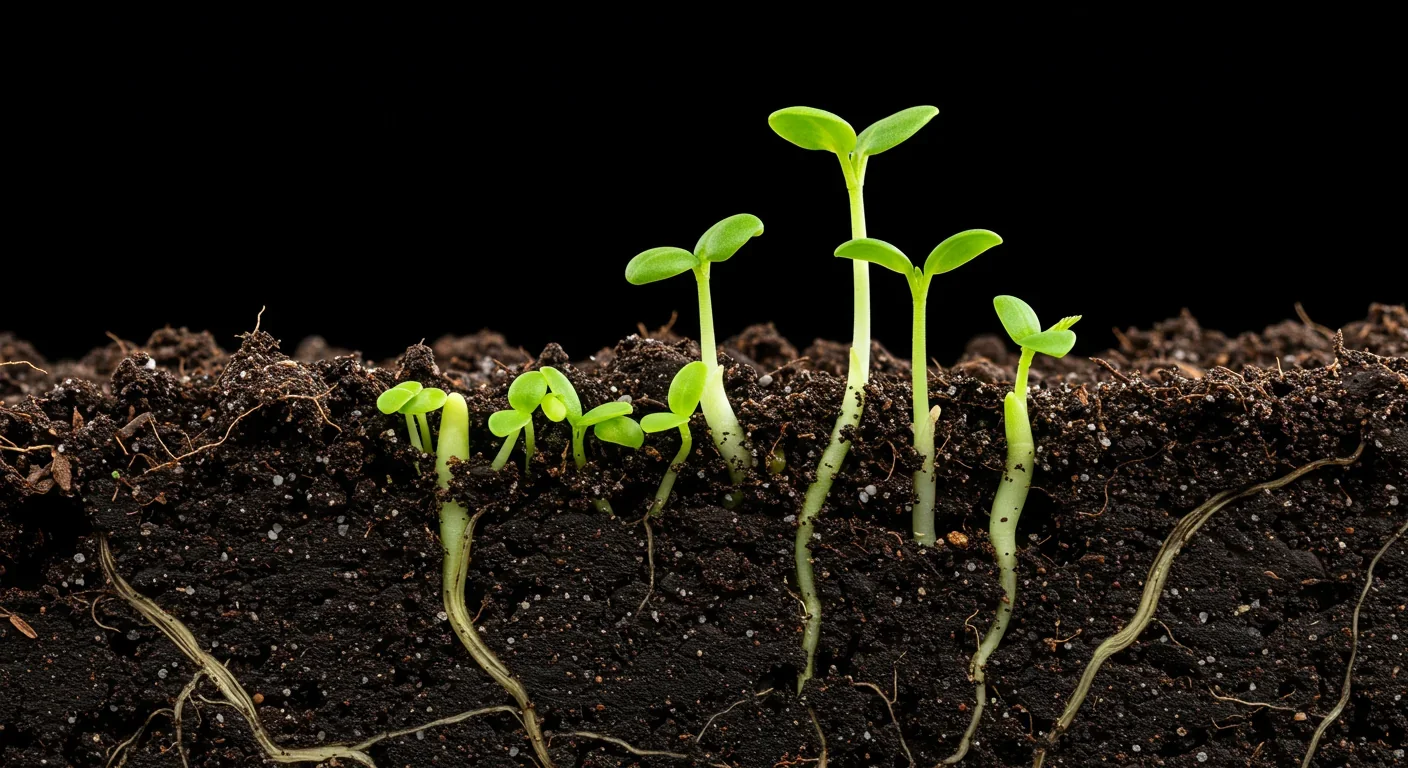
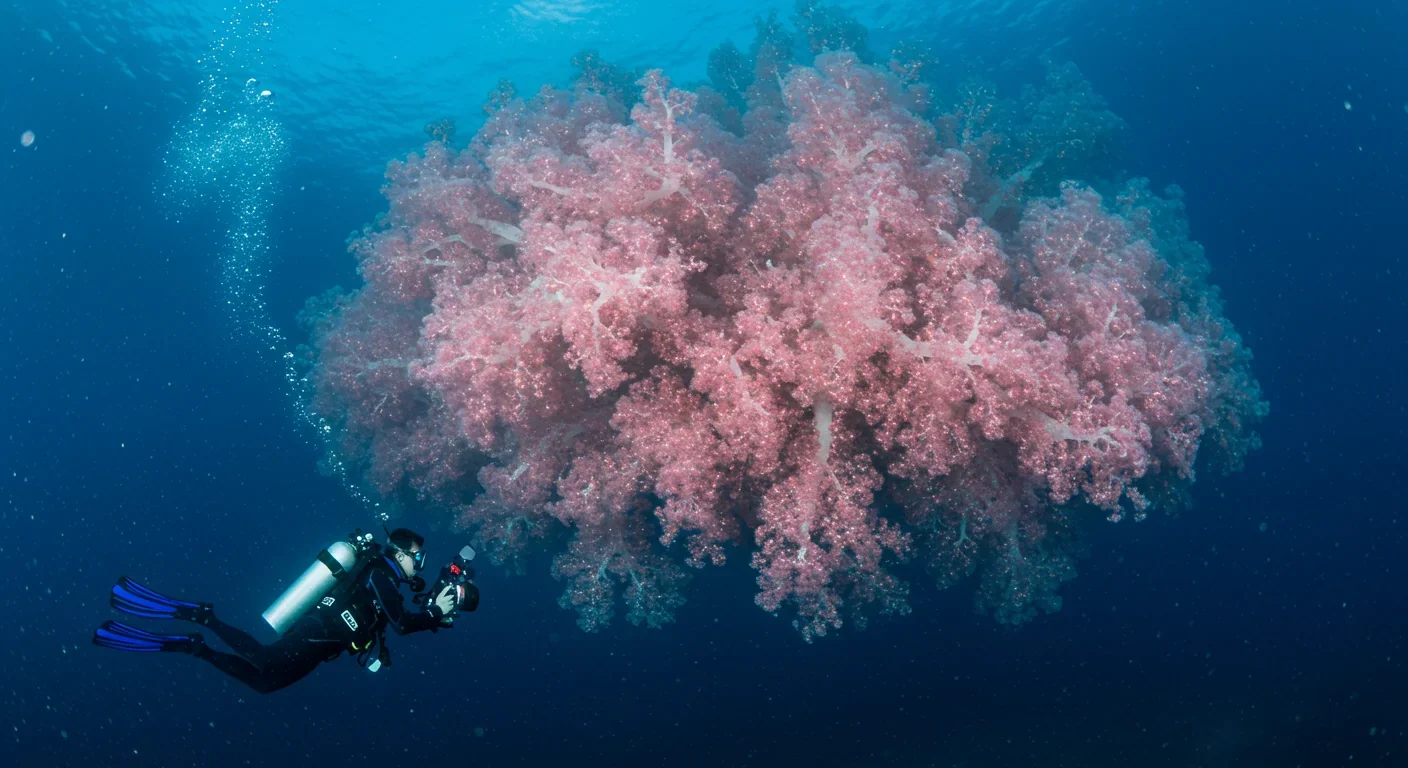
Beneath our feet, microscopic partnerships between fungi, bacteria, and their hosts sustain all ecosystems - from forests connected by fungal internet cables to coral reefs worth $2.7 trillion annually. These ancient symbioses fix nitrogen, cycle nutrients, and enable life itself, yet climate change and human activity are disrupting them at catastrophic scales. The good news: innovative restoration techniques, dual-inoculation farming strategies, and new conservation frameworks offer pathways t...