Carnivorous Plant Farms Bat Poop Instead of Eating
TL;DR: The Hawaiian bobtail squid farms bioluminescent bacteria in a specialized light organ to erase its shadow in moonlit waters. This partnership, where bacteria reshape the squid's body and communicate through quorum sensing, is teaching scientists how host-microbe relationships work and inspiring new medical and biotech applications.
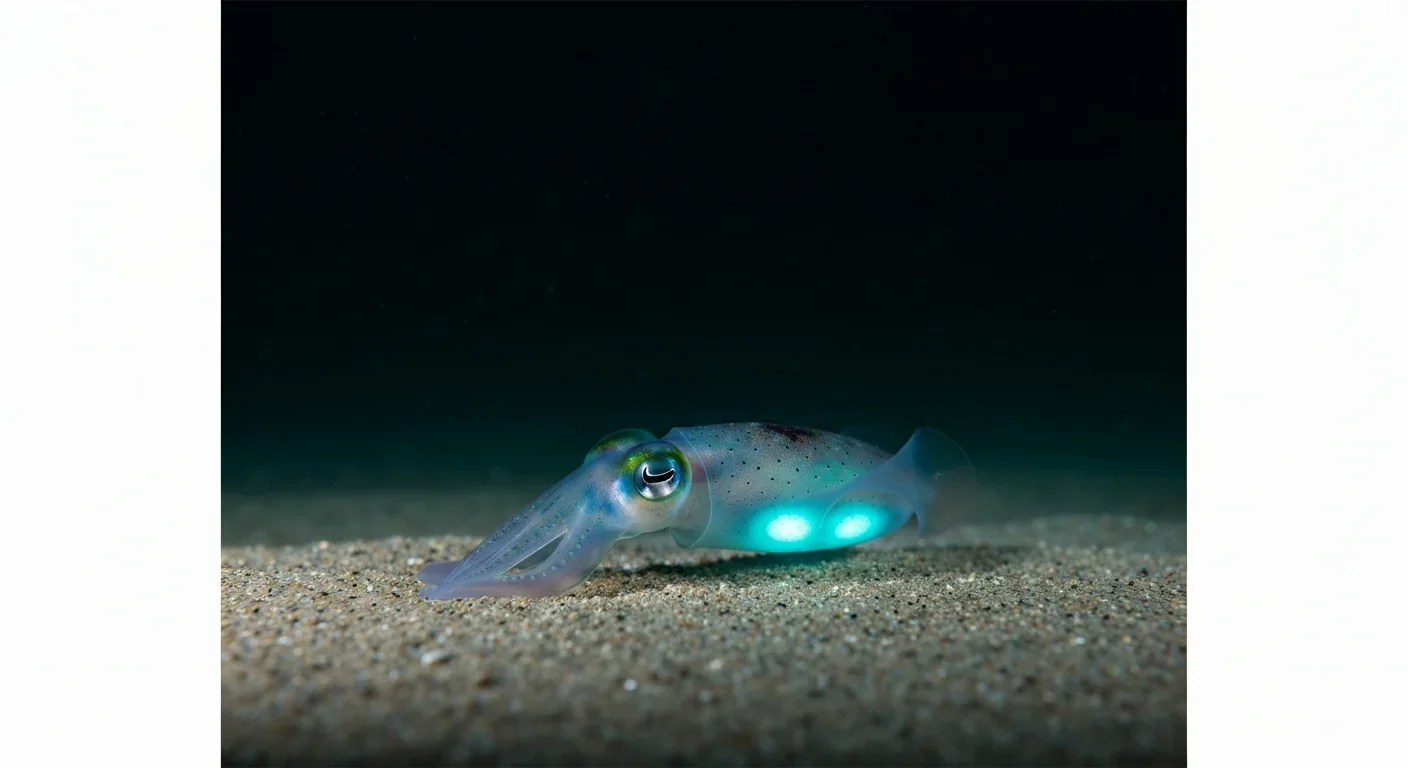
Imagine an animal so sophisticated that it runs its own bacterial farm, not for food, but for invisibility. Every night in the shallow waters off Hawaii, a squid no bigger than your thumb performs one of biology's most remarkable vanishing acts. The Hawaiian bobtail squid cultivates colonies of glowing bacteria inside a custom-built organ, then uses their light to erase its own shadow from the moonlit ocean. It's not magic. It's something far more interesting: a partnership tens of millions of years in the making that's forcing scientists to rethink where one organism ends and another begins. And the implications reach well beyond the seafloor, touching medicine, synthetic biology, and our understanding of what it means to be a living thing.
The Hawaiian bobtail squid (Euprymna scolopes) doesn't produce its own light. Instead, it outsources the job to a single species of marine bacterium called Aliivibrio fischeri. These microbes colonize a specialized ventral light organ inside the squid's mantle cavity within 12 to 15 hours of hatching. The result is a biological flashlight the squid controls with the precision of a dimmer switch.
What makes this partnership extraordinary isn't just that it works. It's the engineering. The light organ is an optical masterpiece. At its dorsal surface sits a reflector that directs bacterial glow downward. Below that, epithelial crypts house the bacteria themselves. A lens, biochemically similar to the squid's own eye, diffuses the light evenly across the ventral surface. Adjustable filters tune the emitted wavelength to approximately 490 nanometers, matching the blue-green hue of downwelling moonlight in Hawaiian coastal waters. An iris-like structure lets the squid modulate brightness in real time, tracking changes in ambient light as clouds pass overhead.
The strategy is called counter-illumination. By projecting light downward that matches ambient moonlight hitting its mantle from above, the squid eliminates the dark silhouette that would otherwise betray it to predators lurking below. Research on midshipman fish using a similar technique showed a 50% reduction in predation, suggesting the survival advantage is enormous. For an animal that hunts shrimp along the sandy bottom at night, this bacterial cloak of invisibility is the difference between eating and being eaten.
The squid's light organ contains a reflector, a lens, adjustable filters, and an iris, all tuned to match the exact wavelength and intensity of moonlight. It's one of the most precisely engineered optical systems found anywhere in the animal kingdom.
The squid-Vibrio system wasn't always famous. For most of the twentieth century, microbiology treated bacteria almost exclusively as disease agents, things to be killed. The notion that animals might depend on bacterial partners for essential body functions was considered fringe thinking.
That changed largely through the work of two scientists: Margaret McFall-Ngai and Edward Ruby. Beginning in the late 1980s at the University of Hawaii, they chose the Hawaiian bobtail squid as a model organism because it offered something rare in biology: a natural symbiosis between just two partners, one host and one bacterial species, that could be studied in the lab with extraordinary precision.
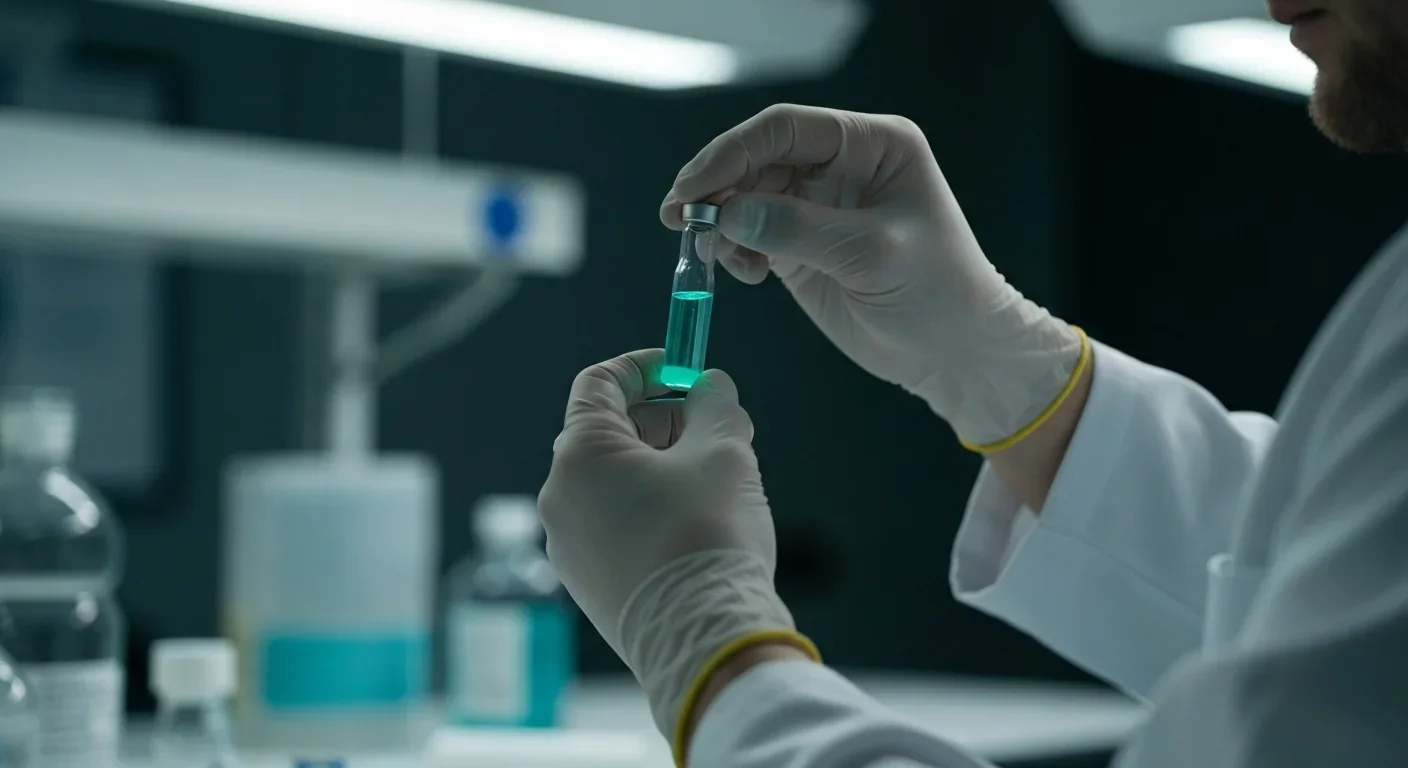
Their early experiments produced startling results. Squid raised without bacteria in germ-free conditions developed stunted light organs that never functioned properly. The bacteria weren't optional passengers. They were co-architects of the squid's own body. This finding arrived decades before the human microbiome revolution hit mainstream science, but it carried the same radical implication: animals don't develop normally without their microbial partners.
The field expanded fast. By the early 2000s, researchers had mapped the colonization process in granular detail. They discovered that hatchling squid ventilate about 2.6 milliliters of seawater per second through their mantle cavities, an enormous volume for such a tiny animal. Despite this, the ambient concentration of A. fischeri is so low that typically just a single bacterial cell enters each crypt of the light organ. The fact that these vanishingly rare encounters reliably produce a fully colonized, functional organ speaks to the astonishing precision of the recruitment machinery.
The Hawaiian bobtail squid became what Drosophila is to genetics or E. coli to molecular biology: a model organism whose simplicity reveals universal principles about how life coordinates across species boundaries.
The squid doesn't passively wait for the right bacteria to wander in. It actively recruits them through a sophisticated molecular selection system that works like a biological security checkpoint.
The light organ's surface secretes mucus packed with specific glycan molecules that act as molecular "welcome mats" for A. fischeri. These glycans create chemical gradients that pull the target species toward the organ. A. fischeri, for its part, produces chitinase enzymes that break down the squid's chitin into N-acetylglucosamine (GlcNAc), a molecule that serves double duty as both a nutrient and a chemoattractant reinforcing the recruitment signal.
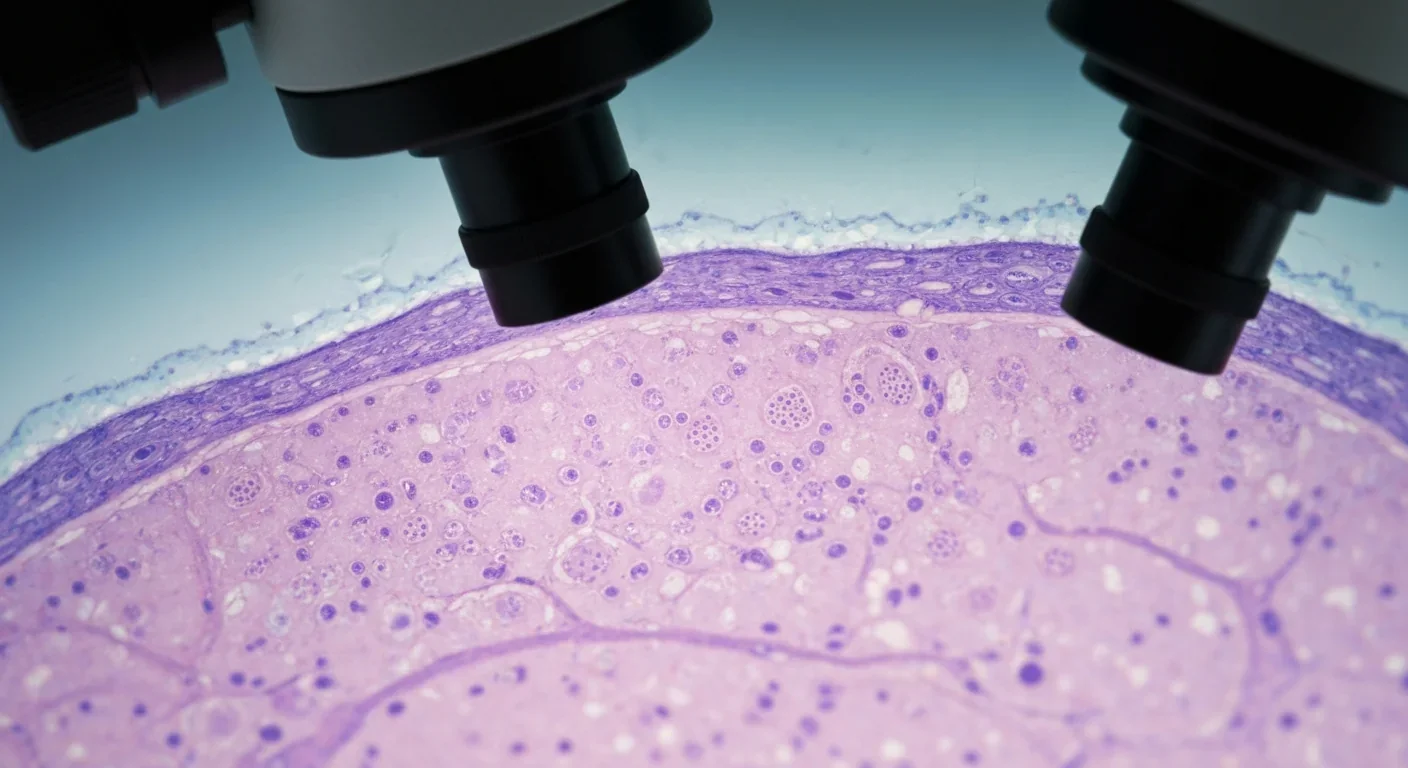
But chemical attraction alone isn't enough. The squid also runs an elimination gauntlet. The light organ secretes halide peroxidase, an antimicrobial enzyme that kills most bacteria on contact. A. fischeri survives because it carries a periplasmic catalase that intercepts hydrogen peroxide before the squid's weapon can use it. This biochemical arms race ensures only the correct species can navigate the maze of pores, ducts, an antechamber, and a narrow bottleneck that allows just a single bacterium to squeeze into each crypt.
"The squid knows that they're dark and spits them out."
— Michele Nishiguchi, Ph.D., on the squid's ability to detect and expel non-luminescent bacteria
Researchers recently discovered yet another layer of molecular diplomacy. Vibrio fischeri packages a small noncoding RNA called SsrA into outer membrane vesicles that are delivered directly into the squid's cells. This RNA dampens the squid's immune response in exactly the right location, suppressing antimicrobial activity that would otherwise destroy the arriving colonists. The bacteria negotiate their own safe passage by sending molecular cease-fire signals across the species boundary.
Once inside the crypts, A. fischeri doesn't start glowing right away. That would be wasteful. Instead, the bacteria use a communication system called quorum sensing to coordinate light production only when their population reaches a critical mass.
Each bacterium produces a signaling molecule called an autoinducer, specifically N-acyl homoserine lactone (AHL), through the LuxI enzyme. When population density is low, these molecules diffuse away harmlessly. But as bacteria multiply and crowd together inside the crypts, AHL accumulates. When it reaches a critical concentration, around 1011 cells per milliliter, AHL molecules bind to the LuxR protein inside each cell. The LuxR-AHL complex then activates the lux operon, triggering production of luciferase, the enzyme responsible for generating light.
The system is a biological vote. Below the threshold, individual bacteria stay dark. Once enough voters show up, the switch flips and the entire population illuminates simultaneously. It's a binary output generated from an analog input, an elegant solution that prevents wasted energy when cell numbers are too low for visible light.
This discovery mattered well beyond squid biology. The bobtail squid system was the first place scientists observed bacteria communicating with each other, establishing quorum sensing as a foundational concept in microbiology. That principle now informs research on antibiotic resistance, biofilm formation, and pathogen control across the globe.
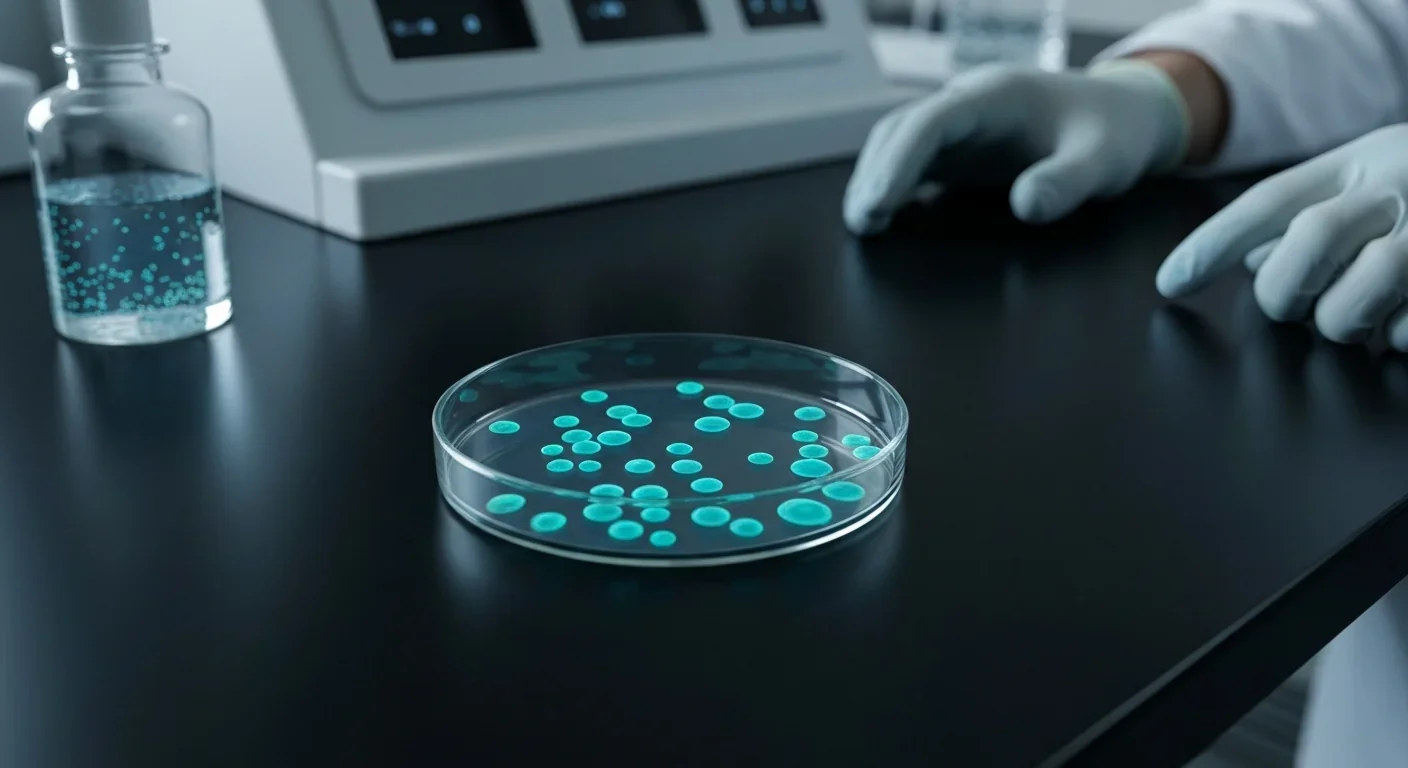
The Hawaiian bobtail squid's light organ gave us one of the most important discoveries in modern microbiology: that bacteria talk to each other. Quorum sensing, first observed in this system, is now a central concept in understanding antibiotic resistance, biofilms, and pathogen behavior.
Every morning at sunrise, the squid does something that sounds self-defeating: it expels 90 to 95% of its bacterial population in a rapid muscular contraction called venting. The remaining bacteria then spend the day dividing and multiplying, refilling the crypts to roughly one trillion cells by nightfall, precisely in time for the squid's nocturnal hunting.
Why destroy what took all night to build? Several pressures converge. Daylight makes counter-illumination unnecessary, so maintaining a trillion metabolically active bacteria wastes the sugar and amino acid solution the squid feeds them. The daily purge also resets the quorum-sensing cycle, preventing runaway growth that could overwhelm the organ. And it functions as population-level quality control, preventing any single bacterial clone from dominating the community and potentially evolving away from cooperation.
The expelled bacteria don't die. They survive in the open ocean and can colonize other squid, seeding the environment with the symbiont and maintaining the A. fischeri population across the Hawaiian ecosystem. Each morning, the squid broadcasts its partner into the sea for the next generation of hatchlings to find.
Perhaps the most striking revelation from this research is that the bacteria physically reshape the squid's body. Colonization triggers irreversible morphological changes in the developing light organ. The superficial ciliated epithelial cells that initially helped recruit bacteria undergo programmed cell death through a process involving tracheal cytotoxin and the Crumbs protein. Once colonization succeeds, these recruitment structures are permanently dismantled, like scaffolding removed from a finished building.
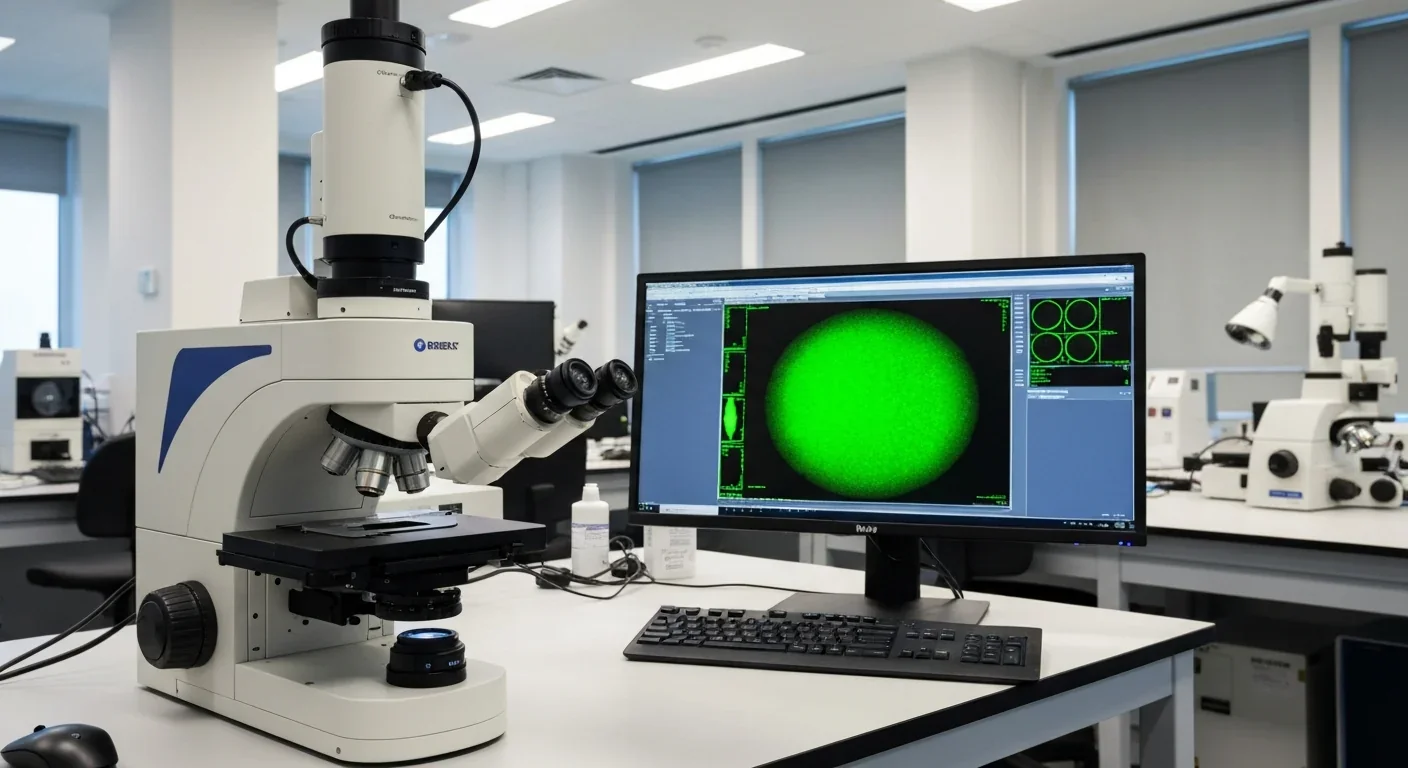
Recent research pinpointed a single bacterial protein responsible for much of this developmental reprogramming. SypC, carried in bacterial outer membrane vesicles, enters squid cells and directly triggers light organ morphogenesis. When researchers tested bacteria lacking SypC, organ development stalled and 138 host genes showed altered expression. Fluorescent tagging revealed SypC traveling to the exact tissue site where the light organ develops, functioning as a bacterial blueprint for the squid's construction program.
"This was very surprising, but given that the work we do with this symbiosis model is always pioneering, just about every new finding is a surprise!"
— Jill Kuwabara Smith, lead researcher on the SypC discovery
The squid has partially outsourced its own developmental instructions to a bacterial gene product, a textbook case of what evolutionary biologists call an extended phenotype. A single protein from a microbe can determine whether or not a host animal's organ develops properly. That's a finding with profound implications for how we think about animal biology.
The Hawaiian bobtail squid is the star of this research field, but it's far from alone. Related bobtail species across the Pacific and Mediterranean maintain similar luminous symbioses. Research on Sepiola affinis from the Mediterranean Sea revealed that its light organ contains twelve crypts, twice the number found in E. scolopes, and harbors two entirely new Vibrio species rather than a single symbiont. This architectural diversity suggests these partnerships have evolved independently multiple times across cephalopod lineages.
The hummingbird bobtail squid (Euprymna berryi) has emerged as a powerful complementary model organism. Unlike E. scolopes, it can be bred across multiple laboratory generations and successfully modified using CRISPR gene editing, opening the door for functional genetic experiments that were previously impossible in cephalopod research.
McFall-Ngai articulated the ambition driving all this comparative work: "The goal of our research is to discover those features of symbiosis that are evolutionarily conserved, from less complex animals through humans." If a squid and a bacterium can develop shared molecular languages over millions of years of co-evolution, the same principles almost certainly govern partnerships in the human gut, lungs, and skin.
Active research programs in Japan, Australia, France, and the United States now study cephalopod symbioses, reflecting a growing international recognition that these ocean systems aren't biological curiosities but windows into how all multi-species organisms function at the molecular level.
The squid-Vibrio partnership has already produced practical applications. The Microtox toxicity testing system uses A. fischeri's bioluminescence to detect chemical contaminants in water supplies worldwide. Because bacterial light output drops in the presence of toxins, the system acts as a living environmental sensor, simpler and cheaper than traditional chemical analysis.
The quorum-sensing machinery has become a template for disrupting harmful biofilms in clinical settings. If researchers can jam the communication signals that pathogenic bacteria use to coordinate behavior, they could potentially prevent infections without traditional antibiotics, a crucial goal as drug resistance accelerates globally.
Synthetic biologists have embraced the LuxI/LuxR quorum-sensing circuit as one of their most versatile genetic modules, deploying it in biosensors, programmable gene networks, and experimental therapeutic systems. The squid's bacterial recruitment mechanism also inspires designs for engineered tissues that can selectively attract and house beneficial microbes.
The Hawaiian bobtail squid's story is ultimately about something much bigger than one animal and one bacterium. It's a proof of concept that complex organisms are never truly solo acts. Every human carries trillions of microbial cells, and mounting evidence shows that many of our organs, immune responses, and even behaviors depend on microbial signals in ways that parallel the squid's dependence on A. fischeri.
Understanding how a thumbnail-sized cephalopod manages its bacterial farm with such precision, recruiting exactly the right partner, regulating its population on a daily cycle, and even letting it rewrite host developmental code, gives researchers a blueprint for designing smarter probiotics, better biosensors, and new therapeutic approaches to diseases rooted in microbial imbalance.
The next time you see moonlight reflected on water, consider what's happening just beneath the surface. Somewhere in the shallows off Hawaii, a tiny squid is farming bacteria, matching the moonlight with a living lantern, and vanishing into the dark. It has been perfecting this trick across geological time. We're only beginning to decode its secrets, and what we learn may change how we think about our own bodies forever.

Project Orion was a real 1960s program to reach other stars by detonating 800 nuclear bombs behind a spacecraft. The physics worked and the engineering was feasible, but the 1963 nuclear test ban treaty killed it. It remains the most credible interstellar spacecraft ever designed.
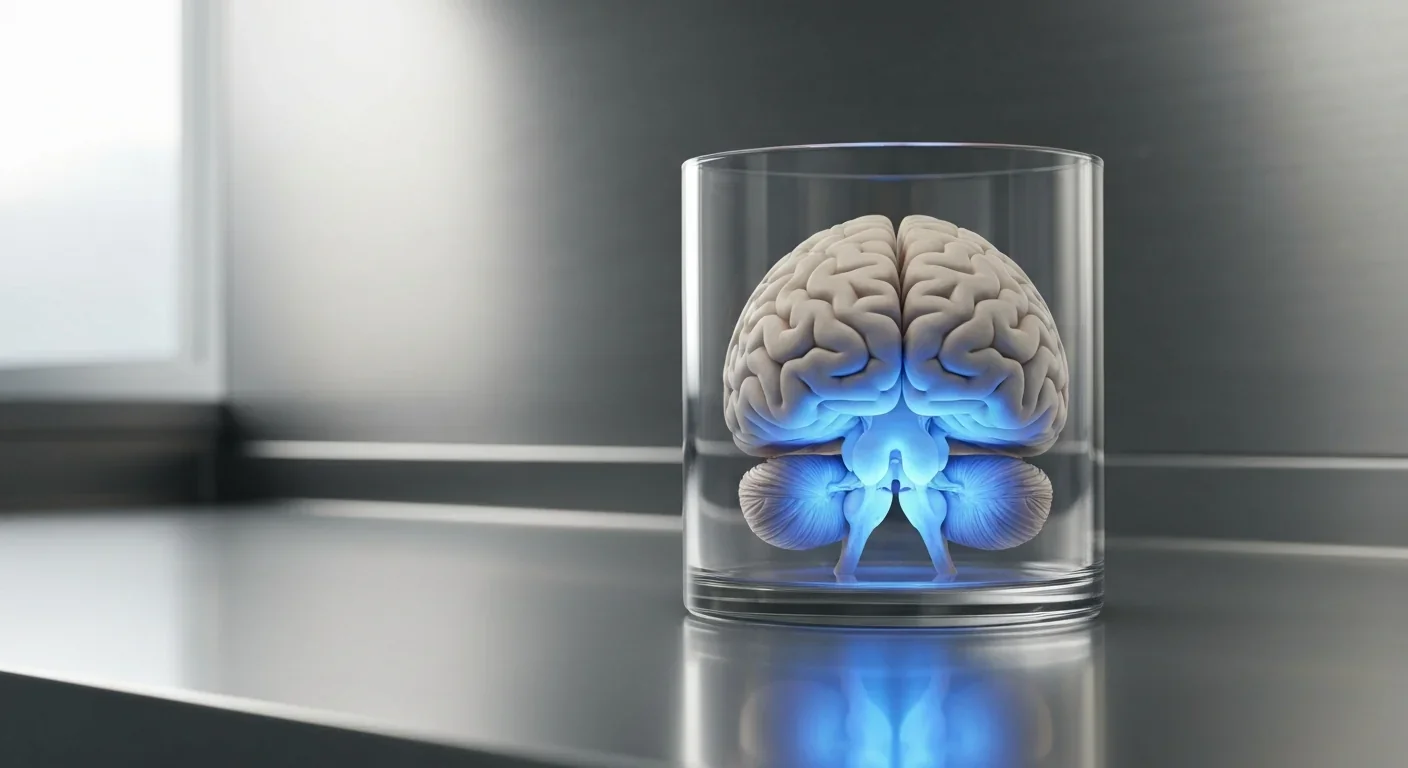
The locus coeruleus, a tiny brainstem structure, degenerates decades before Alzheimer's symptoms appear. Its loss cripples the brain's inflammation control, waste clearance, and sleep regulation. New imaging tools and noradrenergic therapies offer hope for early detection and prevention.

Research shows the sharing economy often increases total resource consumption through the Jevons paradox and rebound effects. Ride-sharing adds billions of vehicle miles, co-working spaces use more energy per worker, and diffused responsibility erodes conservation behavior. Breaking the paradox requires congestion pricing, accountability design, and matching sharing models to appropriate resource types.

Psychological reactance theory explains why banning or restricting things makes people want them more. From Prohibition to the Streisand effect to scarcity marketing, research shows that threatening people's freedom reliably backfires, and autonomy-supportive communication is far more effective.
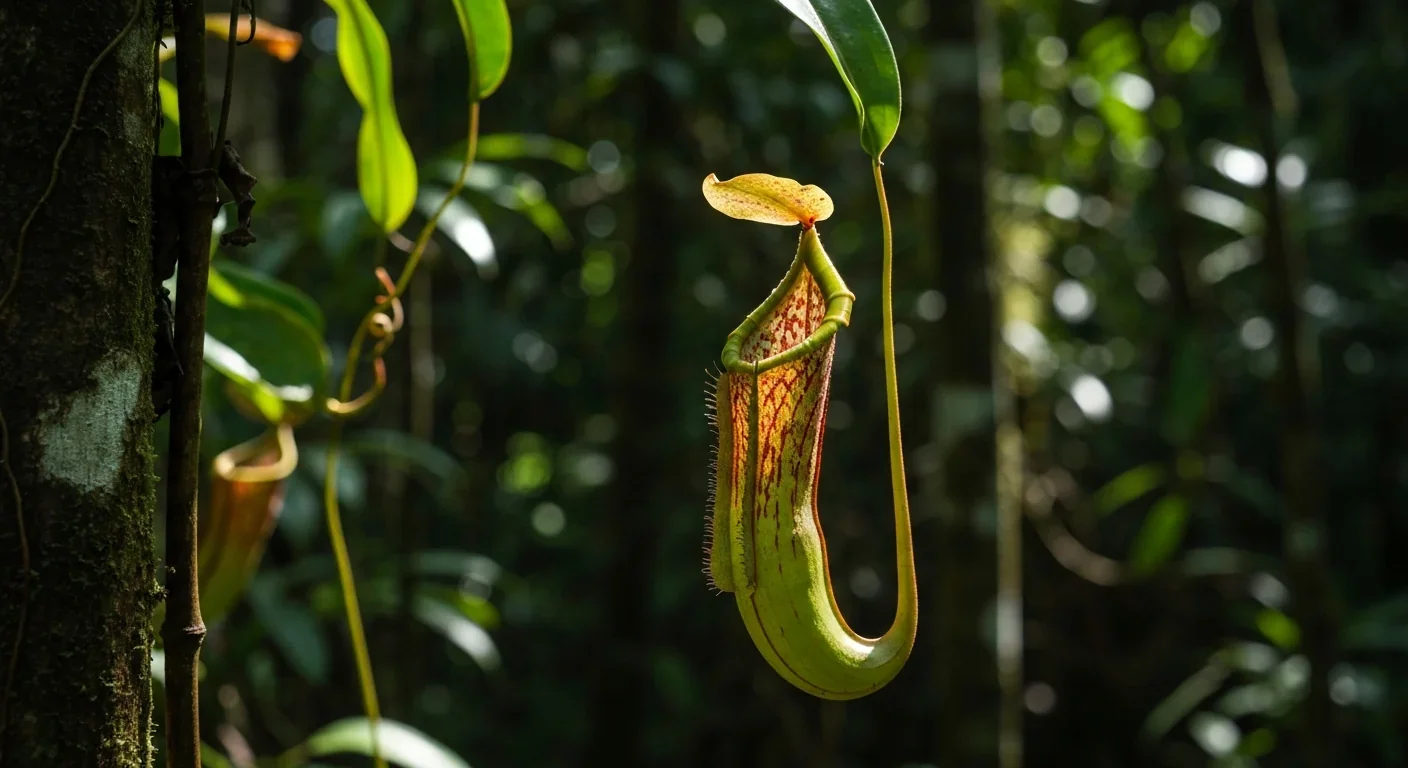
A carnivorous pitcher plant in Borneo evolved to house bats instead of trapping insects, gaining up to 95% of its nitrogen from bat guano. The plant even built an ultrasonic reflector to help bats find it, revealing that carnivory in plants is a flexible spectrum.

The quantified self movement began as a hacker-ethos pursuit of personal insight, but corporate wearables now funnel biometric data to employers, insurers, and data brokers. With 81% of Americans wrongly believing health apps are HIPAA-protected, a regulatory void enables health data to be sold for pennies while generating anxiety instead of empowerment.

CXL memory pooling lets servers dynamically share DRAM over a cache-coherent interconnect, eliminating the 40% stranded memory waste in data centers. With commercial hardware now shipping and Azure deploying CXL cloud instances, this technology promises to cut memory costs by 50% while enabling composable infrastructure.

Loading featured articles...