Carnivorous Plant Farms Bat Poop Instead of Eating
TL;DR: Cichlid fish in Africa's Great Lakes evolved over 500 species in just 15,000 years through genetic hybridization and pharyngeal jaw innovations. This explosive speciation rewrites evolutionary theory but faces catastrophic collapse from human impacts.
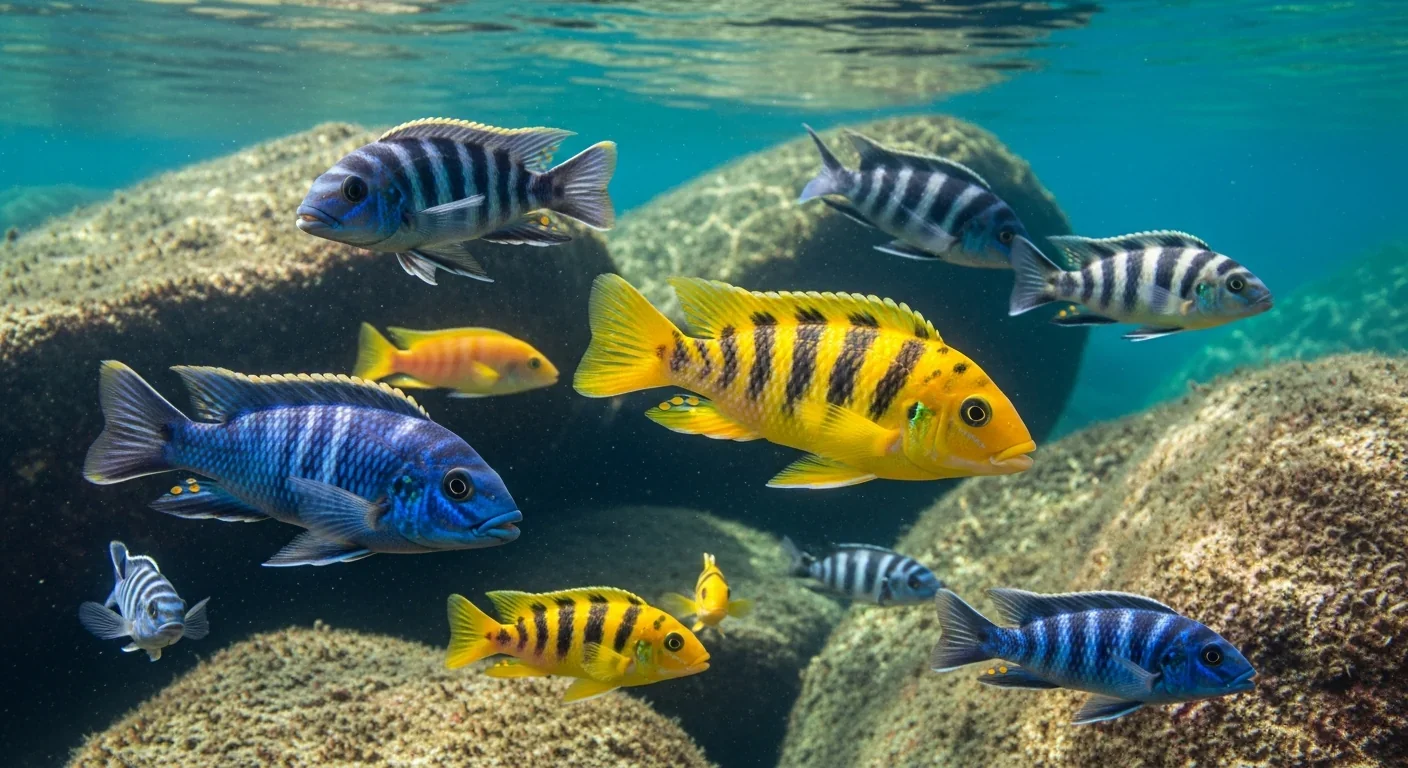
Imagine a world where evolution hits the fast-forward button. Where hundreds of new species burst into existence not over millions of years, but in a timeframe so brief it barely registers on the geological clock. This isn't science fiction - it's exactly what happened in the depths of East Africa's Great Lakes, where cichlid fish pulled off nature's most audacious evolutionary stunt, generating over 500 distinct species from common ancestors in just 15,000 years. To put that in perspective, these fish created more biodiversity in less time than it took humans to develop agriculture.
The discovery of this explosive speciation has fundamentally challenged what scientists thought they knew about evolution's speed limits. When researchers at Tokyo Institute of Technology sequenced over 3 million genomic sites across 100 cichlid species, they uncovered genetic signatures that shouldn't exist according to traditional evolutionary theory. These fish weren't just evolving quickly - they were rewriting the rulebook on how life diversifies on our planet.
The cichlid story begins with an ecological catastrophe that became an evolutionary opportunity. Around 15,000 years ago, as the last ice age ended, Lake Victoria refilled after a devastating dry period that had nearly eliminated all aquatic life. What happened next defies conventional understanding of species formation. A small population of cichlids, emerging from hybridization between two distantly related species from the Upper Nile and Congo drainage systems, suddenly found themselves in an enormous freshwater laboratory with virtually no competition.
Think of it like combining Lego sets from completely different themes - suddenly you have pieces that can build structures neither original set could create alone. Dr. Joana Meier from the University of Cambridge describes this genetic mixing as being "similar to the way the recombination of parts from Lego tractor and aeroplane kits could generate a wide variety of vehicles". This hybridization event wasn't just a minor genetic hiccup; it was the spark that ignited one of nature's most spectacular evolutionary explosions.
The numbers are staggering. Before 1954, Lake Victoria alone harbored over 500 species of fish, with 90% being endemic cichlids. Almost every single one of these species evolved within that narrow 15,000-year window - a timeframe that represents less than 0.0004% of Earth's history. For comparison, that's like watching a feature film and seeing an entire plot unfold in a single frame.
Cichlids achieved in 15,000 years what typically takes millions - creating over 500 distinct species from common ancestors, the fastest speciation event ever documented in vertebrates.
What gave cichlids their evolutionary superpowers? The answer lies in a remarkable anatomical innovation that most fish lack: a second set of jaws hidden in their throats. While you and I have just one set of jaws for both capturing and processing food, cichlids evolved pharyngeal jaws that work like an internal food processor, freeing their regular jaws to specialize in prey capture.
Studies have shown these pharyngeal jaws can undergo dramatic morphological changes in less than two years in response to diet. Fish that switched to eating hard-shelled prey developed robust jaws with molar-like teeth for crushing, while those feeding on softer prey evolved slender jaws with thin, curved teeth. This rapid plasticity means a single cichlid lineage can spawn multiple specialist species in just a few generations.
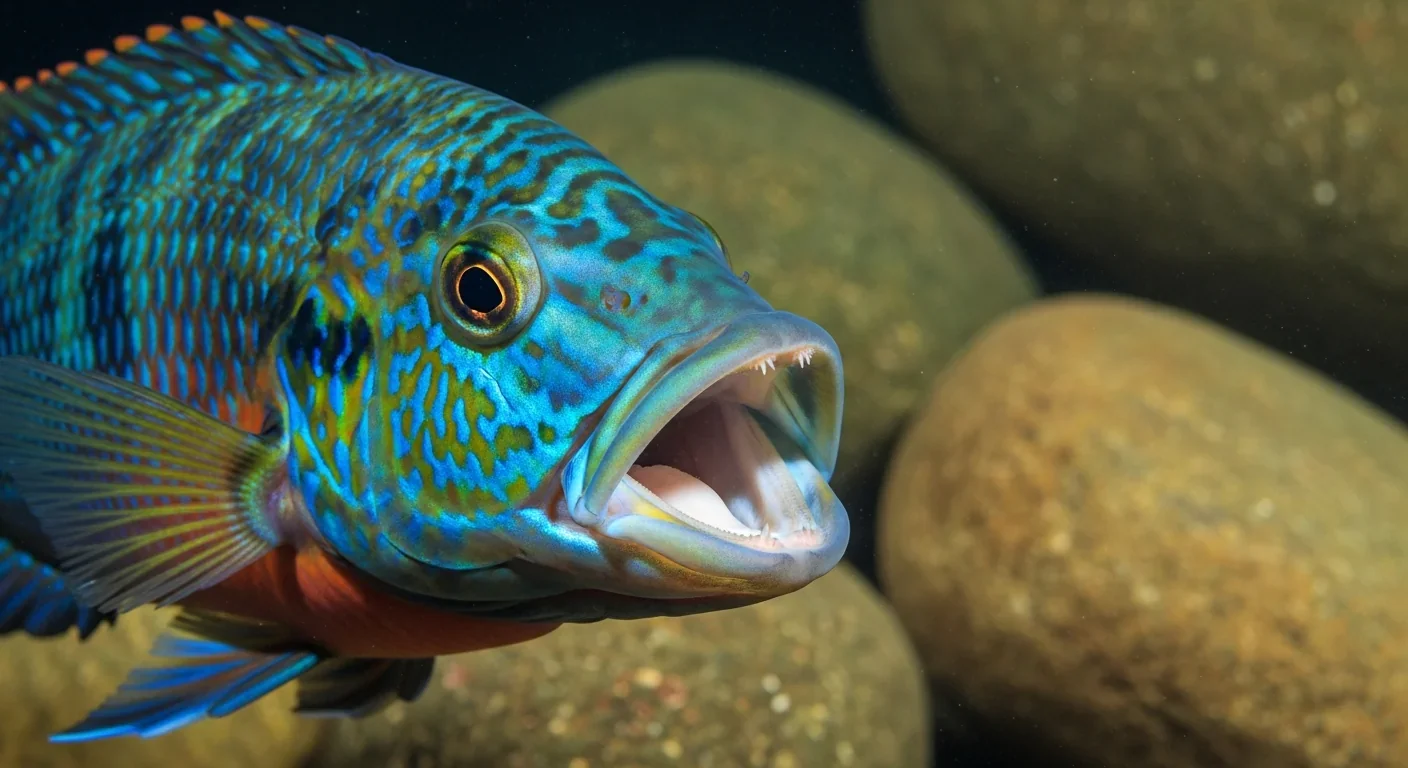
The genetic architecture behind this innovation is equally fascinating. Research published in Nature Communications revealed that oral and pharyngeal jaws in African cichlids are genetically coupled through overlapping genomic regions. This coupling, controlled by genes like smad7 which inhibits bone formation, allows coordinated changes across both jaw systems. It's like having a master control switch that can reconfigure an entire feeding apparatus in response to environmental opportunities.
This double-jaw system enabled cichlids to exploit virtually every available food source in their lakes. Some species evolved specialized teeth for scraping algae from rocks, others for crushing snails, and still others for the bizarre practice of eating fish scales. The Victoria haplochromines alone diversified into at least 16 distinct ecological groups, including detritivores, zooplanktivores, insectivores, prawn-eaters, molluscivores and piscivores.
"The level of genetic differentiation among species is considered very low due to the short period of time after these different species began evolving, and this limited genetic differentiation provides us with a great opportunity to find candidate genes that have contributed to adaptive radiation."
- Professor Masato Nikaido, Tokyo Institute of Technology
When scientists began decoding cichlid genomes, they expected to find massive genetic differences between species. Instead, they discovered something far more intriguing. A comprehensive study identified 678 different genes showing substantial between-species variation, but the overall genetic differentiation between species was remarkably low. Professor Masato Nikaido from Tokyo Tech explains that "this limited genetic differentiation provides us with a great opportunity to find candidate genes that have contributed to adaptive radiation".
The real breakthrough came when researchers uncovered evidence of "selective sweep events" - instances where beneficial mutations spread through populations at lightning speed. These sweeps work like viral social media posts, with advantageous genetic variants racing through cichlid populations and becoming fixed in all members of a species within just a few generations. The genomic analyses revealed that species-specific alleles had existed alongside alternative versions before the radiation began, meaning cichlids carried a pre-loaded genetic toolkit ready to explode into diversity when conditions were right.
Visual abilities provide a perfect example of this rapid genetic adaptation. Species living at different depths in Lake Victoria evolved different versions of genes controlling vision, allowing deep-water species to see in near darkness while shallow-water species optimized for bright, clear conditions. These weren't gradual changes accumulated over millennia - they were rapid genetic adjustments that occurred as cichlids colonized different lake zones.
Lake Tanganyika, the oldest of Africa's Great Lakes, offers a different perspective on cichlid evolution. Scientists from the University of Basel studying Tanganyikan cichlids made a startling discovery: species could gain or lose complex ecological specializations multiple times throughout their evolutionary history. This contradicts the long-held belief that evolution only moves toward greater complexity.
The research revealed that cichlids in Lake Tanganyika independently evolved similar body shapes and feeding strategies multiple times. Rock-dwelling species repeatedly evolved similar adaptations for scraping algae, while open-water species convergently evolved streamlined bodies for pursuit predation. It's as if nature kept running the same evolutionary experiment and getting similar results, suggesting that certain ecological niches create predictable evolutionary pressures.
The dynamic environment of the East African Rift Valley, with its fluctuating water levels and changing ecological conditions, acted as an evolutionary pressure cooker. Lake levels rose and fell, creating and destroying habitats, forcing cichlids to adapt or die. This environmental volatility, rather than hindering evolution, actually accelerated it by constantly presenting new challenges and opportunities.
Pharyngeal jaws can completely restructure in less than two years based on diet changes - a morphological transformation that would typically take thousands of generations in other vertebrates.
Just as rapidly as cichlids diversified, they've begun disappearing. The introduction of the Nile perch to Lake Victoria in the 1950s triggered one of the most dramatic extinction events in recorded history. This voracious predator, which can grow to 184 kg as evidenced by a specimen preserved at Kenya's Kisumu Museum, devastated cichlid populations. Within decades, cichlid biomass plummeted from 80% of the lake's fish to less than 1%.
The numbers are heartbreaking: over 200 cichlid species in Lake Victoria have gone extinct since the 1980s, including more than 100 species that disappeared before scientists could even describe them. It's a mass extinction happening in real-time, erasing millions of years of evolution in just a few human generations. The loss extends beyond simple predation - eutrophication from agricultural runoff has increased water turbidity, disrupting the visual cues cichlids use for mate selection and causing distinct species to hybridize back into hybrid swarms.
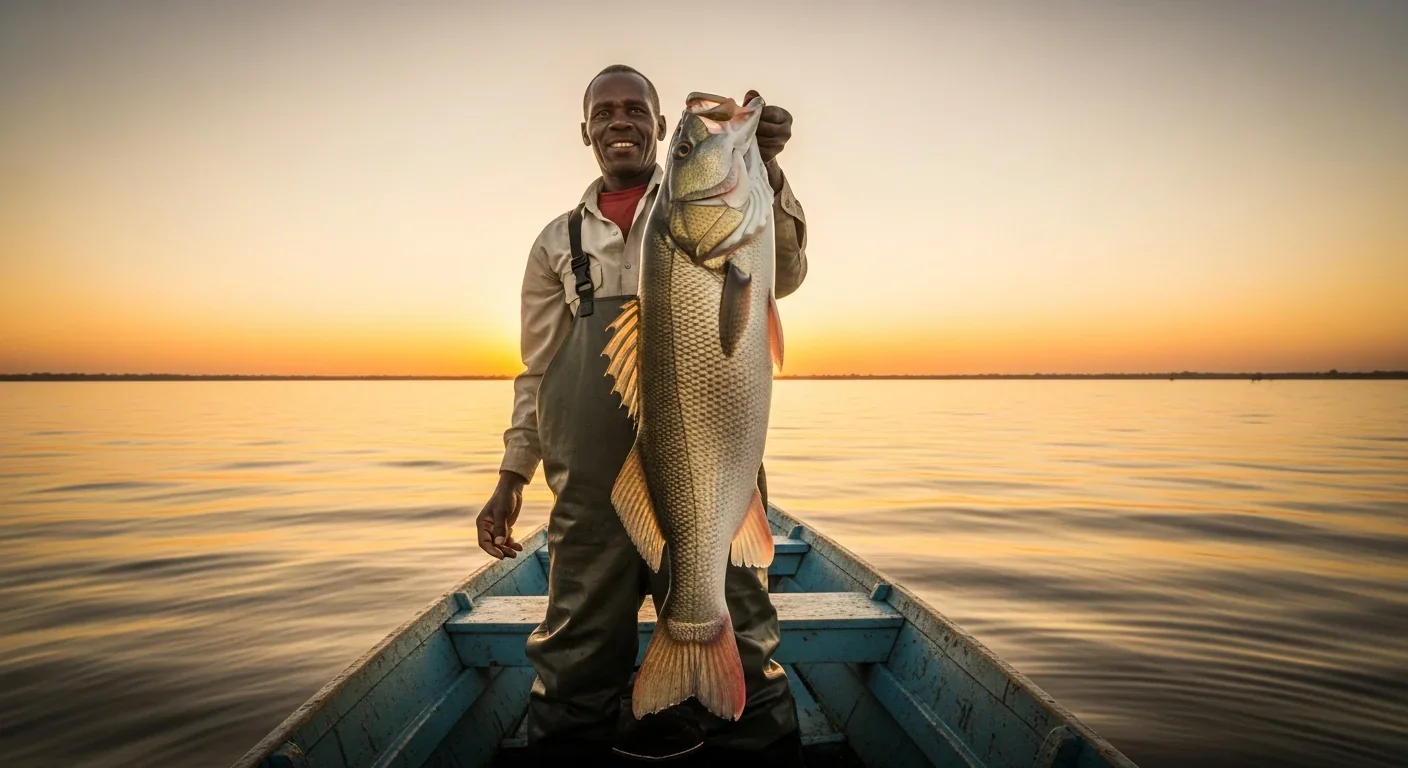
Yet even in the face of catastrophe, cichlids demonstrate remarkable resilience. Some species survived in specialized refugia among rocks or papyrus sedges, protected from Nile perch predation. Others showed astonishing adaptive responses - the species H. pyrrhocephalus increased its gill surface area by 64% over just two decades in response to declining oxygen levels caused by eutrophication. This rapid morphological change proves that cichlid evolution hasn't stopped; it's merely shifted to responding to human-caused environmental changes.
The cichlid story is forcing scientists to reconsider fundamental assumptions about how evolution works. Traditional theory suggested that speciation requires geographic isolation - populations must be physically separated to diverge into new species. Cichlids shattered this assumption by demonstrating that hundreds of species can evolve in a single lake through a process called sympatric speciation, where new species emerge while living in the same geographic area.
The role of hybridization in evolution is also being reconsidered. Rather than being an evolutionary dead end that produces sterile offspring (think mules), hybridization in cichlids acted as a creative force, combining genetic variants in novel ways that neither parent species possessed. This genetic remixing provided the raw material for rapid adaptation, allowing cichlids to explore ecological opportunities that would have been impossible for either parent lineage alone.
Perhaps most importantly, cichlids have revealed that evolution can operate on human timescales. We're not talking about processes that take millions of years - we're witnessing evolution that occurs within decades. The pharyngeal jaw modifications that allow dietary specialization happen in less than two years. Gill surface area changes in response to hypoxia occur within two decades. These aren't minor variations within a species; they're fundamental morphological changes that enable survival in new ecological niches.
"It's similar to the way the recombination of parts from Lego tractor and aeroplane kits could generate a wide variety of vehicles."
- Dr. Joana Meier, University of Cambridge, on how hybridization creates evolutionary innovation
The cichlid explosion offers crucial insights for understanding biodiversity in our rapidly changing world. As climate change accelerates and human activities fragment habitats, understanding how species can rapidly adapt becomes critical for conservation. Cichlids show us that evolution can be surprisingly fast when conditions are right, but also heartbreakingly fragile when ecosystems are disrupted.
The genetic mechanisms underlying cichlid diversity - standing genetic variation, hybridization, and rapid selective sweeps - might exist in other species facing environmental challenges. Conservation strategies that preserve genetic diversity within populations, not just species counts, could provide the raw material for rapid adaptation to changing conditions. The cichlid story suggests that maintaining connectivity between populations, allowing for gene flow and potential hybridization, might actually enhance rather than hinder adaptive potential.
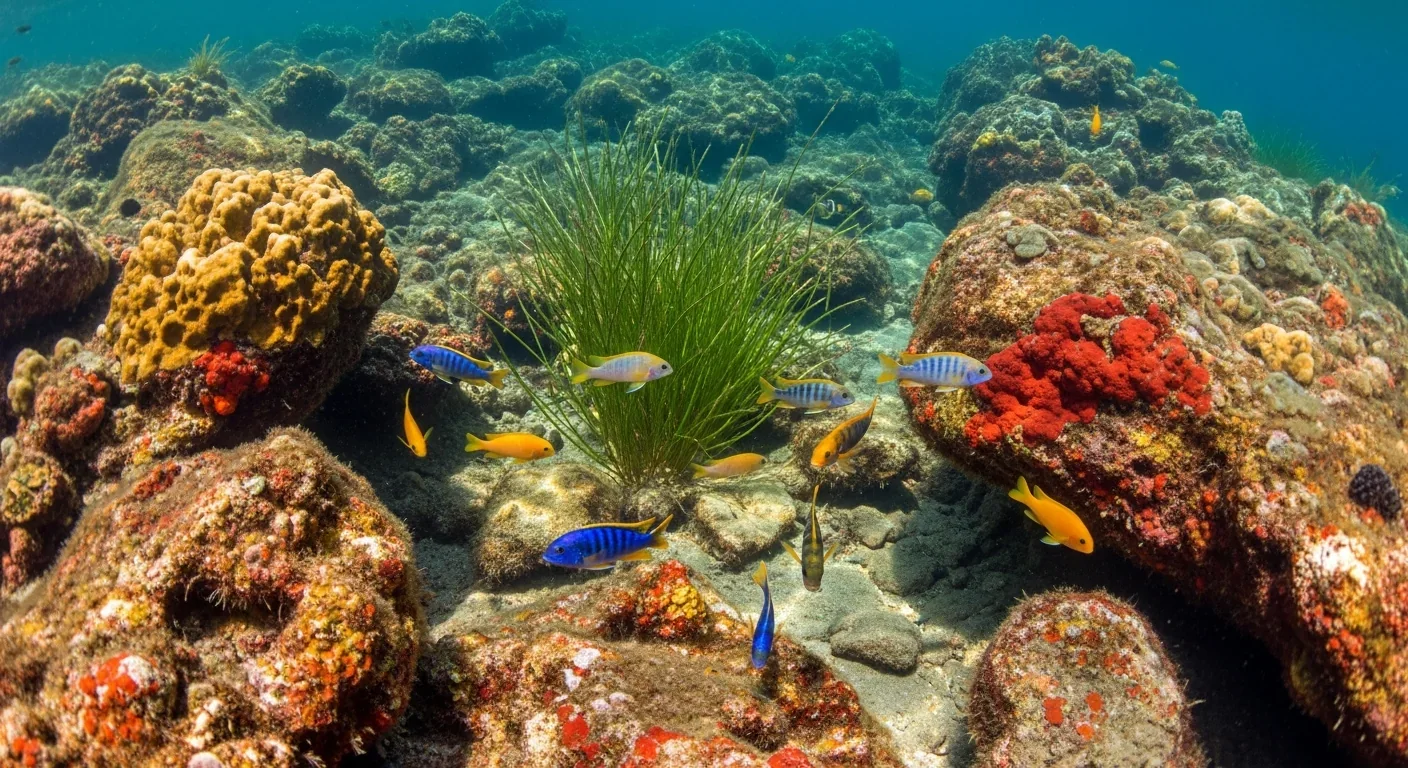
For evolutionary biologists, cichlids have become the Rosetta Stone for understanding speciation. The low genetic differentiation between species despite dramatic phenotypic differences suggests that evolution might require fewer genetic changes than previously thought. Small modifications to regulatory genes, changes in gene expression timing, or alterations in developmental pathways could drive major evolutionary transitions.
Today, researchers continue uncovering new dimensions of the cichlid story. Modern genomic techniques are revealing the molecular basis of traits that enabled rapid diversification. Scientists are identifying the specific genetic variants that control jaw morphology, coloration patterns, and behavioral differences between species. Each discovery adds another piece to the puzzle of how evolution can operate at warp speed.
The conservation outlook remains mixed. While many species have been lost forever, others show signs of recovery. Some cichlid populations are adapting to the presence of Nile perch, evolving behaviors and morphologies that reduce predation risk. The recent establishment of protected areas and efforts to control pollution offer hope that some of Lake Victoria's unique biodiversity might survive.
The cichlid explosion also raises profound questions about evolution on other worlds. If life can diversify this rapidly on Earth given the right conditions, what might be possible on exoplanets with different environmental pressures? Could evolution operate even faster under conditions we haven't imagined? Cichlids have shown us that life's creativity exceeds our wildest expectations.
Over 200 cichlid species have vanished from Lake Victoria since the 1980s - a mass extinction event unfolding faster than scientists can document the species being lost.
As we face an uncertain environmental future, the cichlid story serves as both a warning and an inspiration. It warns us how quickly biodiversity can collapse when ecosystems are disrupted, with centuries of evolution erased in decades. But it also inspires hope that life possesses remarkable adaptive capabilities, that evolution can respond to challenges with surprising speed and creativity.
The next chapter of the cichlid story is being written right now. In laboratories around the world, scientists are using cichlid genomes to understand the fundamental mechanisms of evolution. In African lakes, surviving cichlid populations continue evolving in response to ongoing environmental changes. And in conservation programs, researchers are working to preserve not just individual species but the evolutionary potential that could spawn future diversity.
The cichlid explosion reminds us that evolution isn't just about the past - it's a dynamic, ongoing process that continues shaping life on Earth. These remarkable fish have shown us that given the right conditions, life can explode into bewildering diversity faster than we ever imagined possible. They've proven that evolution doesn't always crawl - sometimes it sprints, and when it does, the results can rewrite our understanding of life itself.

Project Orion was a real 1960s program to reach other stars by detonating 800 nuclear bombs behind a spacecraft. The physics worked and the engineering was feasible, but the 1963 nuclear test ban treaty killed it. It remains the most credible interstellar spacecraft ever designed.
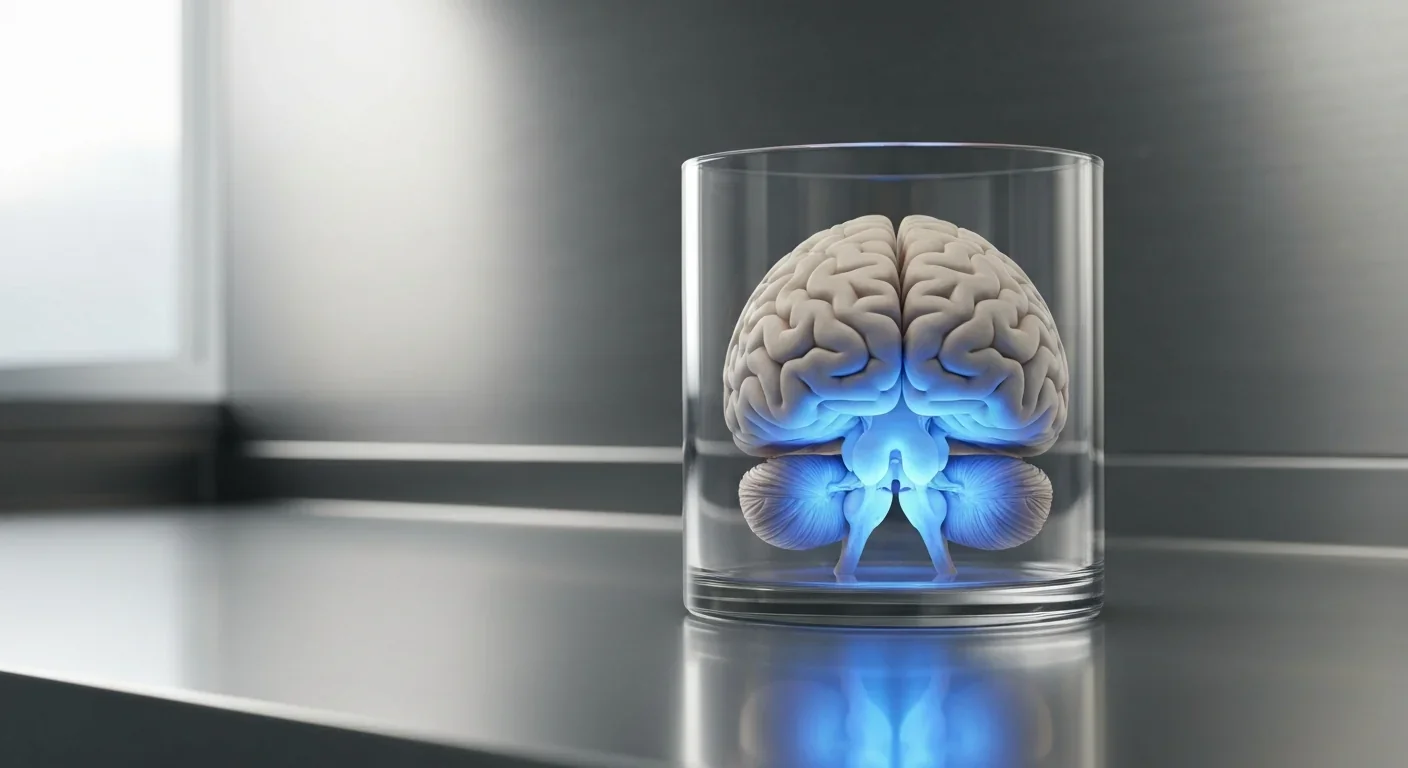
The locus coeruleus, a tiny brainstem structure, degenerates decades before Alzheimer's symptoms appear. Its loss cripples the brain's inflammation control, waste clearance, and sleep regulation. New imaging tools and noradrenergic therapies offer hope for early detection and prevention.

Research shows the sharing economy often increases total resource consumption through the Jevons paradox and rebound effects. Ride-sharing adds billions of vehicle miles, co-working spaces use more energy per worker, and diffused responsibility erodes conservation behavior. Breaking the paradox requires congestion pricing, accountability design, and matching sharing models to appropriate resource types.

Psychological reactance theory explains why banning or restricting things makes people want them more. From Prohibition to the Streisand effect to scarcity marketing, research shows that threatening people's freedom reliably backfires, and autonomy-supportive communication is far more effective.
A carnivorous pitcher plant in Borneo evolved to house bats instead of trapping insects, gaining up to 95% of its nitrogen from bat guano. The plant even built an ultrasonic reflector to help bats find it, revealing that carnivory in plants is a flexible spectrum.

The quantified self movement began as a hacker-ethos pursuit of personal insight, but corporate wearables now funnel biometric data to employers, insurers, and data brokers. With 81% of Americans wrongly believing health apps are HIPAA-protected, a regulatory void enables health data to be sold for pennies while generating anxiety instead of empowerment.

CXL memory pooling lets servers dynamically share DRAM over a cache-coherent interconnect, eliminating the 40% stranded memory waste in data centers. With commercial hardware now shipping and Azure deploying CXL cloud instances, this technology promises to cut memory costs by 50% while enabling composable infrastructure.

Loading featured articles...