Carnivorous Plant Farms Bat Poop Instead of Eating
TL;DR: Electric eels generate 860 volts by stacking 6,000 electrocyte cells in series, each contributing 150 millivolts through precise ion channel gating. Engineers are now copying this design to build soft, flexible hydrogel batteries for medical implants and wearable devices.
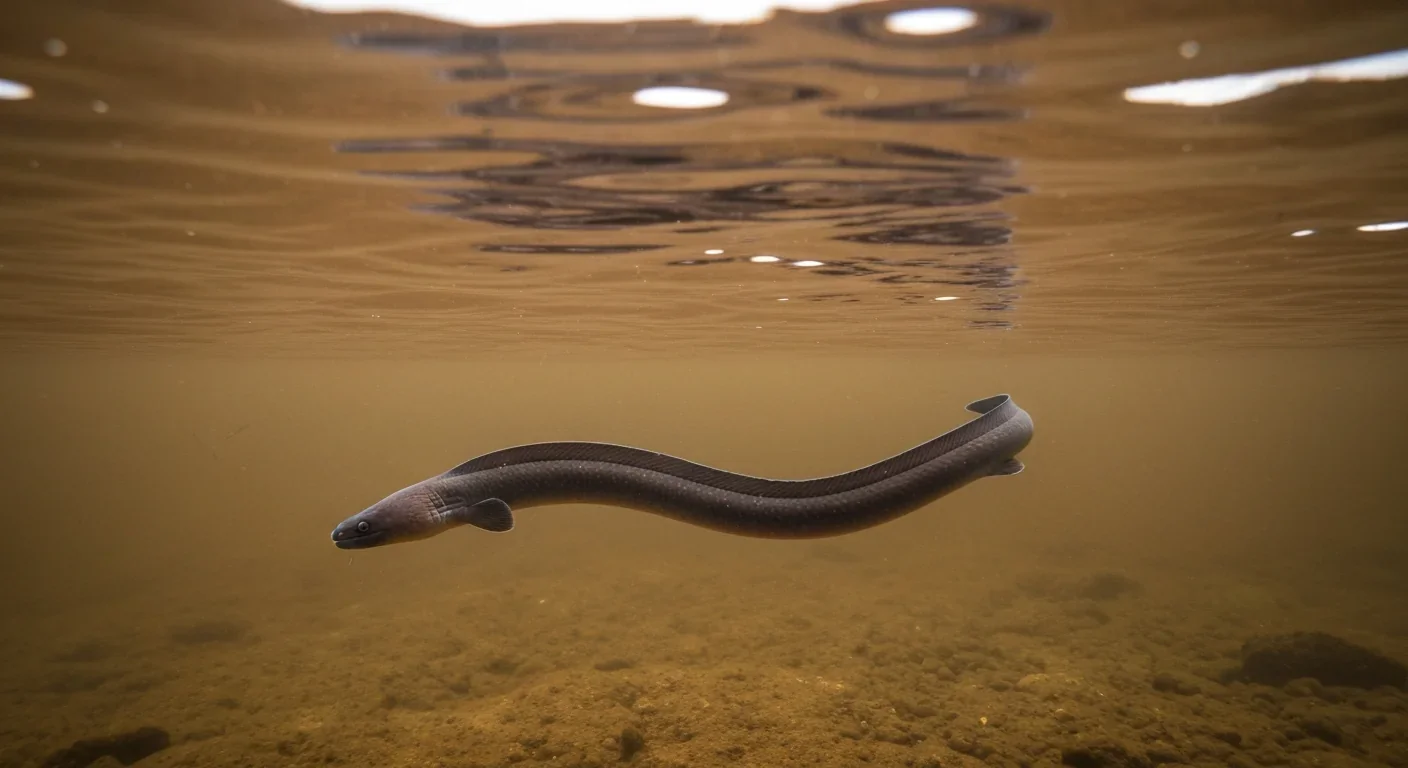
The next revolution in power technology won't come from a Silicon Valley garage or a government superlab. It will come from a fish. Specifically, from a two-meter-long South American knifefish that figured out, roughly 100 million years ago, how to wire thousands of living cells into one of the most efficient electrical systems in nature. Electric eels generate up to 860 volts, enough to stun a caiman, and engineers are now reverse-engineering their biology to build soft, flexible batteries that could power everything from medical implants to underwater robots. The story of how they do it starts with a single cell smaller than a grain of sand.
For 250 years, scientists thought there was exactly one species of electric eel. Then in 2019, Smithsonian researcher C. David de Santana and his team examined 107 specimens collected across Brazil, French Guiana, Guyana, and Suriname over six years. The animals looked nearly identical from the outside, but DNA analysis told a completely different story.
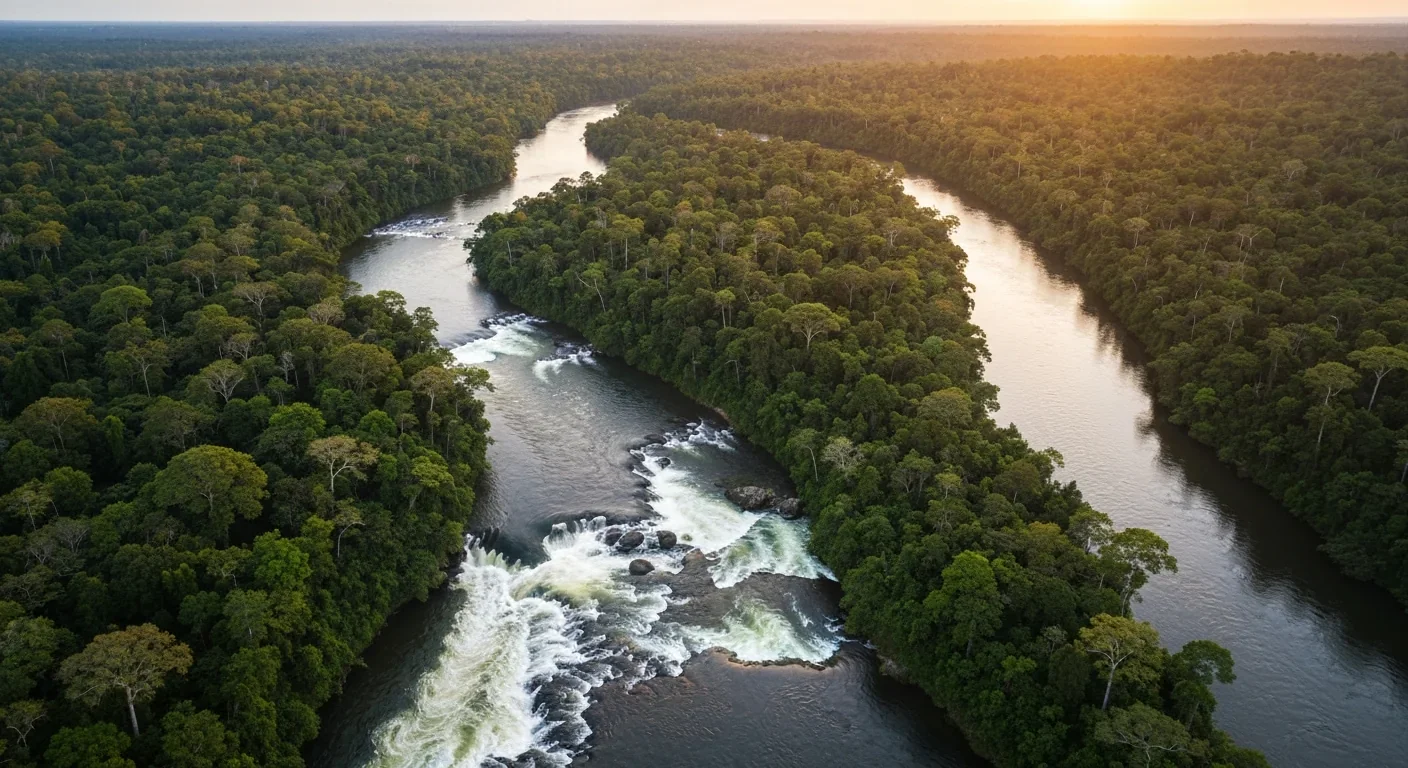
De Santana's team identified three distinct species hiding in plain sight: Electrophorus electricus (the original), Electrophorus varii, and Electrophorus voltai, named after Alessandro Volta, the inventor of the battery. The kicker was E. voltai. This highland species, found in the rapids and waterfalls of the Brazilian Shield, produced a measured discharge of 860 volts, smashing the previous record of 650 volts and making it the strongest bioelectric generator ever documented.
"If you can discover a new eight-foot-long fish after 250 years of scientific exploration, can you imagine what remains to be discovered in that region?"
- C. David de Santana, Smithsonian Institution, via ScienceDaily
Why would a highland species need more voltage than its lowland relatives? The answer lies in physics. Highland rivers have lower mineral content and therefore lower electrical conductivity. To deliver the same effective shock to prey in clearer water, E. voltai had to evolve a more powerful generator. Evolution, it turns out, understands Ohm's law perfectly well.
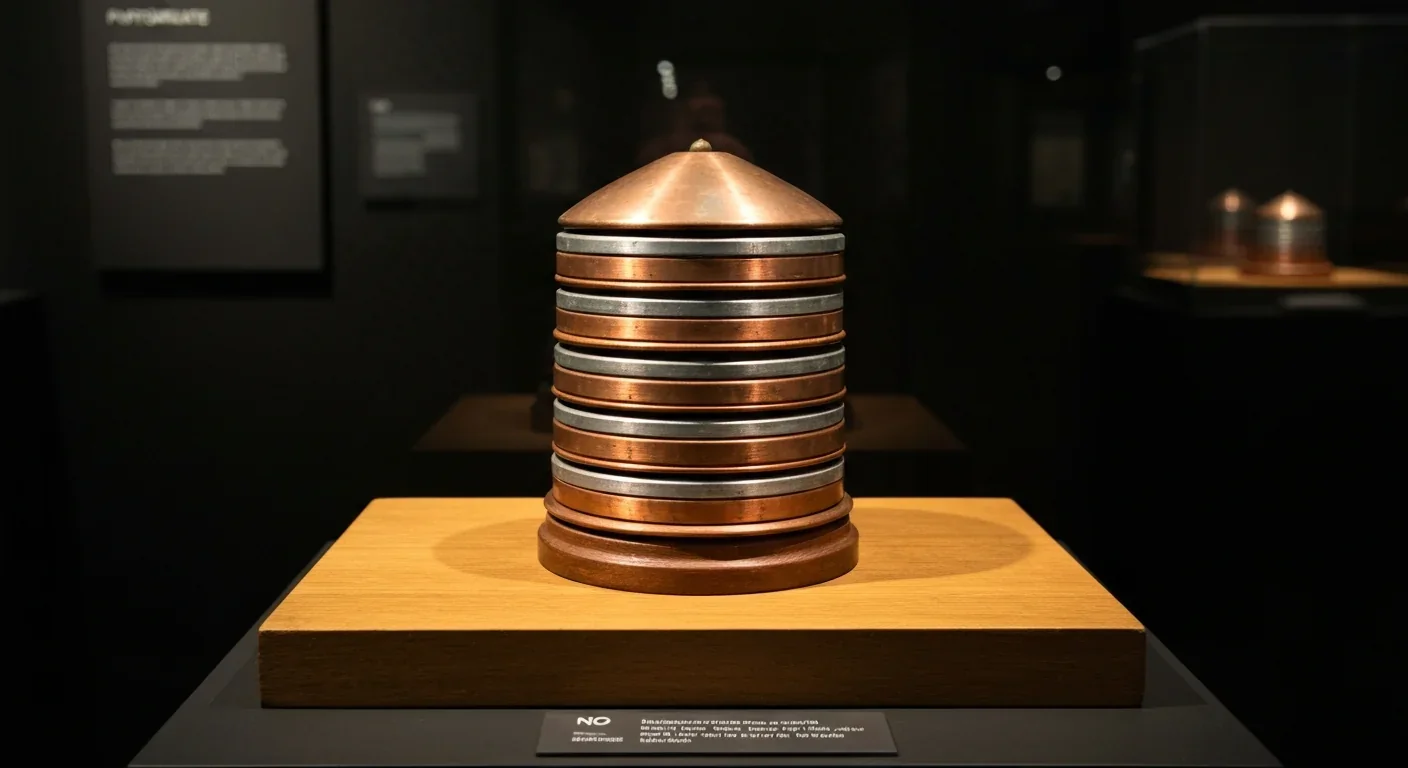
The relationship between electric eels and human technology is older than most people realize. In the 1770s, British scientist John Walsh demonstrated that the shocks from electric fish were genuinely electrical, not some mysterious vital force. His work, along with anatomical studies by John Hunter, who dissected the eel's internal organs, directly inspired Alessandro Volta.
Volta noticed that the eel's stacked electrocytes resembled what would happen if you piled up alternating metal discs. In 1800, he built exactly that, creating the voltaic pile, the world's first true battery. The device that launched the electrical age was, in a very real sense, a mechanical copy of a fish organ.
Nature had solved the power-storage problem hundreds of millions of years ago. Electric organs have evolved independently at least six times across different fish lineages, from South American knifefish to African mormyrids to marine torpedo rays. Each lineage found its own molecular route to the same solution: convert modified muscle cells into specialized electrocytes that store and discharge electrical energy. Some lineages altered regulatory elements in their sodium channel genes; others simply deleted those genes entirely. Different paths, same destination.
This convergent evolution tells engineers something important. When nature independently solves a problem the same way across species that haven't shared a common ancestor in over 100 million years, it's a strong signal that the solution is fundamentally efficient. That's worth copying.
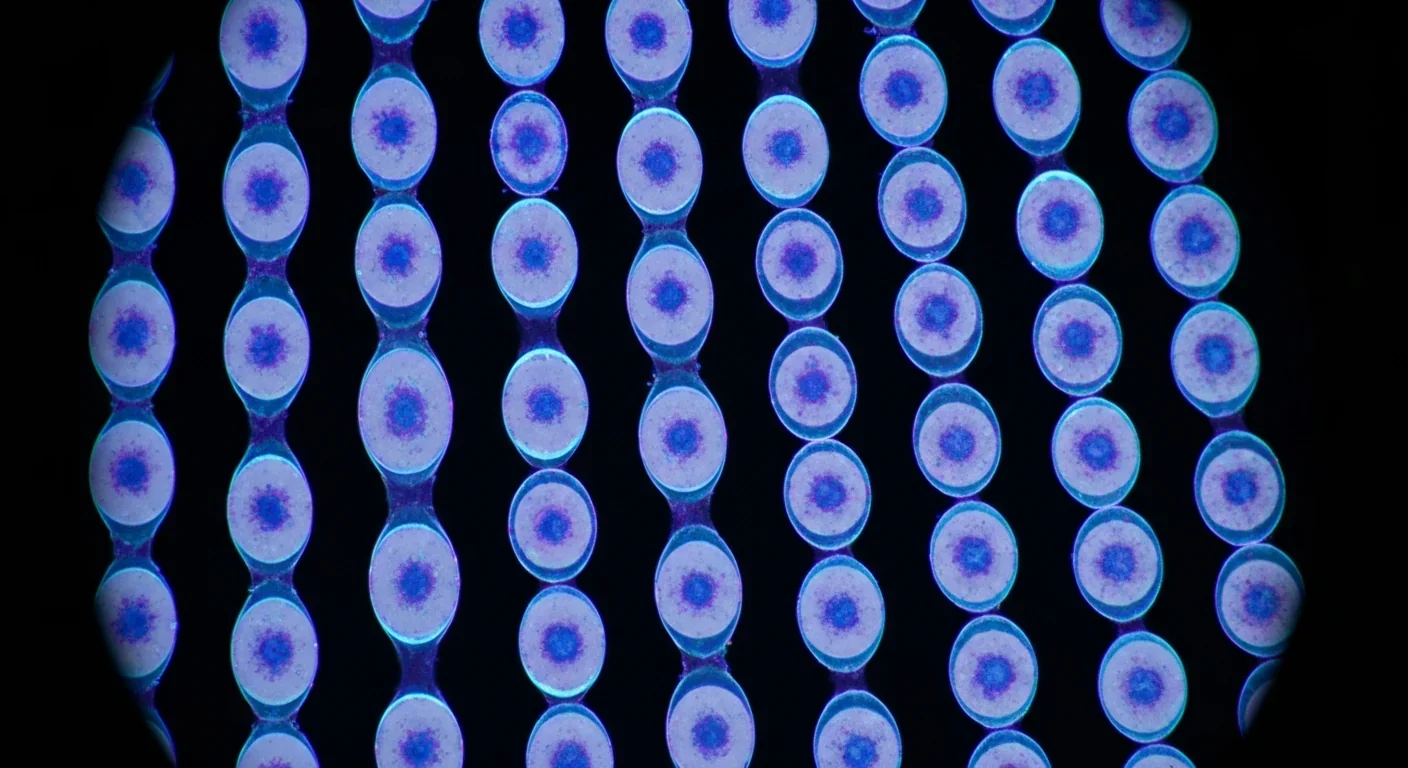
The electric eel's power system is elegantly simple in concept, even if the biochemistry is extraordinarily precise. The eel's three electric organs, the main organ, Hunter's organ, and Sachs' organ, collectively occupy about 80% of the animal's body. Within these organs sit approximately 5,000 to 6,000 specialized cells called electrocytes, arranged in long columns like a stack of coins.
Each electrocyte is a flattened disc, roughly 50 to 100 micrometers thick, derived from skeletal muscle cells that lost their ability to contract during evolution. Instead of producing movement, they produce voltage. They're essentially modified muscle cells that became tiny biological batteries.
Between discharges, each electrocyte maintains a charge gradient across its membrane using sodium-potassium ATPase pumps. These molecular machines burn ATP to shuttle three sodium ions out of the cell for every two potassium ions they bring in, creating a net positive charge on the outside. This pump consumes enormous energy, up to 70% of the cell's ATP budget in some excitable cells, but it's what keeps the system primed and ready to fire.
Each electrocyte generates just 150 millivolts on its own. But stack 6,000 of them in series and you get the biological equivalent of wiring thousands of tiny batteries end to end, producing up to 860 volts in a single coordinated pulse.
When the eel's brain sends a signal to discharge, motor neurons release the neurotransmitter acetylcholine onto one face of each electrocyte. The acetylcholine binds to nicotinic receptors, which opens voltage-gated sodium channels. Sodium ions rush into the cell, flipping the polarity from about -85 millivolts to roughly +65 millivolts. That's a swing of about 150 millivolts per cell.
Stack 6,000 of those cells in series, and you get roughly 900 volts in theory. Real-world losses from resistance and imperfect synchronization bring it down to the measured 860-volt maximum. It's the exact same principle as putting batteries in series in a flashlight: each cell's voltage adds to the next.
Stacking cells is only half the story. The real engineering challenge is coordination. Every single electrocyte in the column has to fire within microseconds of its neighbors. If the timing drifts, the individual voltages cancel out instead of adding up, and you get nothing but useless static.
The eel solves this with a structure called the medullary pacemaker nucleus, a cluster of specialized neurons in the brainstem that acts as a biological conductor. When the eel decides to strike, the pacemaker fires a synchronized burst of signals down electromotor neurons that branch to every electrocyte in the organ. The entire system discharges in a coordinated pulse lasting just 1 to 2 milliseconds.
During active hunting, the eel can fire these volleys at staggering rates, up to 400 to 500 pulses per second. And the function goes beyond a simple stun gun. Research has shown that eels use a Taser-like strategy: they first emit rapid pairs of low-voltage pulses that remotely activate a prey fish's motor neurons, causing an involuntary twitch that reveals the prey's location. Only then does the eel deliver the full high-voltage blast to immobilize its target.
The Sachs' organ, meanwhile, operates on a completely different frequency. It generates constant low-voltage pulses of about 10 volts, creating an electric field around the eel that functions like biological sonar. When an object distorts this field, the eel detects it through specialized electroreceptors, allowing it to navigate and hunt in pitch-black waters where vision is useless.
The prospect of building artificial versions of the eel's power system has attracted serious research attention. If you can replicate the electrocyte's trick of generating voltage from salt water and ion gradients, you could build batteries that are soft, flexible, biocompatible, and theoretically self-recharging.
The breakthrough proof of concept came in 2017, when a team published a study in Nature describing an artificial electric organ made from stacked hydrogel cells. The device used alternating layers of salt-rich and salt-poor hydrogels separated by selective membranes, mimicking the ion gradients in real electrocytes. The result: 110 volts from a soft, transparent, completely flexible power source.
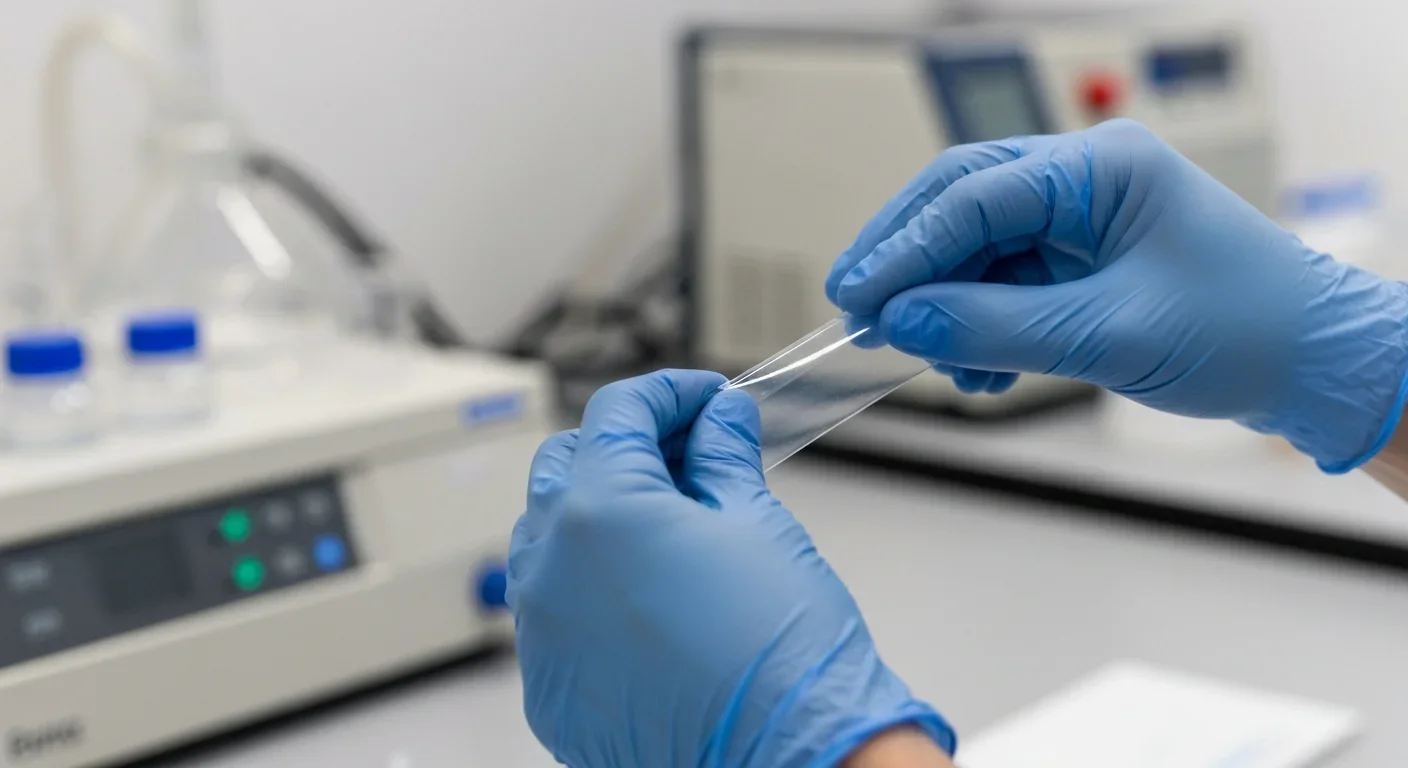
More recently, researchers at Penn State University pushed the concept further. Joseph Najem's team used spin coating to layer four different hydrogel mixtures, each only 20 micrometers thick, creating artificial electrocyte stacks with dramatically reduced internal resistance. Their findings, published in Advanced Science, demonstrated higher power density while maintaining the flexibility needed for real-world applications.
"The electrocytes in electric eels are ultra-thin biological cells, capable of generating over 600 volts of electricity in a brief burst. These cells achieve very high power densities, meaning they can produce a lot of power from small volumes."
- Joseph Najem, Penn State University, via Penn State News
The potential applications are striking. Imagine pacemakers powered by the body's own salt gradients, never needing battery replacement. Think about soft robots for underwater exploration that draw power from surrounding seawater. Or consider wearable medical sensors powered by sweat. Unlike conventional lithium batteries, these bio-inspired power sources use no toxic metals, produce no hazardous waste, and in principle could recharge themselves the way real electrocytes do, through metabolic processes.
The story of electric eel research is also a story about biodiversity and what we stand to lose. The Amazon Basin, where all three Electrophorus species live, remains one of the most biologically rich and least understood ecosystems on Earth. De Santana's discovery of three species in a genus scientists thought they had fully characterized 250 years ago underscores how much remains hidden in threatened tropical ecosystems.
In 2021, another surprise emerged from the Amazon. Researcher Douglas Bastos documented the first known instance of pack hunting by electric eels in a population of E. voltai at the mouth of the Iriri River. More than 100 adult eels were found hunting cooperatively, herding prey fish into shallow water before delivering coordinated strikes. As de Santana calculated, if 10 eels discharge simultaneously, they could theoretically generate up to 8,600 volts, enough to power 100 light bulbs.
In 2023, scientists discovered that electric eel discharges can transfer environmental DNA to nearby animals through electroporation, the same gene-insertion technique used in molecular biology labs worldwide. Nature invented genetic engineering tools long before we did.
Research extends well beyond South America. European and American labs are building on the hydrogel battery work to design flexible power sources for medical devices. And in 2023, scientists discovered that electric eel discharges can transfer environmental DNA to nearby animals, essentially a natural form of genetic modification through electroporation, the same technique molecular biologists use daily in labs worldwide.
The comparison with other bioelectric species provides valuable context. Torpedo rays produce around 220 volts. Electric catfish generate about 350 volts. Neither comes close to E. voltai's 860, but studying how different lineages independently evolved similar solutions offers a richer blueprint for engineers trying to optimize artificial electrocyte designs.
The gap between a laboratory hydrogel producing 110 volts and a practical bio-battery for a medical device is still significant. Current artificial electrocytes can't match the eel's ability to rapidly recharge and fire hundreds of times per second. The power output per volume, while improving, remains below what most commercial applications demand.
But the trajectory is clear. As fabrication techniques improve and researchers better understand the molecular details of natural electrocyte development, including recent insights showing how electrocyte progenitor cells mature through a ventral-to-dorsal gradient in the eel's body, the gap will narrow.
Within the next decade, the first generation of truly bio-inspired power sources could reach clinical trials for implantable devices. The electric eel didn't evolve its 860-volt discharge to inspire human technology. But that's exactly what it's doing, carrying a lesson worth 100 million years of R&D: sometimes the best engineering solution is the one nature already figured out.
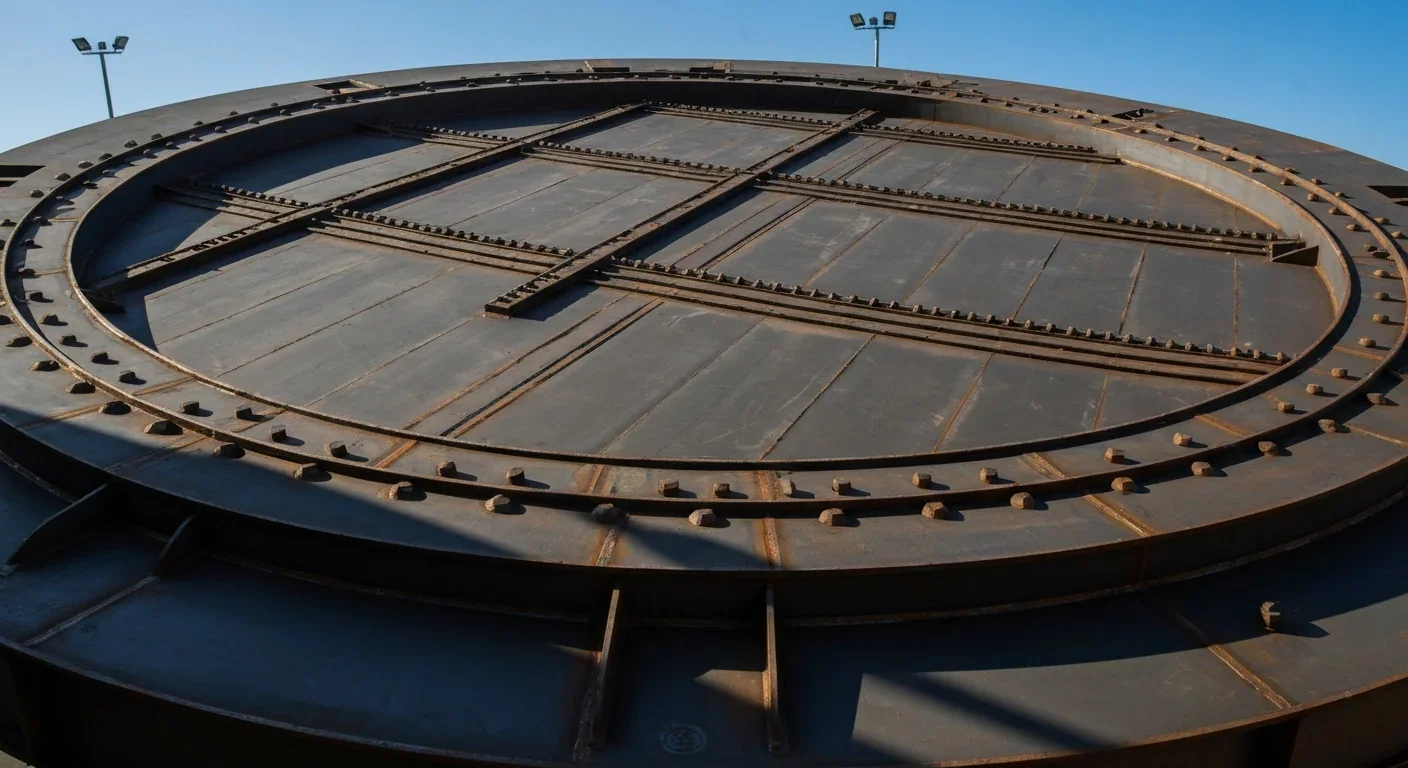
Project Orion was a real 1960s program to reach other stars by detonating 800 nuclear bombs behind a spacecraft. The physics worked and the engineering was feasible, but the 1963 nuclear test ban treaty killed it. It remains the most credible interstellar spacecraft ever designed.
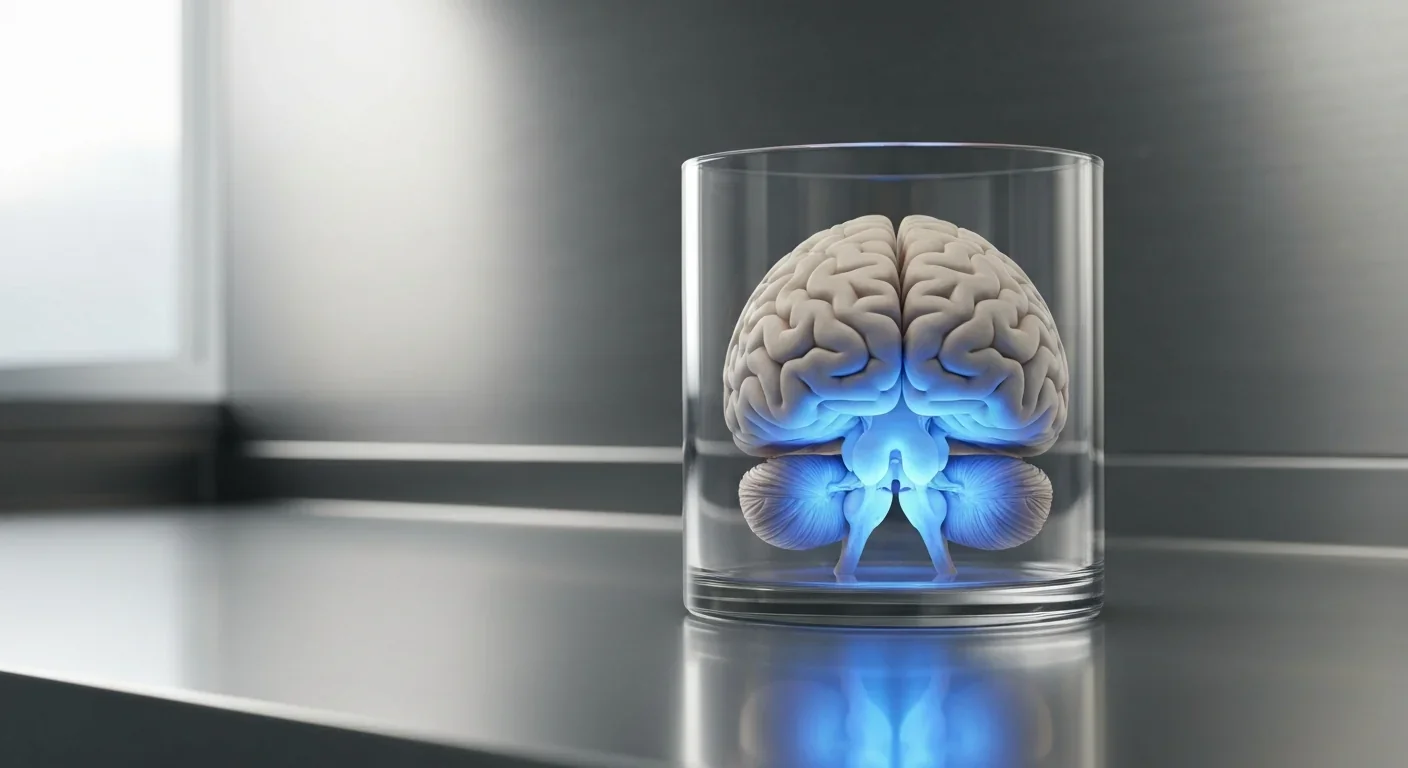
The locus coeruleus, a tiny brainstem structure, degenerates decades before Alzheimer's symptoms appear. Its loss cripples the brain's inflammation control, waste clearance, and sleep regulation. New imaging tools and noradrenergic therapies offer hope for early detection and prevention.
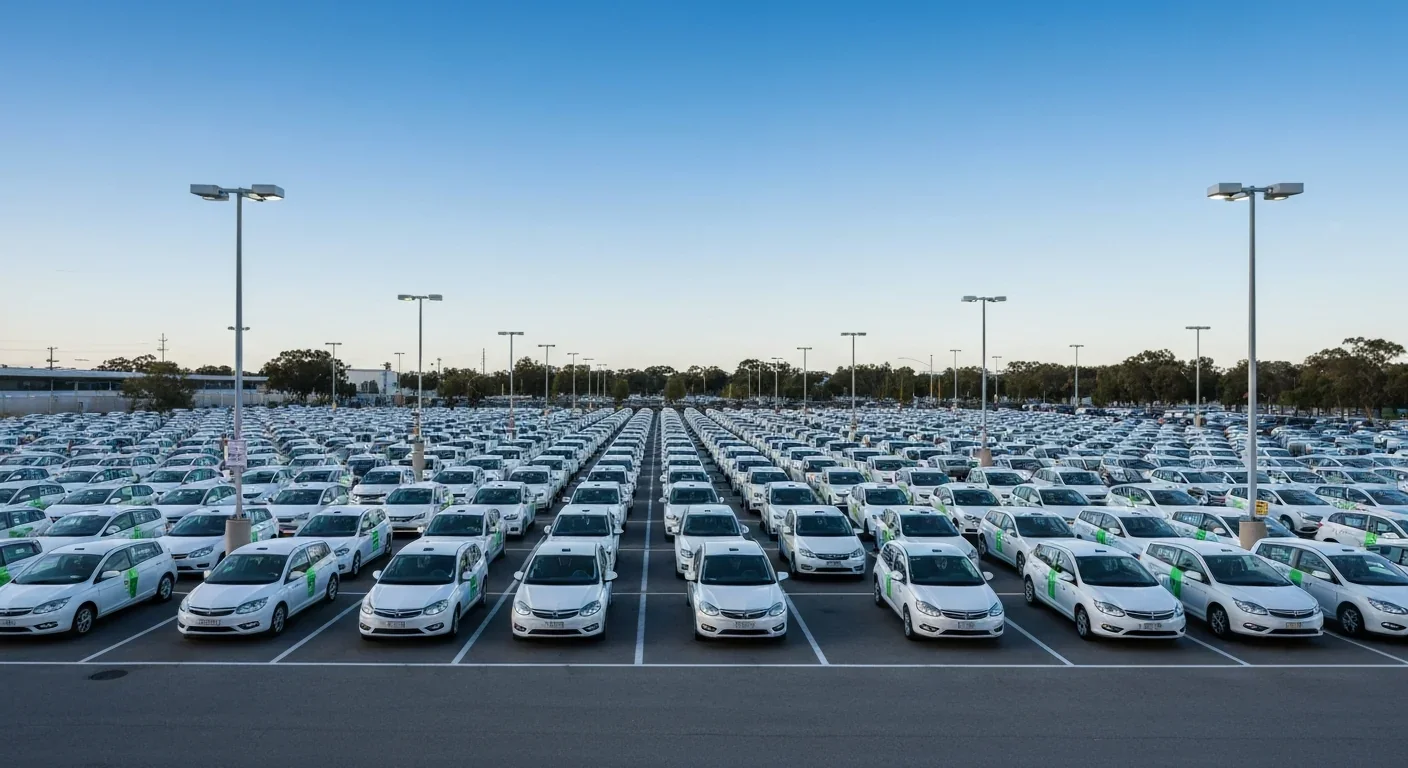
Research shows the sharing economy often increases total resource consumption through the Jevons paradox and rebound effects. Ride-sharing adds billions of vehicle miles, co-working spaces use more energy per worker, and diffused responsibility erodes conservation behavior. Breaking the paradox requires congestion pricing, accountability design, and matching sharing models to appropriate resource types.

Psychological reactance theory explains why banning or restricting things makes people want them more. From Prohibition to the Streisand effect to scarcity marketing, research shows that threatening people's freedom reliably backfires, and autonomy-supportive communication is far more effective.
A carnivorous pitcher plant in Borneo evolved to house bats instead of trapping insects, gaining up to 95% of its nitrogen from bat guano. The plant even built an ultrasonic reflector to help bats find it, revealing that carnivory in plants is a flexible spectrum.

The quantified self movement began as a hacker-ethos pursuit of personal insight, but corporate wearables now funnel biometric data to employers, insurers, and data brokers. With 81% of Americans wrongly believing health apps are HIPAA-protected, a regulatory void enables health data to be sold for pennies while generating anxiety instead of empowerment.

CXL memory pooling lets servers dynamically share DRAM over a cache-coherent interconnect, eliminating the 40% stranded memory waste in data centers. With commercial hardware now shipping and Azure deploying CXL cloud instances, this technology promises to cut memory costs by 50% while enabling composable infrastructure.

Loading featured articles...