Carnivorous Plant Farms Bat Poop Instead of Eating

TL;DR: Elephants communicate through Earth's vibrations using seismic waves that travel up to 6 miles underground. Their feet contain specialized sensors that detect these ultra-low frequency signals, enabling complex social coordination across vast distances.
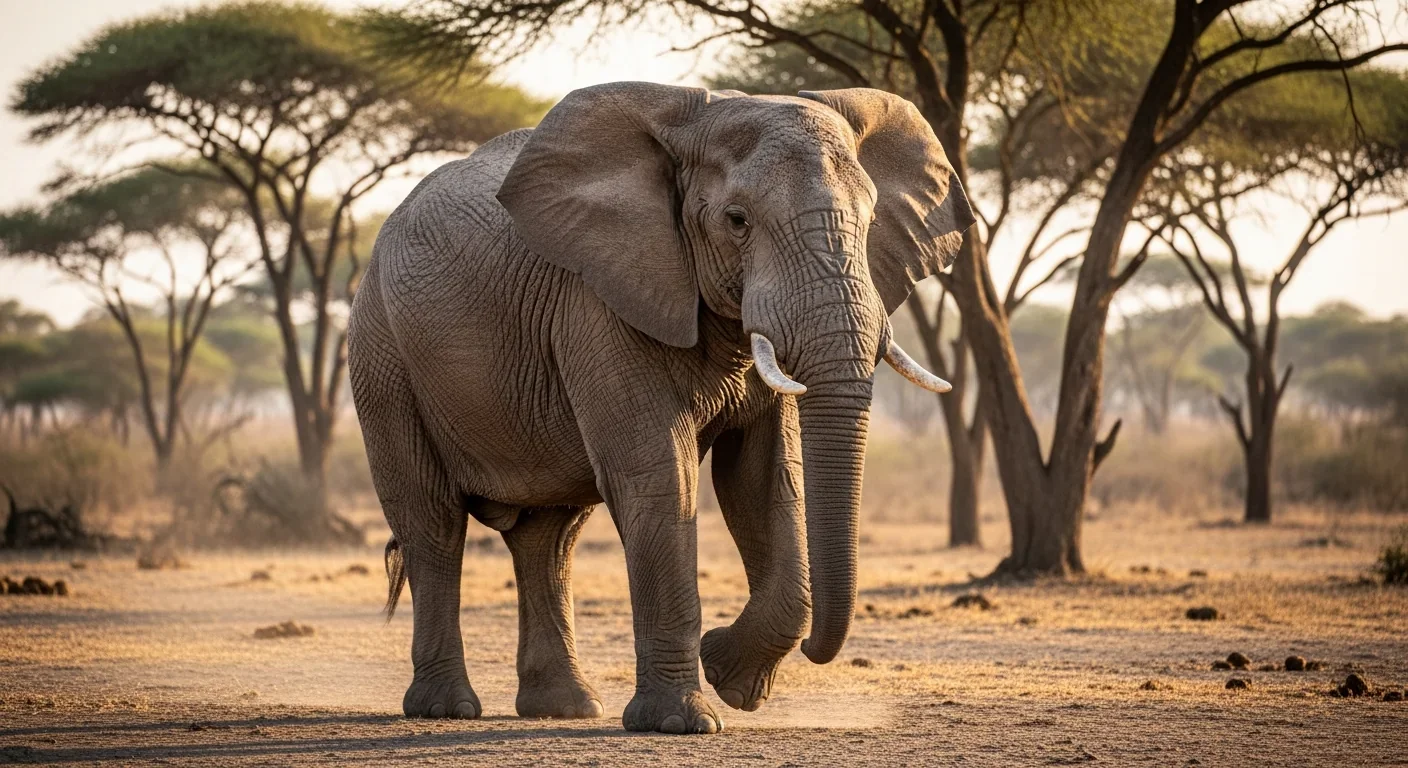
Picture a herd of elephants spread across the African savanna, separated by miles of grassland. Without a sound you can hear, they're having a conversation. One matriarch stamps her massive foot, sending a coded message through the ground that races ahead faster than sound through air. Miles away, another elephant freezes mid-step, her sensitive feet detecting the vibration. She's just received a warning about lions near the watering hole.
This isn't science fiction. It's happening right now across elephant habitats worldwide, a sophisticated communication system that remained hidden from human understanding until recently. While we've marveled at elephant trumpets and watched their obvious body language, these giants have been conducting complex social negotiations through the earth beneath our feet, using ultra-low frequency vibrations that travel for miles underground.
When an elephant vocalizes, something remarkable happens beneath the surface. According to research from Stanford University, the vocalization creates what scientist Caitlin O'Connell-Rodwell describes as "a mini-explosion at the source." This isn't just metaphorical. The low-frequency components of elephant calls, ranging from 5 to 35 Hz, couple directly into the ground as seismic waves.
These aren't ordinary sound waves bouncing through air. Studies show that seismic waves in the earth can travel much farther than airborne sound, particularly in the low-frequency range elephants use. While an elephant's audible trumpet might carry a mile or two on a good day, the seismic component can travel six miles or more through the ground, depending on soil conditions.
The type of wave matters enormously. Elephants primarily generate Rayleigh waves, a type of surface seismic wave that rolls along the ground's surface like an ocean wave. These waves maintain their energy better than other seismic wave types, making them perfect for long-distance communication. The waves travel at approximately 210-250 meters per second through typical savanna soil, faster than sound through air but slow enough for elephants to process the time difference between airborne and ground-borne signals.
Elephant seismic calls can travel up to 6 miles underground - three times farther than their loudest trumpet can be heard through the air. This hidden communication network operates 24/7 beneath our feet.
Evolution has equipped elephants with remarkable anatomical adaptations for this underground communication network. The most sophisticated equipment sits in an unlikely place: their feet.
Elephant feet contain dense clusters of Pacinian corpuscles, specialized mechanoreceptors exquisitely tuned to detect vibrations. These aren't just a few scattered sensors. The edges of elephant feet are packed with these biological vibration detectors, particularly concentrated around the heel and toe regions. Each corpuscle acts like a tiny seismometer, converting ground vibrations into neural signals.
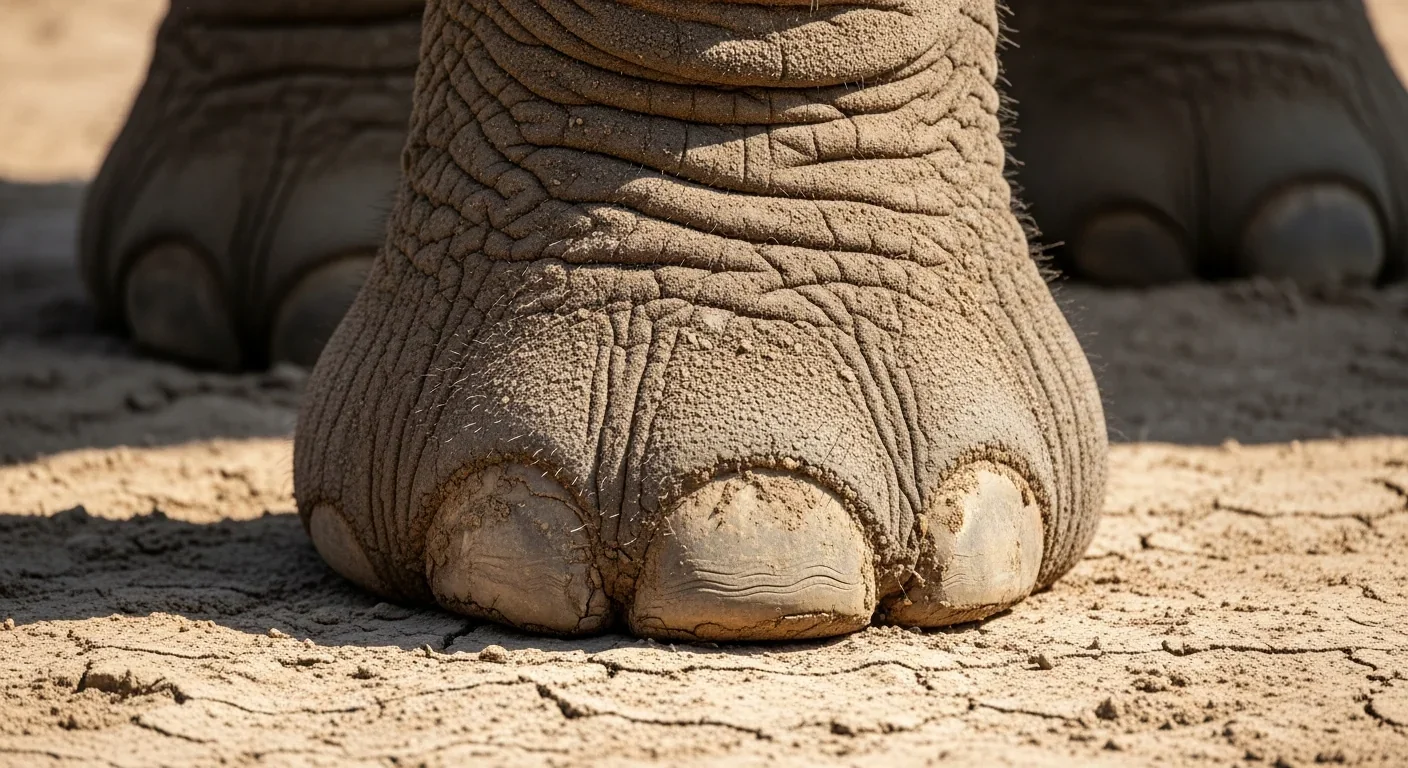
Recent research published in Science Advances reveals that these Pacinian corpuscles are even more sophisticated than previously thought. The inner core of each corpuscle, composed of specialized Schwann cells, actively amplifies vibration signals rather than simply filtering them. This cellular amplification system gives elephants extraordinary sensitivity to ground vibrations, allowing them to detect seismic signals from other elephants miles away.
But feet aren't the only receivers in this system. Elephants also detect seismic signals through their trunks and possibly through bone conduction via their massive leg bones. When an elephant places its trunk on the ground, it's not just resting; it's actively listening to vibrations traveling through the earth. Some researchers have observed elephants lifting one foot while freezing in place, possibly to reduce interference and focus their seismic reception through their remaining planted feet.
The production side of this communication system is equally impressive. Elephants generate seismic signals in multiple ways. The most powerful come from their infrasonic vocalizations, those low-frequency rumbles below human hearing. These calls can reach 117 decibels, as loud as a rock concert, with most of the energy in frequencies perfect for ground coupling.
Elephants also create seismic signals through physical actions. A purposeful foot stomp sends a sharp seismic pulse through the ground. Even their normal walking generates a rhythm of seismic waves that other elephants can identify. Research shows that elephants can distinguish between the footfalls of different individuals, essentially recognizing friends and family by their seismic signatures.
"When an elephant vocalizes, it's like a mini-explosion at the source. Looking at the foot pads, you see that they're just plastered to the ground for a reason - they're our sonar."
- Dr. Caitlin O'Connell-Rodwell, Stanford University
The messages elephants send through the ground aren't random rumbles. They're a structured language with specific calls for different situations, and elephants have evolved sophisticated ways to extract maximum information from these seismic signals.
One of the most fascinating aspects is how elephants use the time delay between airborne and seismic signals to determine distance. As O'Connell-Rodwell explains, "It would be similar to counting the difference between thunder and lightning." When an elephant calls, the sound travels through both air and ground at different speeds. By comparing when they hear the call versus when they feel it through their feet, elephants can triangulate the caller's location.
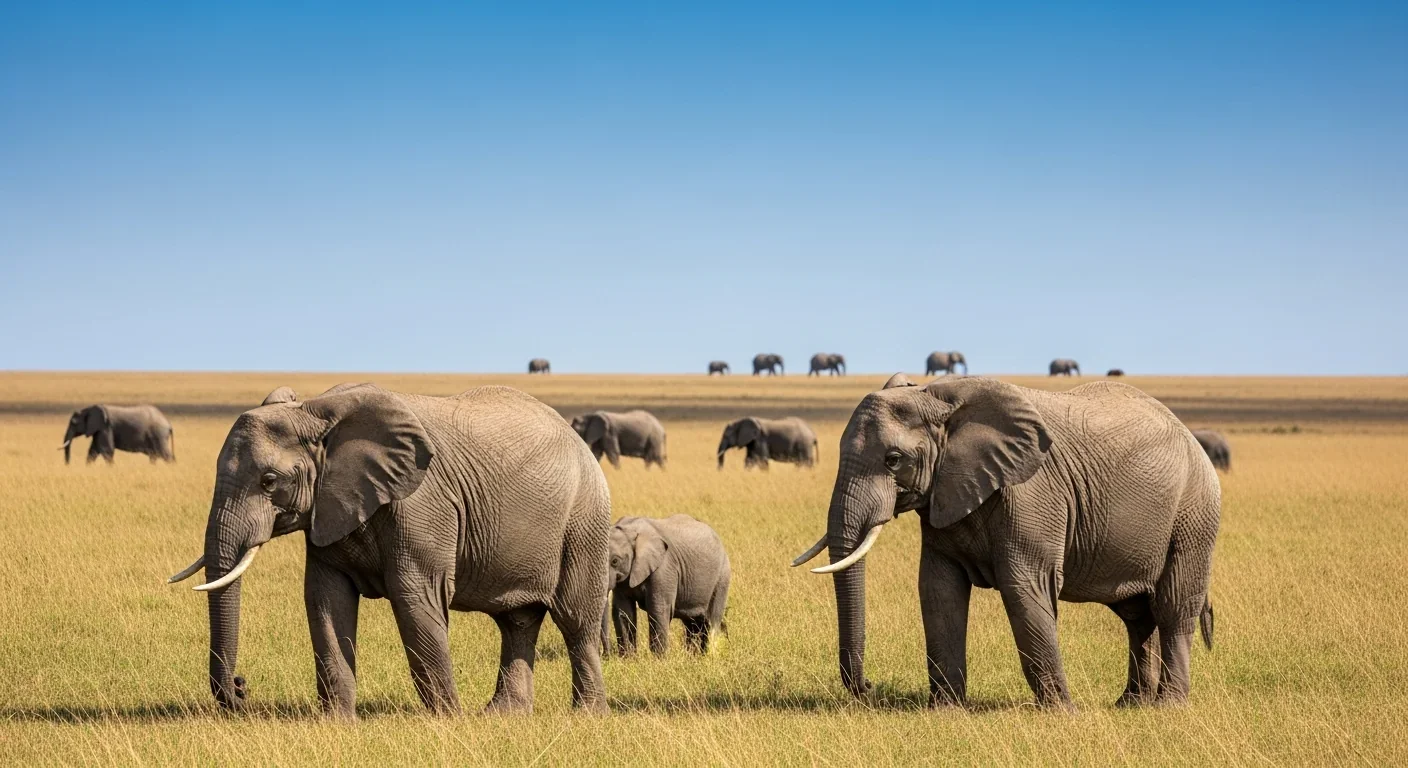
Field experiments have demonstrated just how sophisticated this distance discrimination can be. When researchers played predator alarm calls through speakers above ground, elephant herds immediately fled. But when the same alarm call was played through buried speakers, creating only seismic waves, the elephants stayed put. Why? The underground-only signal indicated a nearby threat, something already so close that running would be futile. The above-ground signal meant danger at a distance, with time to escape.
The vocabulary of seismic communication includes at least 70 different call types, each with specific meanings. There are greeting rumbles exchanged when family members reunite, mating calls that bulls use to advertise their presence to females miles away, and contact calls that help maintain herd cohesion when elephants spread out to forage.
"Let's go" rumbles coordinate group movement, with subtle variations indicating urgency and direction. Matriarchs use specific seismic calls to gather scattered family members, and these signals can penetrate dense vegetation where visual and even regular acoustic signals fail.
Research has documented "musth rumbles" - specialized calls bulls in breeding condition use to advertise their status. These powerful low-frequency calls travel exceptional distances through the ground, allowing bulls to avoid dangerous confrontations by assessing rivals from miles away.
Elephants possess a vocabulary of over 70 distinct seismic calls, from greeting rumbles to danger warnings, creating one of nature's most sophisticated underground communication networks.
The effectiveness of elephant seismic communication depends heavily on environmental conditions, a fact with profound implications for conservation efforts.
Soil type dramatically affects seismic wave propagation. Sandy soils transmit vibrations poorly, while clay-rich soils and rock formations can carry signals much farther. Moisture content matters too - the right amount of soil moisture enhances transmission, but waterlogged ground absorbs seismic energy.
This means elephant communication networks have geographical boundaries defined by geology. A herd might have excellent seismic communication across one valley but be cut off from elephants in an adjacent area with different soil composition. These natural communication boundaries likely influenced elephant evolution and continue to affect their social structures.
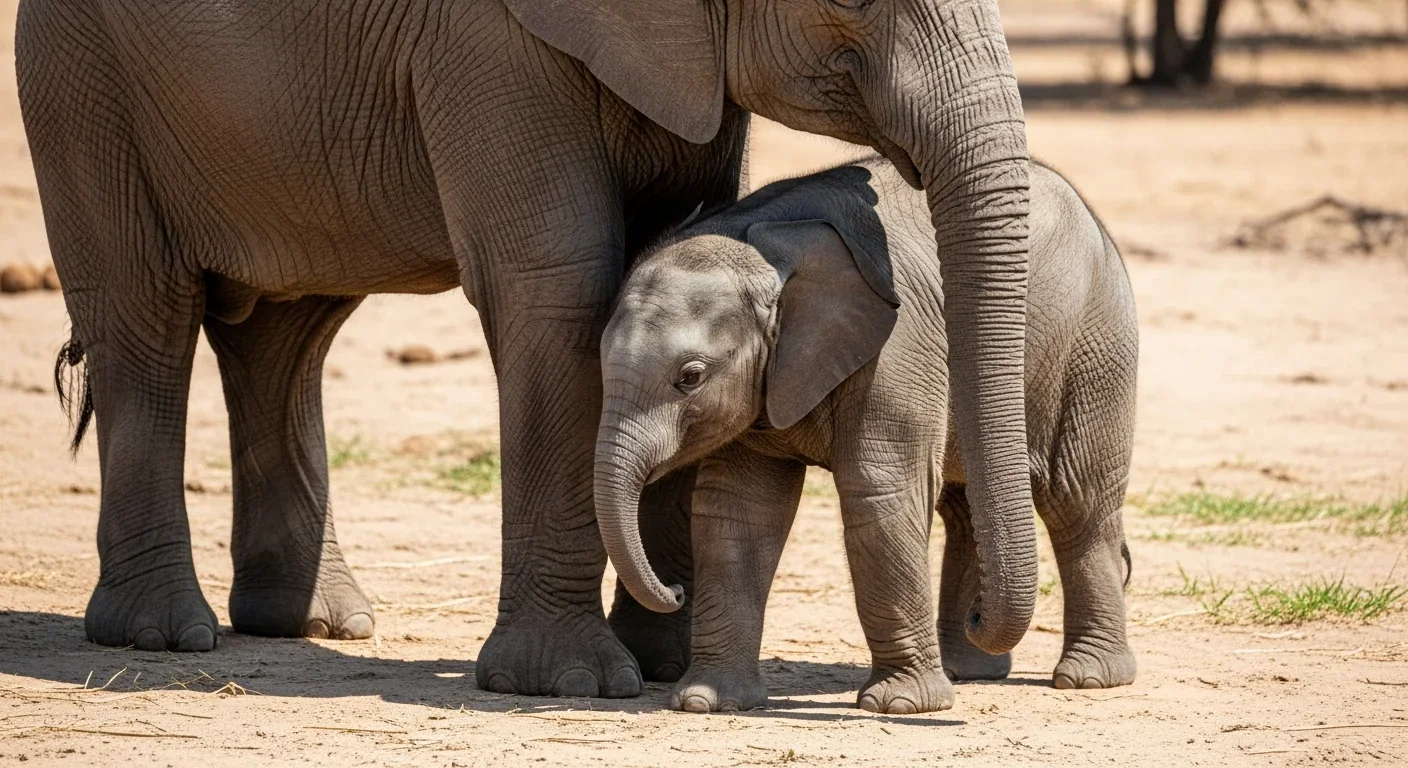
Human activities pose serious threats to these underground networks. Roads and railways can create seismic barriers, fragmenting communication networks. Vehicle traffic generates low-frequency noise pollution in exactly the frequency range elephants use for communication. Agricultural machinery, construction, and even wind farms create seismic interference that can mask elephant signals.
The implications for protected area design are significant. Traditional conservation approaches focused on preserving enough land for elephants to find food and water. But research now shows that preserves must also maintain seismic communication corridors. A protected area bisected by a busy highway might look sufficient on a map but could be splitting elephant societies in ways we're only beginning to understand.
Climate change adds another layer of complexity. Changing rainfall patterns affect soil moisture, potentially altering the range and reliability of seismic communication. Droughts that harden soil might extend communication ranges, while unusual flooding could temporarily cut off underground messaging networks.
The ability to communicate through the ground has shaped elephant society in profound ways. It enables the complex matriarchal social structure that defines elephant herds, allowing experienced females to coordinate and lead groups spread across vast territories.
During migrations, the lead matriarch uses seismic calls to maintain contact with stragglers, ensuring no family member gets left behind. When the herd splits to forage, low-frequency contact rumbles keep everyone connected even when visual contact is lost. These underground messages are particularly crucial during the dry season when elephants must spread out widely to find enough food.
Seismic communication also facilitates breeding. Female elephants in estrus produce special seismic calls that attract males from enormous distances. Multiple bulls might converge on a female from different directions, having "heard" her call through their feet from miles away. The males also use seismic signals to assess each other, potentially avoiding dangerous fights by determining dominance through long-distance rumble contests.
Perhaps most remarkably, seismic communication might help maintain bonds between groups that rarely meet. Related herds separated by dozens of miles could potentially stay in contact through the ground, coordinating movements to share resources or avoid overcrowding at water sources.
Young elephants must learn this underground language, and researchers have observed calves practicing their seismic detection skills. They'll freeze in place with one foot raised, mimicking adults, even when no obvious seismic signals are present. This learning process takes years, with calves gradually developing the ability to distinguish between different types of seismic calls and their meanings.
"It would be similar to counting the difference between thunder and lightning. Elephants triangulate signal origin by comparing when they hear versus feel the vibration."
- Dr. Caitlin O'Connell-Rodwell, Stanford University
Understanding elephant seismic communication opens new possibilities for conservation technology. Researchers are developing networks of seismic sensors that can monitor elephant populations by eavesdropping on their underground conversations. These systems can track elephant movements without invasive radio collaring, detect poaching activity, and even provide early warning to communities about approaching elephants.
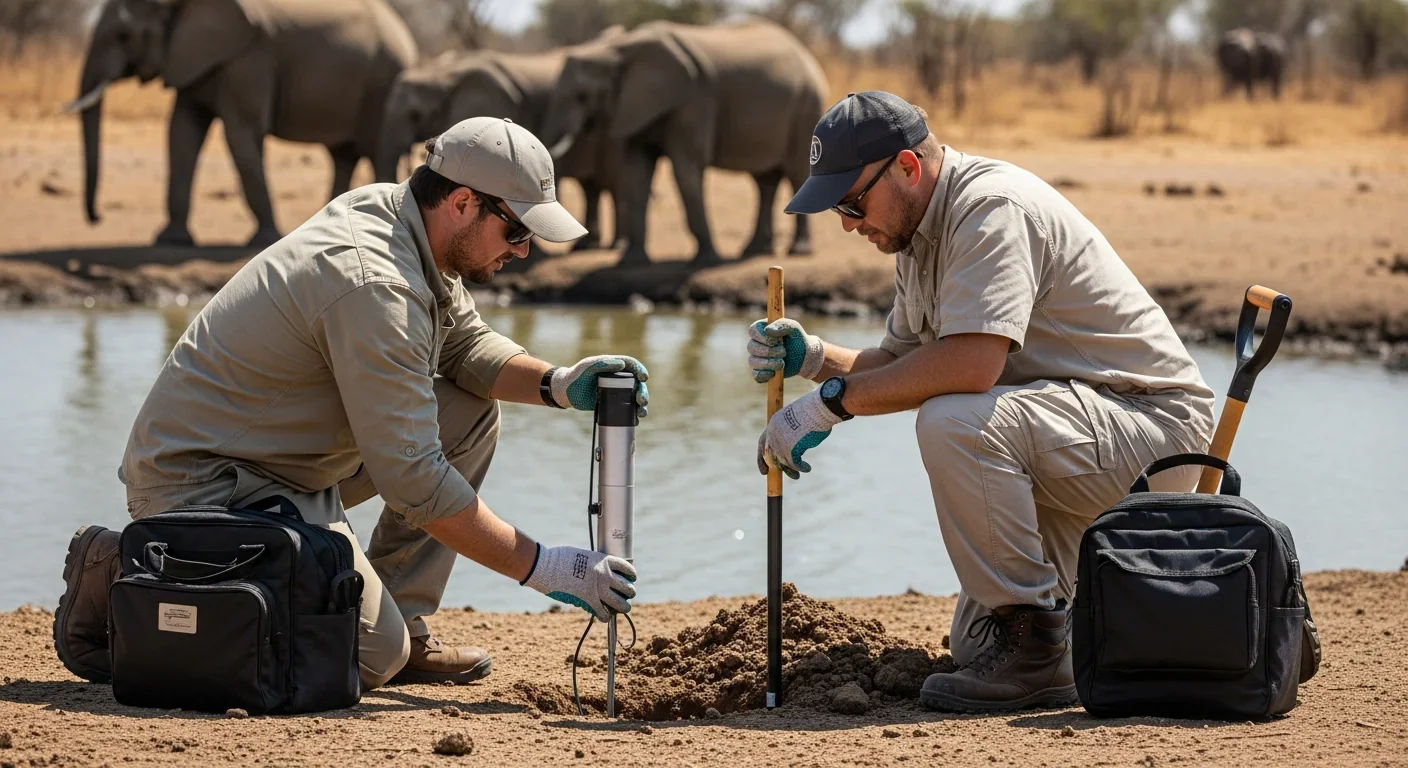
Machine learning algorithms are being trained to recognize different elephant seismic calls, potentially creating an automated system that could alert rangers to distress calls or unusual elephant behavior patterns. Some projects are exploring whether artificial seismic signals could guide elephants away from crops or dangerous areas, though this requires extreme caution to avoid disrupting natural communication.
For captive elephant management, understanding seismic communication is revolutionizing enclosure design. Zoos are beginning to consider substrate types that preserve seismic communication abilities, recognizing that concrete floors don't just cause foot problems - they also cut elephants off from a fundamental communication channel. Some facilities are experimenting with natural soil areas where elephants can send and receive seismic signals, potentially improving psychological well-being.
There's still much to learn. Scientists are investigating whether different elephant populations have seismic "dialects," how calves learn seismic communication, and whether Asian and African elephants can understand each other's underground messages. New research suggests that elephants might use seismic signals in ways we haven't yet discovered, possibly coordinating behaviors across entire ecosystems.
The discovery of elephant seismic communication reminds us how much of the natural world remains hidden from human perception. These magnificent animals have been conducting sophisticated underground conversations for millions of years, coordinating complex societies through a medium we only recently learned to detect.
As we face the challenge of preserving elephants for future generations, understanding their seismic communication isn't just fascinating science - it's essential conservation knowledge. Protecting elephants means more than preserving habitat; it means maintaining the invisible underground networks that bind elephant societies together.
The next time you see footage of elephants standing perfectly still, feet planted firmly on the ground, remember - they might be deep in conversation, exchanging messages through the earth itself. In a world where human noise increasingly drowns out nature's voices, elephants have been talking beneath the din all along, their conversations traveling through the planet itself, connecting families and friends across the vast landscapes they call home.
This underground network, hidden from our senses but central to elephant existence, offers a profound lesson. The natural world operates on channels we're only beginning to perceive. If elephants can maintain complex societies through ground vibrations, what other natural communication networks surround us, waiting to be discovered? As we work to protect these remarkable animals, we're not just preserving a species - we're safeguarding an entire system of underground communication that's been perfecting itself since long before humans walked the earth.
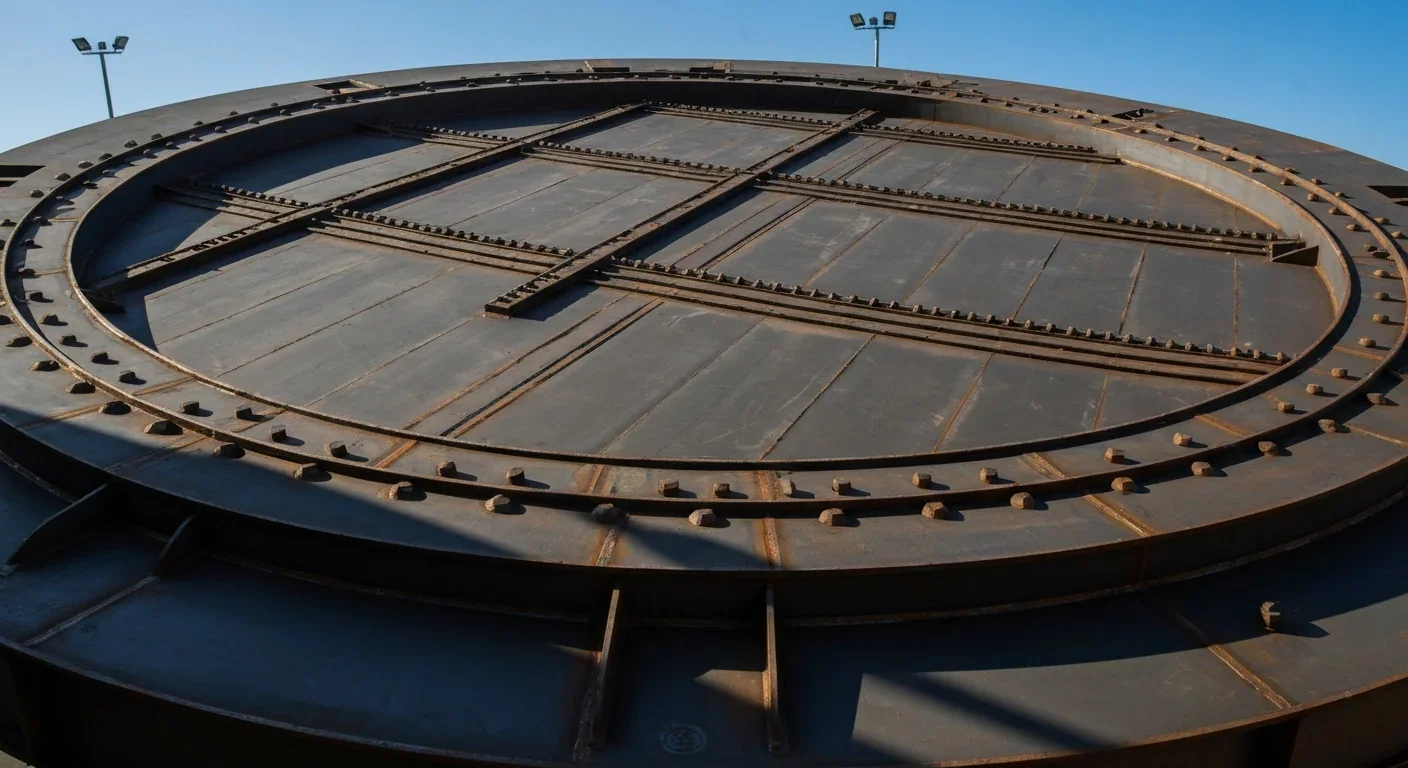
Project Orion was a real 1960s program to reach other stars by detonating 800 nuclear bombs behind a spacecraft. The physics worked and the engineering was feasible, but the 1963 nuclear test ban treaty killed it. It remains the most credible interstellar spacecraft ever designed.

The locus coeruleus, a tiny brainstem structure, degenerates decades before Alzheimer's symptoms appear. Its loss cripples the brain's inflammation control, waste clearance, and sleep regulation. New imaging tools and noradrenergic therapies offer hope for early detection and prevention.

Research shows the sharing economy often increases total resource consumption through the Jevons paradox and rebound effects. Ride-sharing adds billions of vehicle miles, co-working spaces use more energy per worker, and diffused responsibility erodes conservation behavior. Breaking the paradox requires congestion pricing, accountability design, and matching sharing models to appropriate resource types.

Psychological reactance theory explains why banning or restricting things makes people want them more. From Prohibition to the Streisand effect to scarcity marketing, research shows that threatening people's freedom reliably backfires, and autonomy-supportive communication is far more effective.
A carnivorous pitcher plant in Borneo evolved to house bats instead of trapping insects, gaining up to 95% of its nitrogen from bat guano. The plant even built an ultrasonic reflector to help bats find it, revealing that carnivory in plants is a flexible spectrum.

The quantified self movement began as a hacker-ethos pursuit of personal insight, but corporate wearables now funnel biometric data to employers, insurers, and data brokers. With 81% of Americans wrongly believing health apps are HIPAA-protected, a regulatory void enables health data to be sold for pennies while generating anxiety instead of empowerment.

CXL memory pooling lets servers dynamically share DRAM over a cache-coherent interconnect, eliminating the 40% stranded memory waste in data centers. With commercial hardware now shipping and Azure deploying CXL cloud instances, this technology promises to cut memory costs by 50% while enabling composable infrastructure.

Loading featured articles...