Carnivorous Plant Farms Bat Poop Instead of Eating
TL;DR: Cuttlefish control their buoyancy using a cuttlebone, an internal chambered shell that pumps liquid in and out via osmotic gradients. This 500-million-year-old design achieves 93% porosity while resisting ocean pressure, and is now inspiring biomimetic materials and underwater robotics.
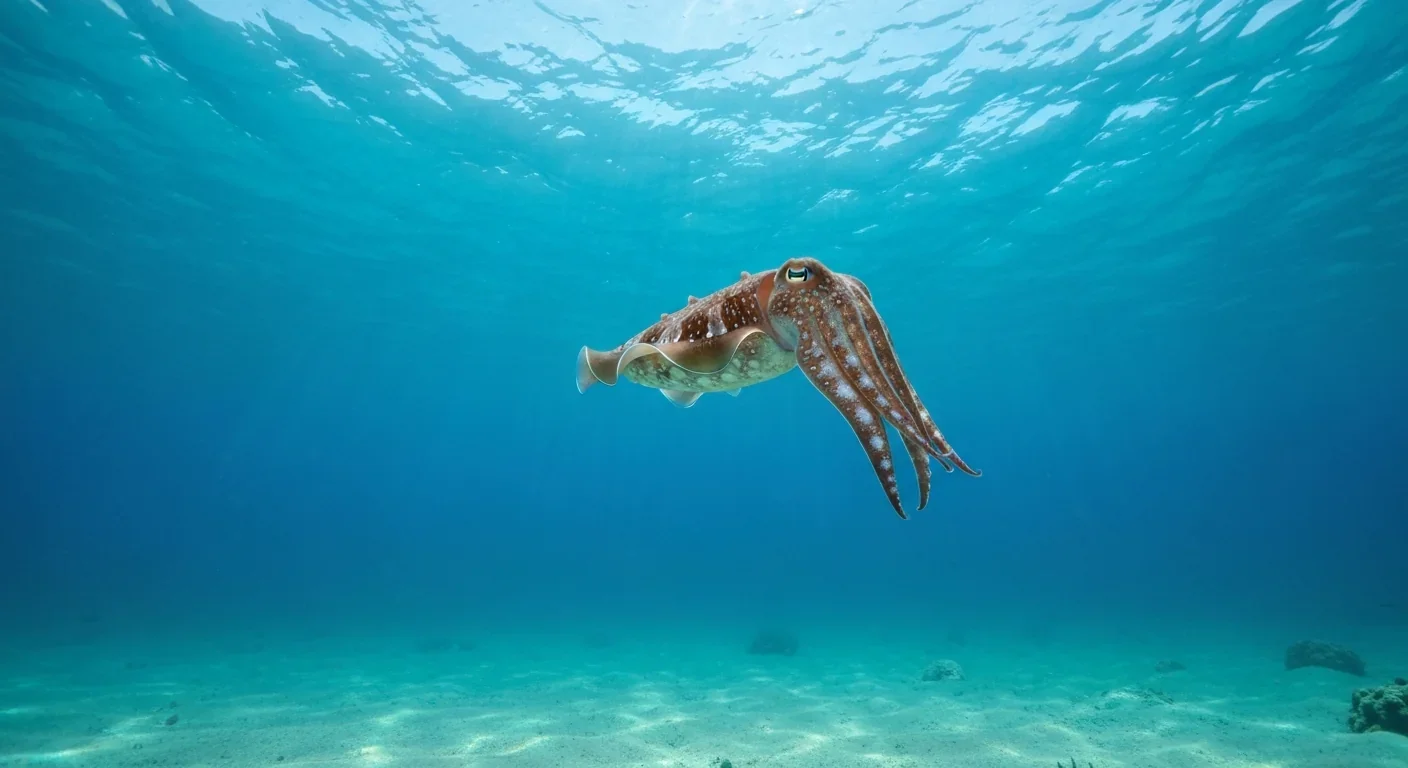
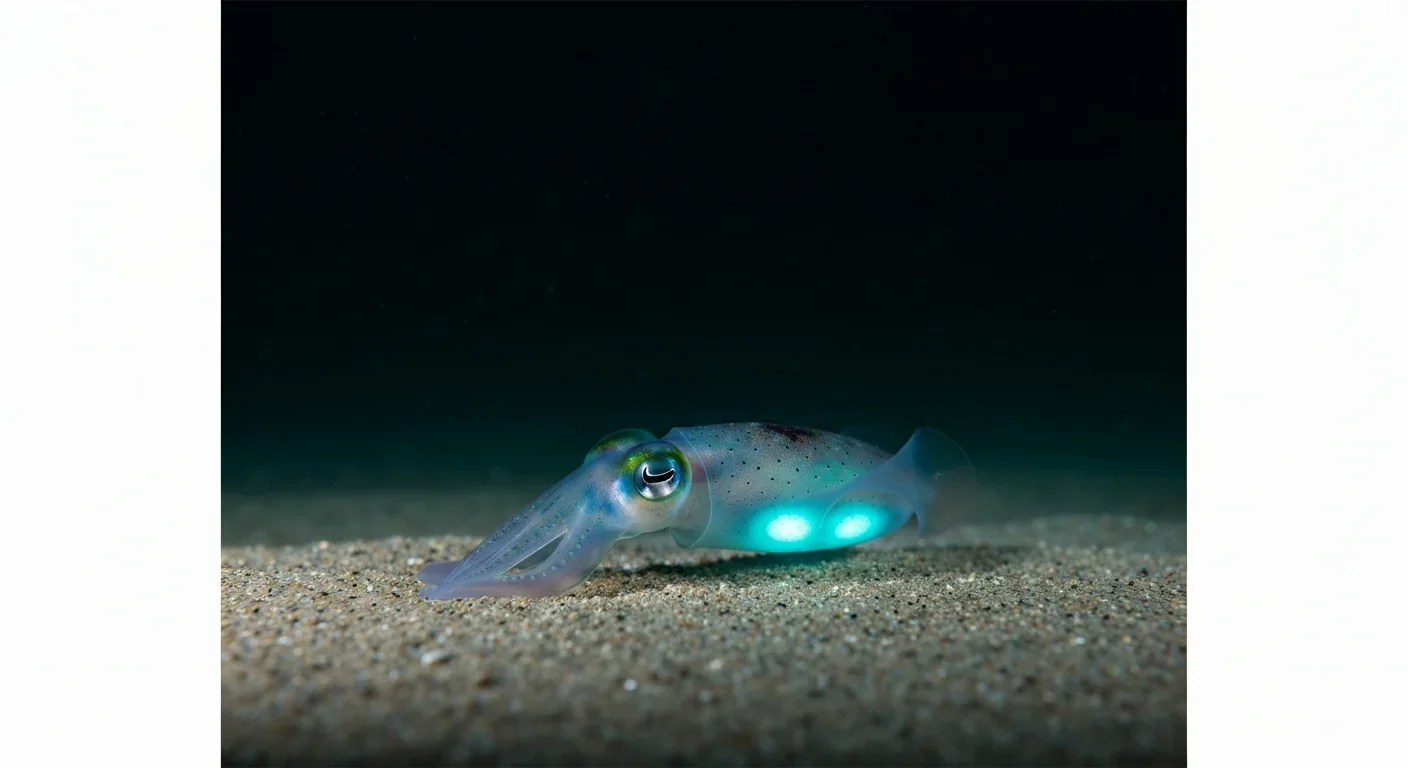
Long before any engineer sketched a ballast tank on a napkin, cuttlefish were already rising and sinking through the ocean with a precision that would make a submarine commander jealous. Their secret? A piece of internal architecture called the cuttlebone, a chambered shell so elegantly designed that materials scientists are still trying to figure out how to copy it. This isn't some crude gas bag like a fish's swim bladder. It's a rigid, pressure-resistant structure packed with hundreds of tiny chambers, each one individually controlled by an osmotic pumping system that moves liquid in and out without burning much energy at all. And the whole thing is built from calcium carbonate, one of the cheapest building materials on the planet.
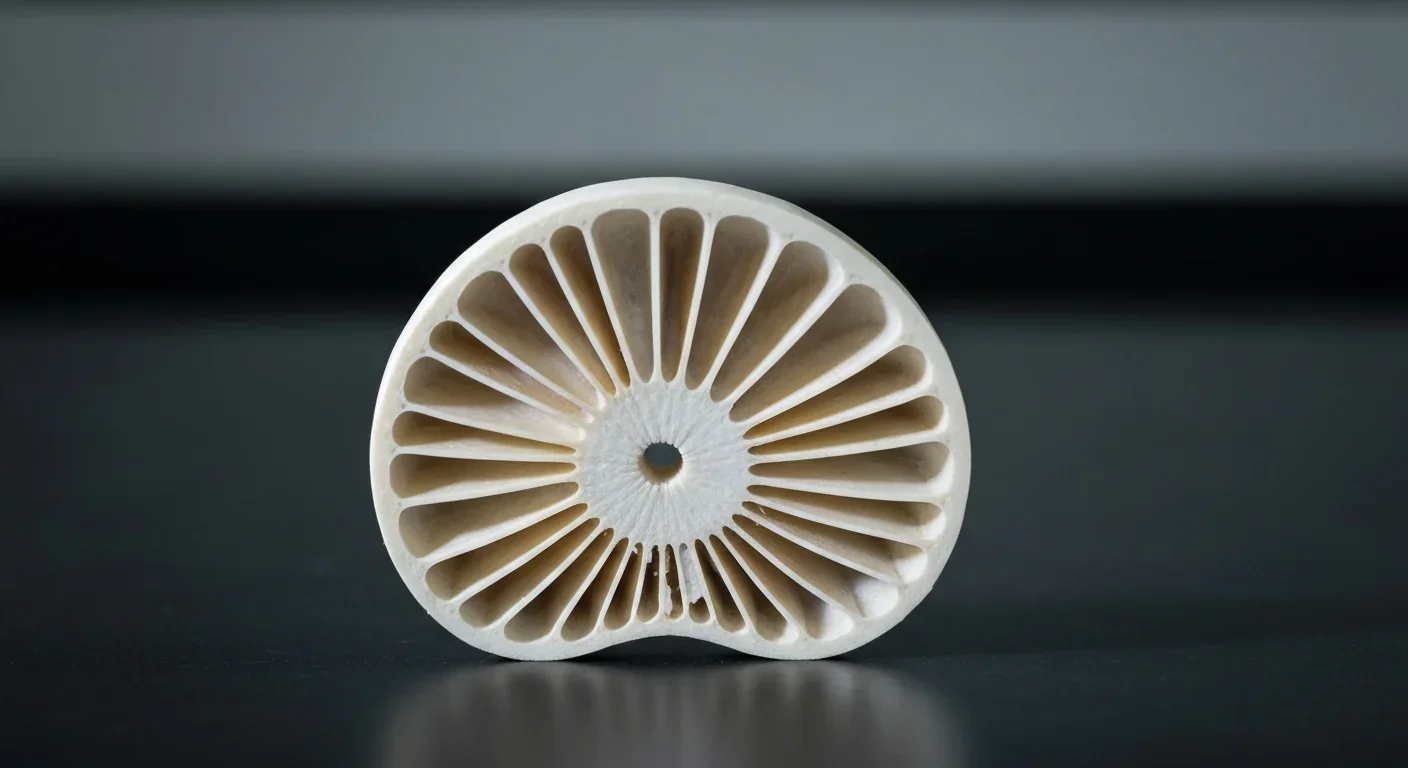
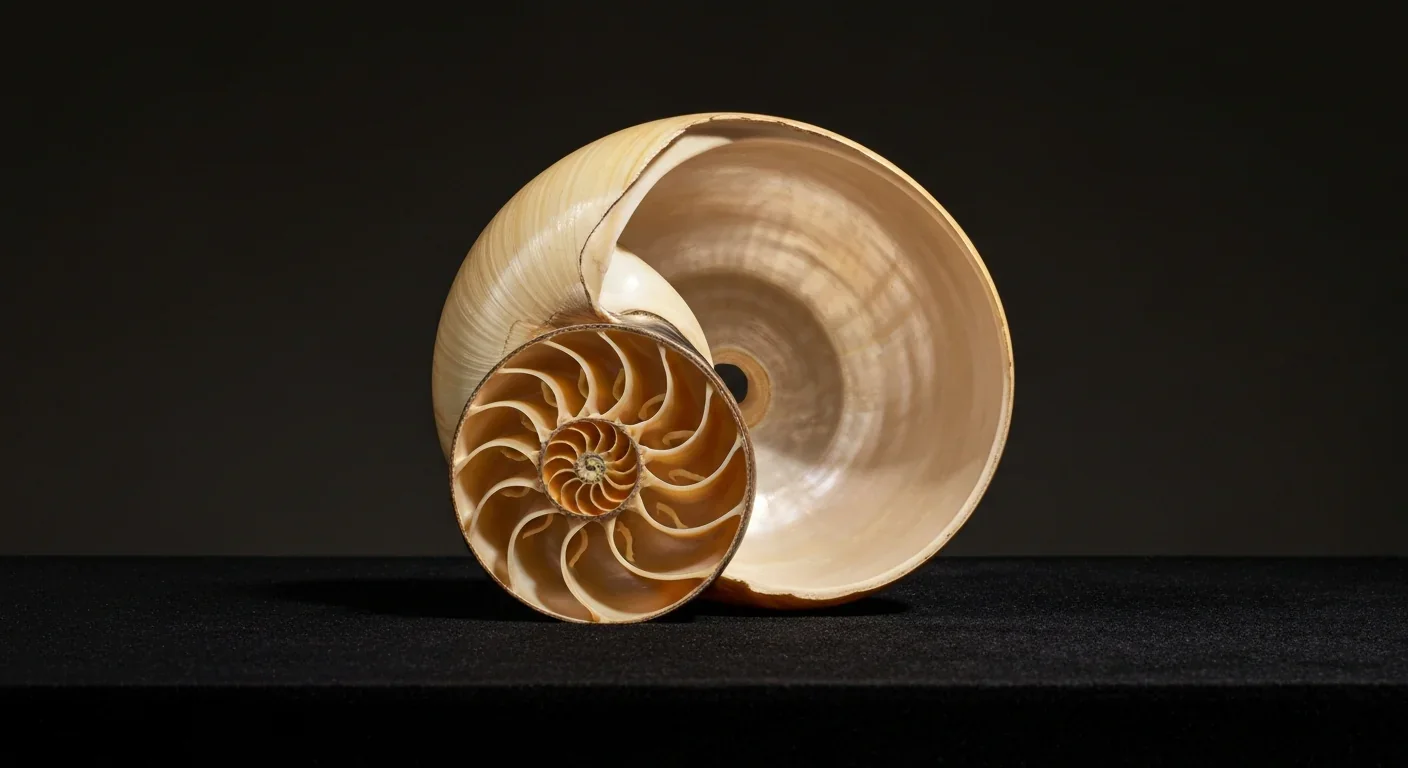
The name "cuttlebone" is a bit misleading. It's not bone at all. It's the internalized remnant of what was once an external shell, and it's made almost entirely of aragonite, a crystalline form of calcium carbonate. About 95% aragonite and 5% organic material, to be precise. What makes it extraordinary is the internal architecture: hundreds of narrow chambers stacked horizontally and separated by thin calcified walls called septa. Vertical pillars connect the septa, creating a lattice that looks surprisingly similar to an engineered honeycomb structure.
The numbers here are staggering. The cuttlebone achieves a porosity of up to 93%, meaning it's mostly empty space. Those vertical pillars holding everything together? They're only about 10 micrometers thick, roughly a tenth of the width of a human hair. And yet this gossamer framework can withstand the crushing pressure of seawater at depth. That's not an accident. It's the result of roughly 500 million years of evolutionary refinement.
The cuttlebone is 93% empty space, built from pillars just 10 micrometers thick, yet it resists crushing ocean pressure. It's one of the most efficient structural designs in all of biology.
Here's where it gets really clever. Sitting along the ventral surface of the cuttlebone is a strip of living tissue called the siphuncle. Think of it as a biological control valve that connects to every single chamber in the cuttlebone. When the cuttlefish needs to sink, the siphuncle pumps fluid into the chambers, making the animal heavier. When it needs to rise, it pumps fluid out, and gas, mostly nitrogen at sub-atmospheric pressure, fills the space left behind.
But unlike a submarine that uses mechanical pumps and compressed air, the cuttlefish runs this entire operation on osmotic gradients. The siphuncle's epithelial cells actively transport sodium and potassium ions across their membranes using Na+/K+-ATPase enzymes. This creates a concentration difference that pulls water out of the chambers through osmosis. It's essentially a battery-powered molecular pump, and it works so well that the common cuttlefish, Sepia officinalis, can adjust its buoyancy to within about 0.5% of neutral. That level of precision means the animal can hover motionless in the water column without expending any energy on swimming.
The process isn't fast, though. In the closely related nautilus, fully emptying and refilling a single chamber can take four to five months. Cuttlefish are considerably quicker because their siphuncle is modified and spread across the entire ventral surface rather than running as a narrow tube through each chamber. But even so, this is a system designed for gradual, energy-efficient buoyancy trimming rather than rapid vertical sprints.
To understand the cuttlebone, you have to look back about 500 million years to the Cambrian period, when the first cephalopods appeared with straight, cone-shaped external shells divided into chambers. These early nautiloids were the original submarine builders. A tube of living tissue, the siphuncle, ran through the septa connecting all chambers, allowing the animal to regulate buoyancy by controlling the balance of liquid and gas inside.
The nautilus, that living fossil still cruising deep Pacific waters, preserves this ancient design almost unchanged. Its external shell can handle depths exceeding 700 meters because thick, externally reinforced nacre layers provide enormous compressive strength. But there's a trade-off: the shell is heavy and hydrodynamically awkward. The nautilus is a competent swimmer, but it's no speed demon.
Cuttlefish took a different evolutionary path. Sometime during the Mesozoic era, their ancestors began internalizing the shell, tucking it inside the mantle where it wouldn't create drag. This gave cuttlefish the streamlined body that makes them such agile predators. The cost was structural: an internal shell can't be as thick or as reinforced as an external one. Cuttlebones implode at depths between 200 and 600 meters, depending on the species. That's a real ceiling, and it explains why cuttlefish are creatures of coastal shelves and shallow seas rather than the open deep.
"The comparison of nautiloid external chambered shells with cuttlebone internal chambers emphasizes an evolutionary trend of internalization of buoyancy structures in cephalopods, combining the benefits of lightweight aragonite with efficient fluid transport."
- Nautiloid evolutionary analysis, Grokipedia
Still, this was a smart trade. Most of the ocean's productivity happens in shallow water anyway. By sacrificing depth range for speed and maneuverability, cuttlefish gained access to rich hunting grounds in coral reefs, seagrass meadows, and sandy bottoms where their legendary camouflage abilities give them a decisive edge.
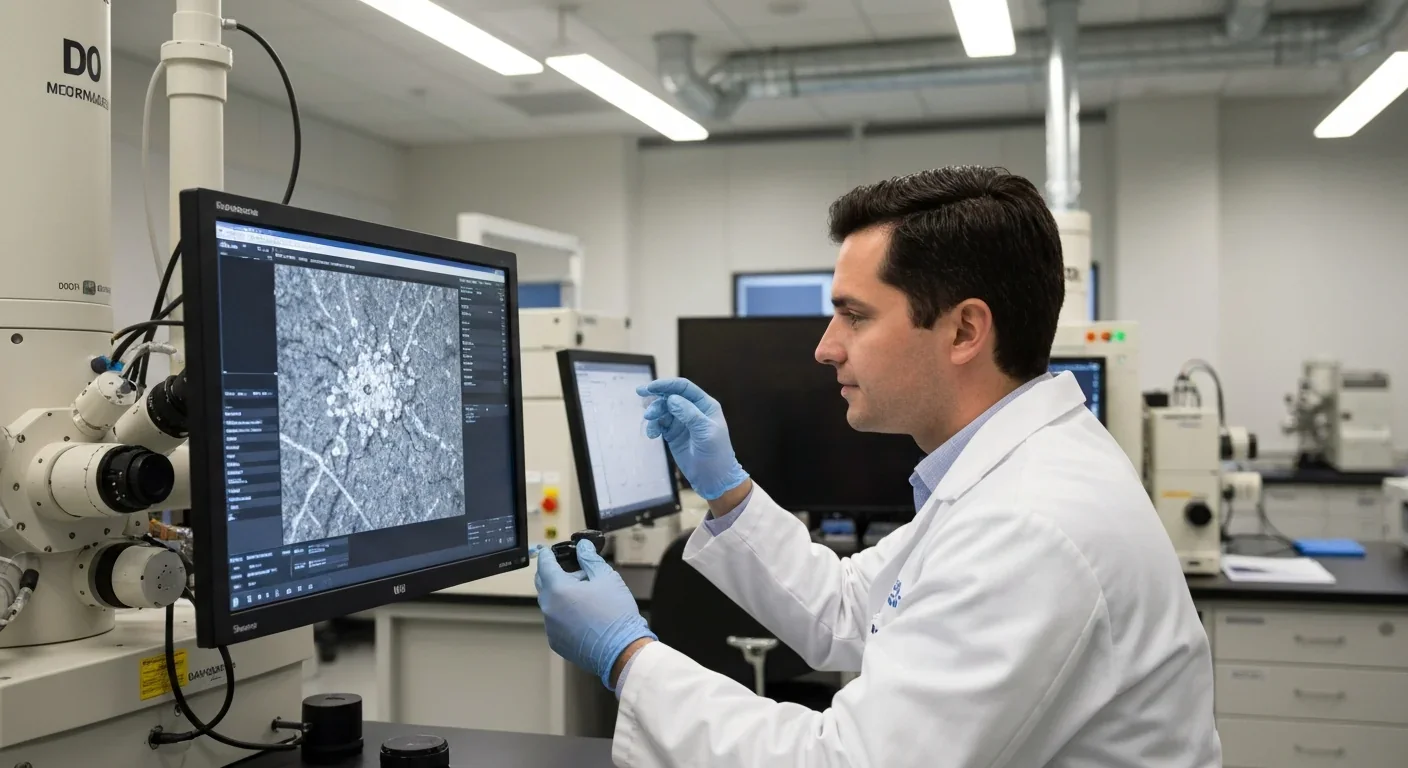
In 2020, a team led by Ling Li at Virginia Tech published research that finally explained why the cuttlebone is so much tougher than you'd expect from something made of brittle calcium carbonate. Using synchrotron-based micro-CT scanning at Argonne National Laboratory, they produced high-resolution 3D images of the internal structure and then subjected samples to mechanical testing.
What they found was a masterclass in structural engineering. The vertical walls connecting the septa aren't straight. They're wavy, with a corrugated pattern that varies in amplitude from the center of each chamber toward the edges. This waviness isn't random. It controls exactly where and how the structure fails under pressure.
When a cuttlebone is compressed, the wavy walls buckle and fracture in the middle of the wall, but the septa above and below remain intact. This means the structure fails chamber by chamber, absorbing energy progressively rather than collapsing all at once. Li's team described this as a "sweet spot" of waviness, where too much corrugation would reduce stiffness and too little would make the structure brittle. Evolution, through millions of generations of selection pressure, landed precisely on the optimal geometry.
Ling Li's team at Virginia Tech discovered that cuttlebone walls sit at a "sweet spot" of waviness, optimizing the balance between stiffness and toughness through chamber-by-chamber progressive failure.
The mechanical performance is remarkable. The cuttlebone's wall-and-pillar microstructure shows superior energy absorption compared to synthetic lattice structures of similar density. Remember, this is a structure that's 93% empty space, built from a mineral that shatters when you drop it on the floor. The architecture turns a mediocre material into an exceptional one.
Cuttlefish aren't the only animals dealing with buoyancy, but their solution stands out for its elegance. Fish with swim bladders take a simpler approach: they inflate a gas-filled sac by secreting dissolved gases from their blood, and deflate it by reabsorbing gas. It works, but it's slow at extreme depth changes and vulnerable to rapid pressure shifts. A fish hauled up from deep water by a fishing line will often have its swim bladder burst through its mouth because the gas expands faster than the fish can reabsorb it.
Sharks and rays, lacking swim bladders entirely, rely on a combination of oil-rich livers and dynamic lift from their pectoral fins. This means they have to keep swimming to avoid sinking, an energetically expensive lifestyle.
The nautilus uses the closest analogue to the cuttlebone: an external chambered shell with a siphuncle running through it. The physics are essentially the same, osmotic pumping to control chamber fluid levels, but the external shell's greater thickness allows it to operate at much greater depths. The trade-off is bulk and drag.
What makes the cuttlebone unique is the combination: rigid chambers that resist crushing, an osmotic pump that requires minimal energy, an internal placement that preserves hydrodynamic performance, and a microstructure that absorbs damage gracefully. No single feature is unprecedented. The combination is.
Engineers have taken notice. The cuttlebone's ability to be simultaneously lightweight, stiff, and damage-tolerant is exactly the combination needed for everything from aerospace panels to body armor. Researchers are already developing cuttlebone-inspired biomimetic ceramic foams that mimic the wall-and-pillar architecture using 3D printing and sintering techniques.
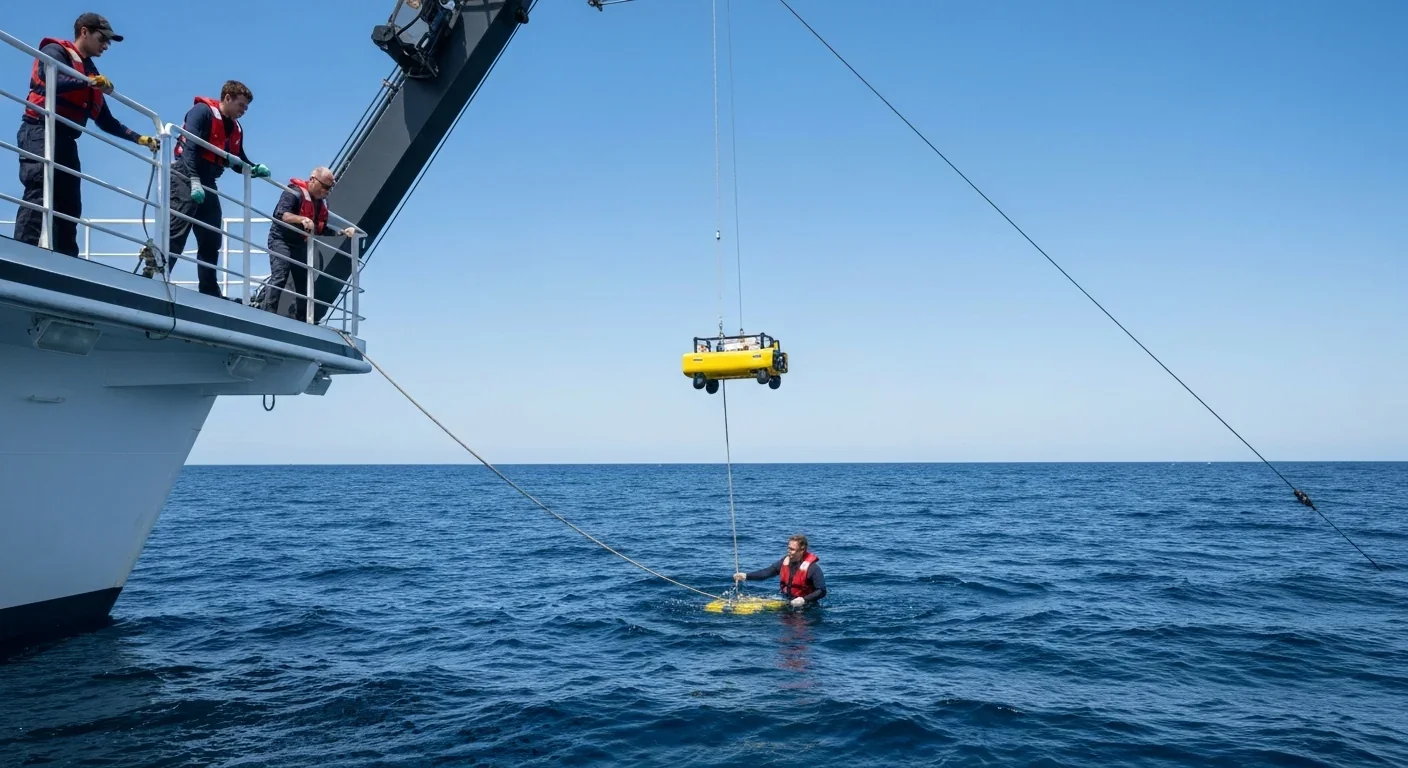
The siphuncle's osmotic pumping mechanism has also attracted attention from robotics engineers. Autonomous underwater vehicles currently use mechanical ballast systems that are heavy, energy-hungry, and prone to failure. A bio-inspired osmotic buoyancy system could, in theory, allow a submersible to adjust its depth using very little power, dramatically extending mission duration. The challenge is replicating the efficiency of the siphuncle's ion transport at engineering scales, something that remains an active area of research.
In materials science, the plywood-like sublayer of the cuttlebone's septa has inspired research into layered composites where crystal orientation varies between layers. This nanorod "plywood" structure provides crack resistance by forcing fractures to change direction as they move through the material, a principle already used in some advanced ceramics but never with the elegance that evolution achieved in aragonite.
Bone tissue engineering is another frontier. The cuttlebone's high porosity and calcium carbonate composition make it a natural scaffold for bone regeneration, and several research groups are exploring whether cuttlebone-derived materials could serve as templates for growing new bone tissue in patients with fractures or degenerative diseases.
"The wall-septa design gives control of where and how damage occurs in the shell."
- Ling Li, Virginia Tech
There's a bigger lesson here that goes beyond cuttlefish biology or materials science. The cuttlebone represents what happens when a design problem is iterated on for half a billion years under extreme selection pressure. Every feature, from the waviness of the walls to the porosity of the septa to the ion channels in the siphuncle, is the result of countless generations of organisms that lived or died based on how well their buoyancy system worked.
Human engineers typically solve problems by adding complexity: more systems, more redundancy, more moving parts. The cuttlebone goes the other direction. It achieves extraordinary performance through geometry alone, using the cheapest possible materials arranged in the smartest possible way. The walls are corrugated at exactly the right amplitude. The chambers are spaced at exactly the right intervals. The siphuncle moves ions with exactly the right efficiency.
Within the next decade, you'll likely encounter materials and machines inspired by this small, chalky structure that most people only know as a budgie toy. The cuttlefish has been building better submarines than we have for roughly 500 million years. It's about time we started paying attention.
Project Orion was a real 1960s program to reach other stars by detonating 800 nuclear bombs behind a spacecraft. The physics worked and the engineering was feasible, but the 1963 nuclear test ban treaty killed it. It remains the most credible interstellar spacecraft ever designed.
The locus coeruleus, a tiny brainstem structure, degenerates decades before Alzheimer's symptoms appear. Its loss cripples the brain's inflammation control, waste clearance, and sleep regulation. New imaging tools and noradrenergic therapies offer hope for early detection and prevention.

Research shows the sharing economy often increases total resource consumption through the Jevons paradox and rebound effects. Ride-sharing adds billions of vehicle miles, co-working spaces use more energy per worker, and diffused responsibility erodes conservation behavior. Breaking the paradox requires congestion pricing, accountability design, and matching sharing models to appropriate resource types.

Psychological reactance theory explains why banning or restricting things makes people want them more. From Prohibition to the Streisand effect to scarcity marketing, research shows that threatening people's freedom reliably backfires, and autonomy-supportive communication is far more effective.
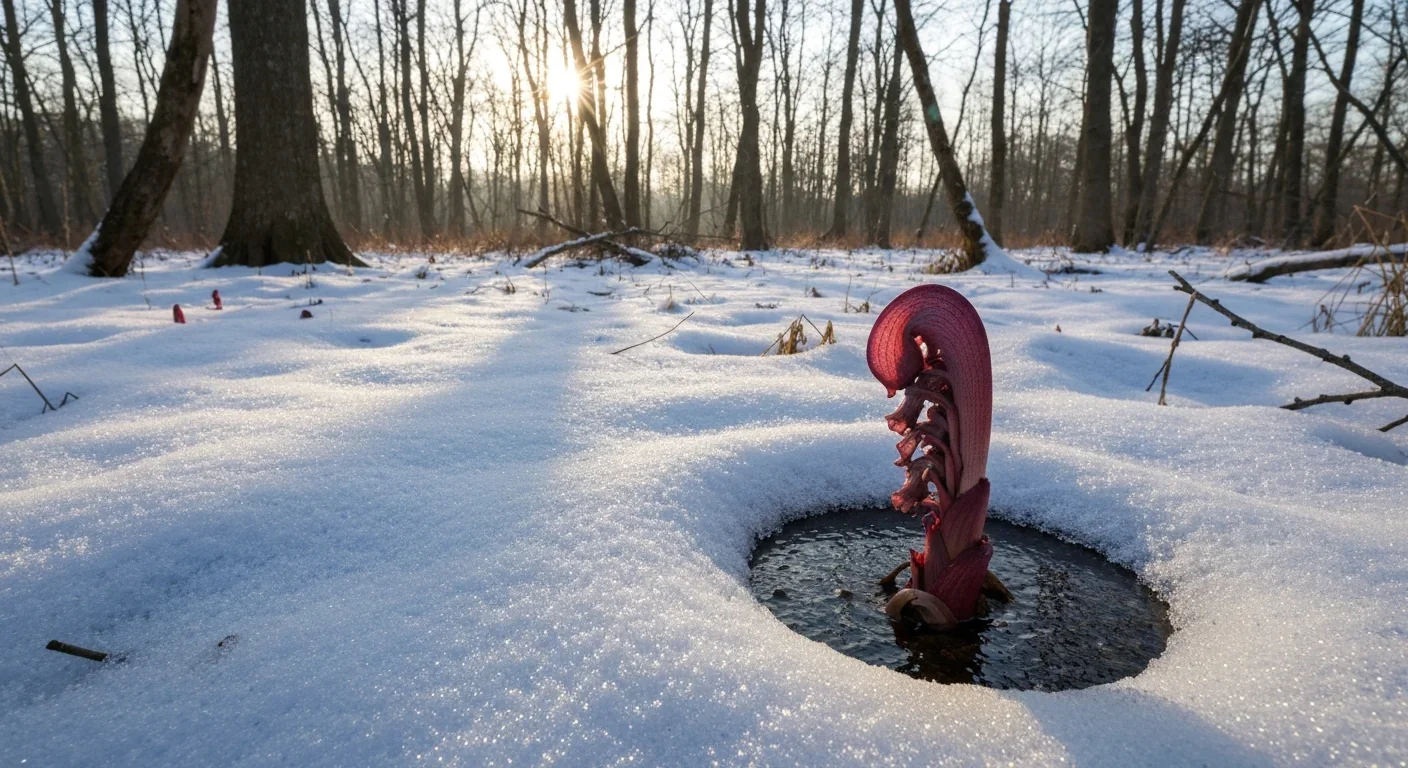
A carnivorous pitcher plant in Borneo evolved to house bats instead of trapping insects, gaining up to 95% of its nitrogen from bat guano. The plant even built an ultrasonic reflector to help bats find it, revealing that carnivory in plants is a flexible spectrum.

The quantified self movement began as a hacker-ethos pursuit of personal insight, but corporate wearables now funnel biometric data to employers, insurers, and data brokers. With 81% of Americans wrongly believing health apps are HIPAA-protected, a regulatory void enables health data to be sold for pennies while generating anxiety instead of empowerment.

CXL memory pooling lets servers dynamically share DRAM over a cache-coherent interconnect, eliminating the 40% stranded memory waste in data centers. With commercial hardware now shipping and Azure deploying CXL cloud instances, this technology promises to cut memory costs by 50% while enabling composable infrastructure.

Loading featured articles...