Carnivorous Plant Farms Bat Poop Instead of Eating
TL;DR: Parasitic wasps don't just lay eggs inside hosts. They actively rewrite the host's gut microbiome using venom, polydnaviruses, and stolen bacterial genes, with implications for agriculture, antibiotic development, and human microbiome medicine.
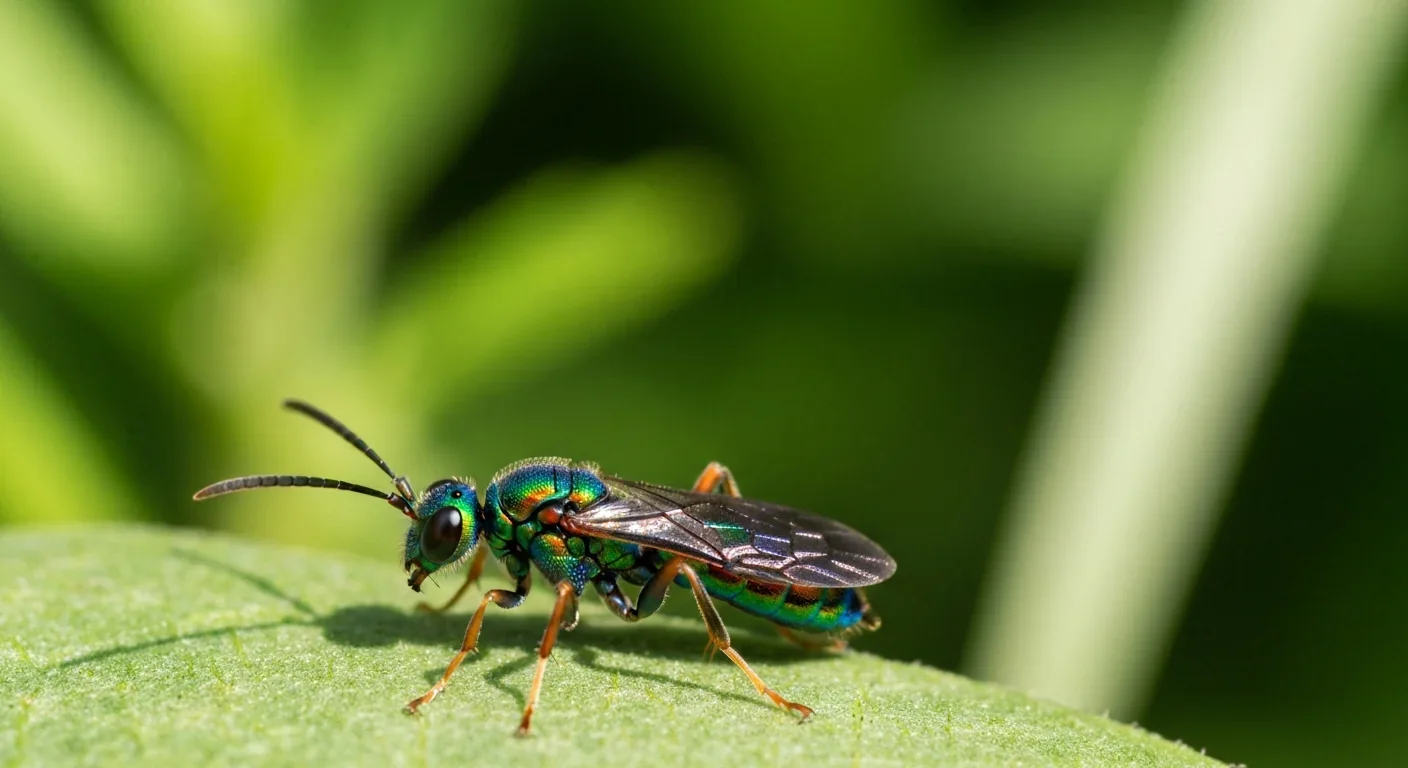
Imagine a world where the invader doesn't storm the castle walls but instead corrupts the castle's own supply chains, turning defenders into accomplices. That's essentially what parasitic wasps do, and they've been perfecting this strategy for over 100 million years. These insects don't simply lay eggs inside unsuspecting hosts and hope for the best. New research reveals they actively reprogram the bacterial communities living inside their victims, engineering a microbial environment that feeds their offspring while dismantling the host's ability to fight back. The implications stretch far beyond entomology, touching agriculture, medicine, and our fundamental understanding of how organisms manipulate the invisible ecosystems within other living things.
For decades, scientists knew parasitoid wasps were sophisticated manipulators. They inject venom that paralyzes hosts. They carry viruses that shut down immune systems. But the idea that they also reshape the host's gut microbiome, the trillions of bacteria that regulate digestion, immunity, and metabolism, is relatively new, and it's proving to be one of the most fascinating frontiers in biology.
A 2022 study published in Frontiers in Nutrition examined what happens inside cotton aphids parasitized by the braconid wasp Binodoxys communis. The results were striking: within just 8 hours of parasitism, the abundance of Buchnera, the aphid's primary bacterial symbiont, increased by 26%. By 16 hours, it had jumped by 63%. The wasp wasn't just tolerating the host's bacteria. It was amplifying them, co-opting the aphid's own microbial partners to produce the essential amino acids its developing larvae needed.
This isn't a fluke observation. Research from the Bordenstein Lab has documented phylosymbiosis in Nasonia wasps, showing that gut bacterial communities track the evolutionary relationships between wasp species. The microbiome isn't a passive bystander in parasitism. It's an active battleground.
Within 16 hours of parasitism, the wasp amplified its host's primary bacterial symbiont by 63%, effectively co-opting the aphid's own microbes to feed its developing larvae.
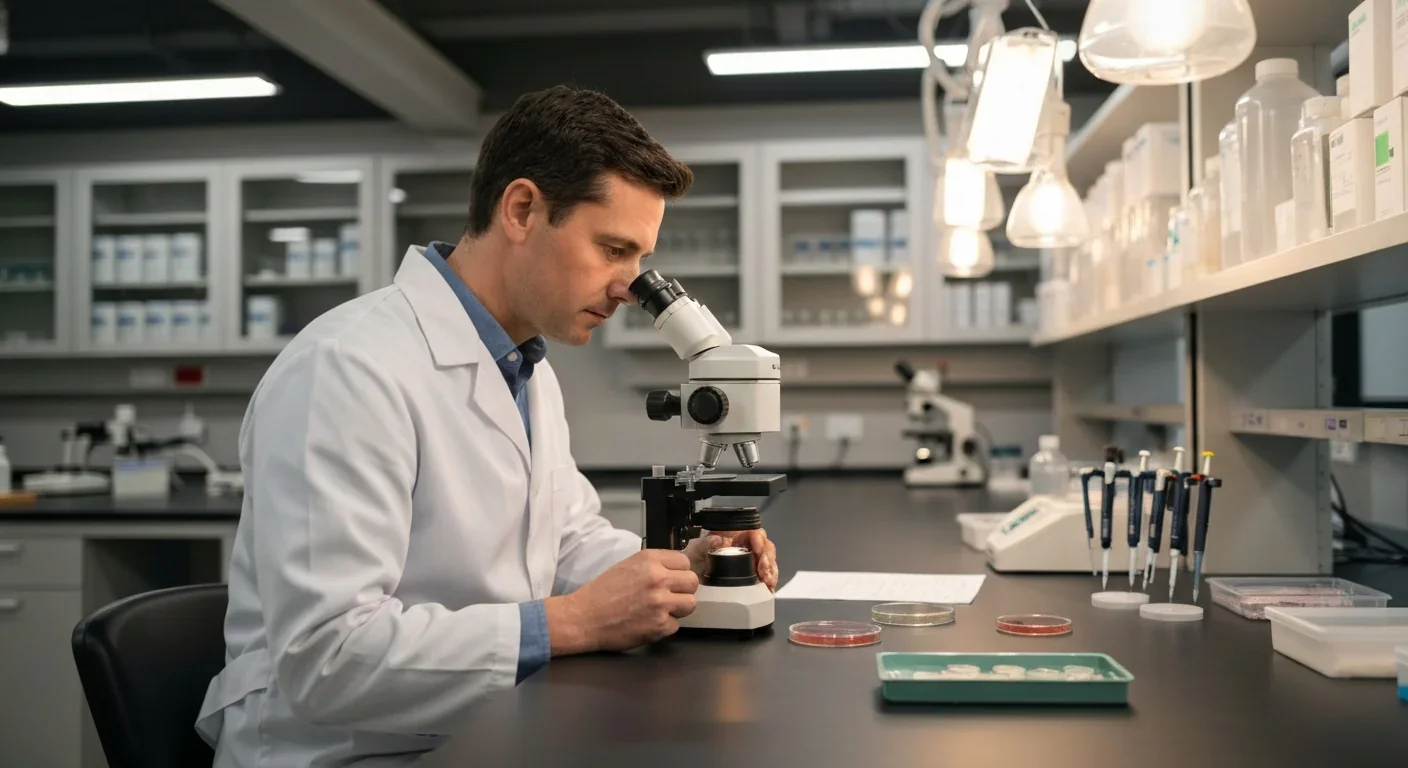
To appreciate how parasitic wasps became nature's most sophisticated microbiome engineers, you need to understand the scale of time involved. Polydnaviruses, the viral tools that braconid and ichneumonid wasps use to suppress host immunity, have been co-evolving with their wasp partners for roughly 100 million years. These aren't ordinary viruses. Their genomes are literally woven into the wasp's own DNA, replicated only in the female's ovaries, and injected alongside eggs during parasitism.
Just as the printing press didn't merely distribute information but restructured entire societies around literacy, these viral partnerships didn't just help wasps survive. They transformed the fundamental relationship between parasites and hosts. Before polydnaviruses, a parasitoid egg dropped into a caterpillar was essentially a sitting duck for the host's immune cells. Hemocytes, the insect equivalent of white blood cells, would encapsulate and kill the foreign intruder. With polydnaviruses, the wasp gained a molecular toolkit that could disable hemocytes, suppress melanization, and inhibit antiviral peptides, effectively blinding the host's immune system.
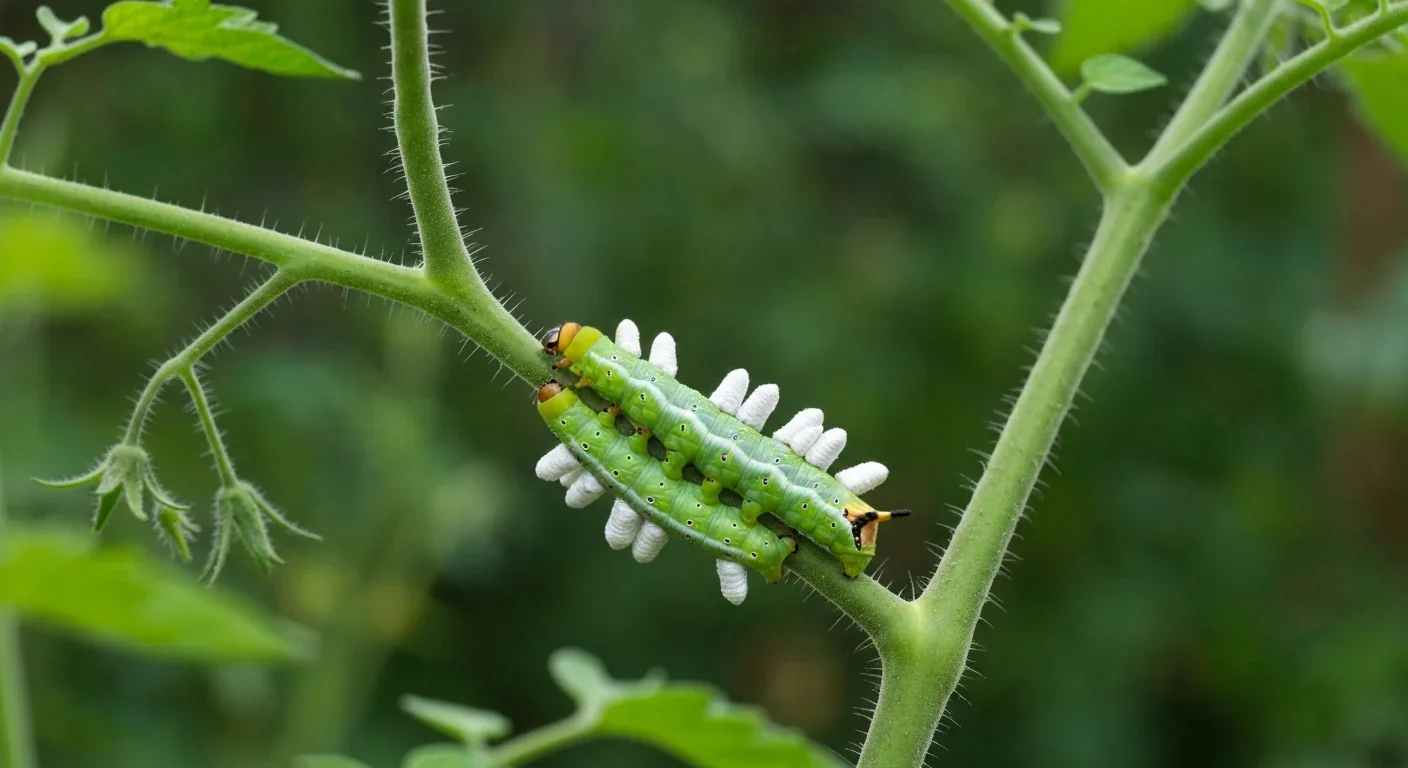
The braconid wasp Cotesia congregata demonstrates this system beautifully. When a female parasitizes a tobacco hornworm caterpillar, she injects polydnaviruses with one of the largest viral genomes ever documented: 567,670 base pairs across 30 circular DNA molecules. Each ovary produces over 600 nanograms of viral DNA, and approximately 0.1 nanograms accompanies every egg. The result is total developmental arrest in the host, redirecting energy toward producing nutrients for the developing wasp larvae.
But here's what makes recent discoveries so compelling: immune suppression doesn't happen in isolation. When you shut down a host's immune defenses, you also fundamentally change the environment for every microorganism living inside that host. The gut microbiome, which depends on immune surveillance to maintain its balance, suddenly finds itself in uncharted territory.
"Polydnaviruses are a unique group of insect viruses that have a mutualistic relationship with some parasitic wasps."
- Wikipedia, Parasitoid Wasp
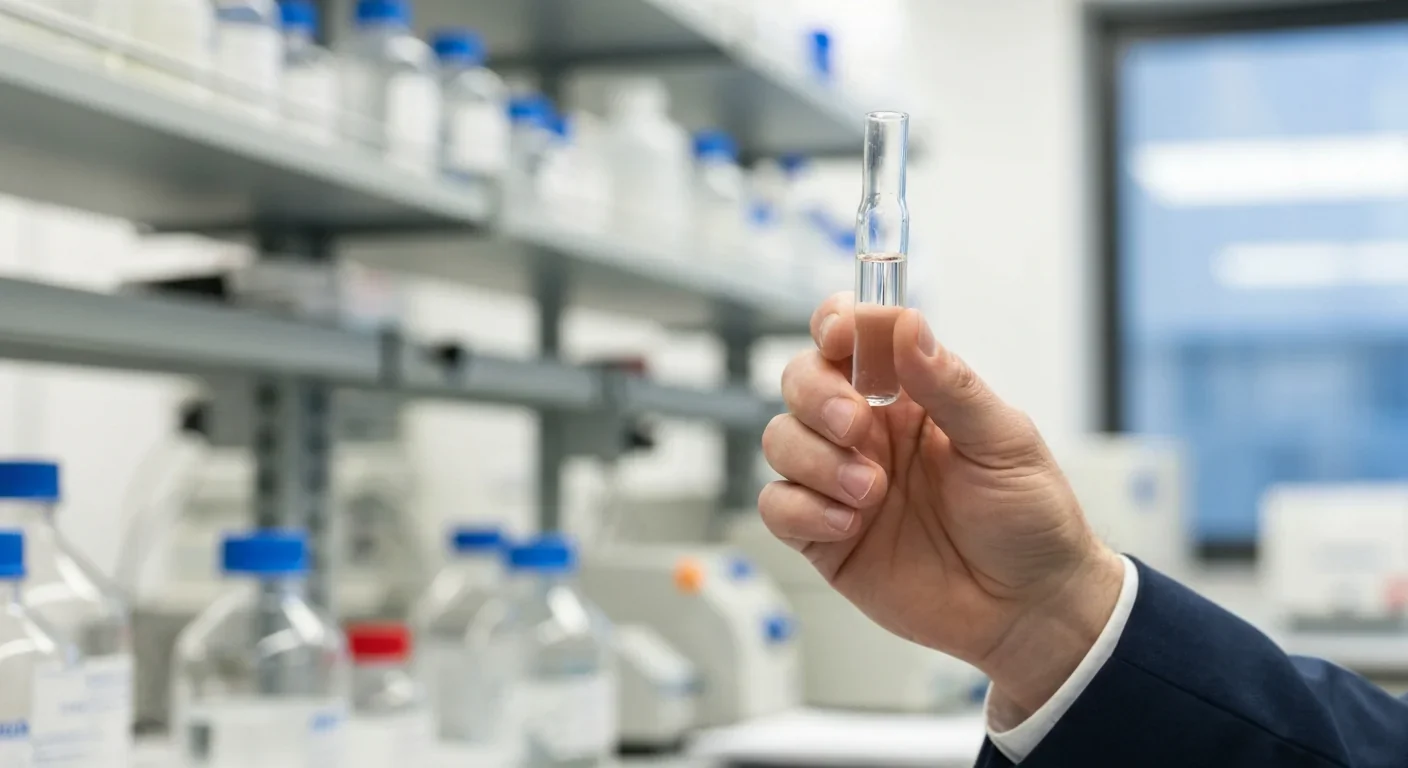
Wasp venom turns out to be far more than a simple paralytic agent. The venom of insects like wasps and bees contains compounds that can directly kill bacteria, and researchers at MIT have demonstrated that these peptides can be systematically redesigned for human applications. In 2018, a team led by Cesar de la Fuente-Nunez showed that a toxin from a South American wasp could be modified to eliminate Pseudomonas aeruginosa infections in mice while remaining non-toxic to human cells.
The antibacterial properties of wasp venom raise a provocative question: when a parasitoid injects venom into its host, is it selectively killing certain bacteria while sparing others? Nasonia vitripennis, one of the most well-studied parasitoid wasps, possesses a remarkable diversity of venom proteins. When a female drills through the chitinous puparium of a blowfly host and injects her venom, she causes developmental arrest that redirects the host's energy toward nutrient pathways that benefit her larvae.
What's particularly striking is that some wasps have literally stolen genes from bacteria to improve their venom delivery. A study documenting horizontal gene transfer found that parasitoid wasps in the genus Leptopilina acquired a CDP-diacylglycerol synthase gene from bacteria in the family Rickettsiaceae. When researchers knocked down this gene, venom secretion decreased and host immune encapsulation of wasp eggs increased dramatically. The wasps had borrowed bacterial molecular machinery to fine-tune their own weapons.
The viral dimension of parasitoid microbiome manipulation keeps getting more interesting. Beyond the well-established polydnaviruses, researchers are discovering entirely new viral partnerships. In 2025, a team led by Izraeli and Zchori-Fein reported the discovery of AnvRV, a double-stranded RNA virus found in the ovaries of Anagyrus vladimiri wasps. Wasps carrying this virus produced eggs that were significantly more likely to hatch inside their mealybug hosts, because the virus suppressed the host's encapsulation response.
AnvRV spreads both vertically, from parent to offspring, and horizontally, through shared hosts or mating. Field surveys have detected it across populations on multiple continents. Unlike baculoviruses that can be applied as standalone biocontrol agents, AnvRV functions as an integral part of the wasp's biology, a heritable symbiont that gives its carrier a quiet but measurable advantage.

This pattern, parasitoids carrying viruses that manipulate host immunity, appears to be widespread. Cotesia glomerata, a braconid wasp introduced to North America in 1883 to control cabbage butterfly pests, sometimes transmits a granulosis virus that further weakens its caterpillar hosts beyond what venom and polydnaviruses achieve alone. Parasitism rates from these wasps can reach 50% mid-season and 60-75% late-season in agricultural settings. The layered nature of these manipulation strategies suggests that parasitoids operate less like simple parasites and more like ecosystem engineers working at the cellular scale.
Hosts aren't passive victims in this drama. The evolutionary counter-strategies are just as fascinating as the attacks. Caterpillars can encapsulate parasitoid eggs by surrounding them with hemocytes, a defense that parasitoids must overcome with every new generation. Some caterpillars eat plants that are toxic to both themselves and their parasites, effectively self-medicating.
The insect immune system turns out to be far more sophisticated than anyone expected. Researchers have noted that insect immune defense is much more similar to that of vertebrates than previously thought, with constitutive and induced responses, specificity, and even forms of immune memory. This means the evolutionary arms race between parasitoids and hosts plays out across multiple biological systems simultaneously, from cellular immunity to gut microbiology to behavioral ecology.
What's particularly compelling is how this arms race shapes microbial communities. When a parasitoid suppresses host immunity, opportunistic bacteria may bloom. When the host evolves resistance, the parasitoid must develop new strategies that account not just for the host's defenses but for the microbial environment those defenses maintain.
The evolutionary arms race between parasitoids and their hosts plays out across three simultaneous dimensions: cellular immunity, gut microbiology, and behavioral ecology.
The study of parasitoid microbiomes is genuinely global in scope, and different regions bring different priorities to the research. In Malaysia, researchers used 16S rRNA metabarcoding to characterize the gut microbiome of Dolichogenidea metesae, a braconid wasp that parasitizes bagworms in oil palm plantations. They found that Proteobacteria dominated the wasp's gut at 83.31% of all sequences, and that microbial diversity varied dramatically depending on local pest management practices.
Populations from areas using biopesticides and natural control methods showed significantly higher microbial diversity than those from chemically managed plantations. If chemical insecticides reduce the gut microbiome diversity of the very parasitoids we rely on for biological control, we may be undermining our own agricultural strategies.
Meanwhile, genomic research on Nasonia vitripennis has made this tiny jewel wasp one of the most genetically characterized insects on the planet. The 2010 genome project, funded by the National Human Genome Research Institute, revealed that Nasonia has acquired genes from both Pox viruses and Wolbachia bacteria in less than 100,000 years. These lateral gene transfers demonstrate how rapidly parasitoids can incorporate microbial innovations into their own biology.
While Silicon Valley focuses on engineering human microbiomes with probiotics and fecal transplants, entomologists around the world are documenting how nature has been doing precision microbiome engineering for millions of years. The sophistication of parasitoid strategies makes our current medical interventions look crude by comparison.
The practical applications are starting to crystallize. On the agricultural side, understanding how wasps manipulate host microbiomes could help us breed more effective biocontrol agents or design complementary treatments that enhance parasitoid success. Cotesia glomerata has been used in pest management since 1883, targeting butterfly larvae on cruciferous crops like cabbage and broccoli. Knowing which bacterial communities a parasitoid needs to establish in its host could help prime crop environments to support those microbial shifts.
On the medical side, the antimicrobial properties of wasp venom peptides represent a genuine pipeline for new antibiotics. In an era of rising antimicrobial resistance, the fact that parasitoid wasps have been waging chemical warfare against bacteria for 100 million years, and that bacteria haven't simply evolved universal resistance, tells us something important about the diversity and novelty of these compounds.
"We've repurposed a toxic molecule into one that is a viable molecule to treat infections."
- Cesar de la Fuente-Nunez, MIT
Perhaps most intriguingly, the parasitoid model of microbiome manipulation could inform therapeutic strategies for conditions linked to microbiome dysbiosis. If a 3-millimeter wasp can precisely amplify one bacterial symbiont by 63% within 16 hours to redirect amino acid metabolism, what principles from that process could apply to correcting microbial imbalances in human guts?
The next decade of parasitoid microbiome research will likely transform multiple fields. For biologists, the priority is mapping the specific bacterial taxa that parasitoids promote versus suppress. For agricultural scientists, the challenge is translating microbiome insights into practical biocontrol improvements, particularly in tropical systems where parasitoid diversity is highest and chemical alternatives are most environmentally damaging. For medical researchers, the opportunity lies in mining parasitoid venom and viral proteins for antimicrobial compounds and microbiome-modulating molecules.
What's clear is that these tiny wasps have been running the most sophisticated microbial engineering program on the planet, long before humans understood what a microbiome was. We're only now developing the tools, from metabarcoding to metabolomics to CRISPR-based functional genomics, to read the instruction manual they've been writing for 100 million years. The question isn't whether parasitoid biology will yield practical breakthroughs. It's whether we'll be clever enough to decode them in time to address the agricultural and medical challenges bearing down on us.

Project Orion was a real 1960s program to reach other stars by detonating 800 nuclear bombs behind a spacecraft. The physics worked and the engineering was feasible, but the 1963 nuclear test ban treaty killed it. It remains the most credible interstellar spacecraft ever designed.
The locus coeruleus, a tiny brainstem structure, degenerates decades before Alzheimer's symptoms appear. Its loss cripples the brain's inflammation control, waste clearance, and sleep regulation. New imaging tools and noradrenergic therapies offer hope for early detection and prevention.

Research shows the sharing economy often increases total resource consumption through the Jevons paradox and rebound effects. Ride-sharing adds billions of vehicle miles, co-working spaces use more energy per worker, and diffused responsibility erodes conservation behavior. Breaking the paradox requires congestion pricing, accountability design, and matching sharing models to appropriate resource types.

Psychological reactance theory explains why banning or restricting things makes people want them more. From Prohibition to the Streisand effect to scarcity marketing, research shows that threatening people's freedom reliably backfires, and autonomy-supportive communication is far more effective.
A carnivorous pitcher plant in Borneo evolved to house bats instead of trapping insects, gaining up to 95% of its nitrogen from bat guano. The plant even built an ultrasonic reflector to help bats find it, revealing that carnivory in plants is a flexible spectrum.

The quantified self movement began as a hacker-ethos pursuit of personal insight, but corporate wearables now funnel biometric data to employers, insurers, and data brokers. With 81% of Americans wrongly believing health apps are HIPAA-protected, a regulatory void enables health data to be sold for pennies while generating anxiety instead of empowerment.

CXL memory pooling lets servers dynamically share DRAM over a cache-coherent interconnect, eliminating the 40% stranded memory waste in data centers. With commercial hardware now shipping and Azure deploying CXL cloud instances, this technology promises to cut memory costs by 50% while enabling composable infrastructure.

Loading featured articles...