Carnivorous Plant Farms Bat Poop Instead of Eating
TL;DR: Ants have been farming aphids for over 50 million years, using chemical tranquilization, wing-clipping, selective breeding, and predator defense in ways that strikingly parallel human livestock domestication. New research reveals bacterial threats to these partnerships and climate change risks.
Long before the first human scattered seeds into tilled soil, ants were already running sophisticated farming operations. Not with crops, but with livestock. Tiny, sap-sucking aphids have served as the managed herds of ant colonies for at least 50 million years, a timeline that makes our own 10,000-year agricultural experiment look like a weekend hobby. And the parallels between ant husbandry and human pastoralism are so striking that they force a genuinely uncomfortable question: did evolution solve the same problem twice?
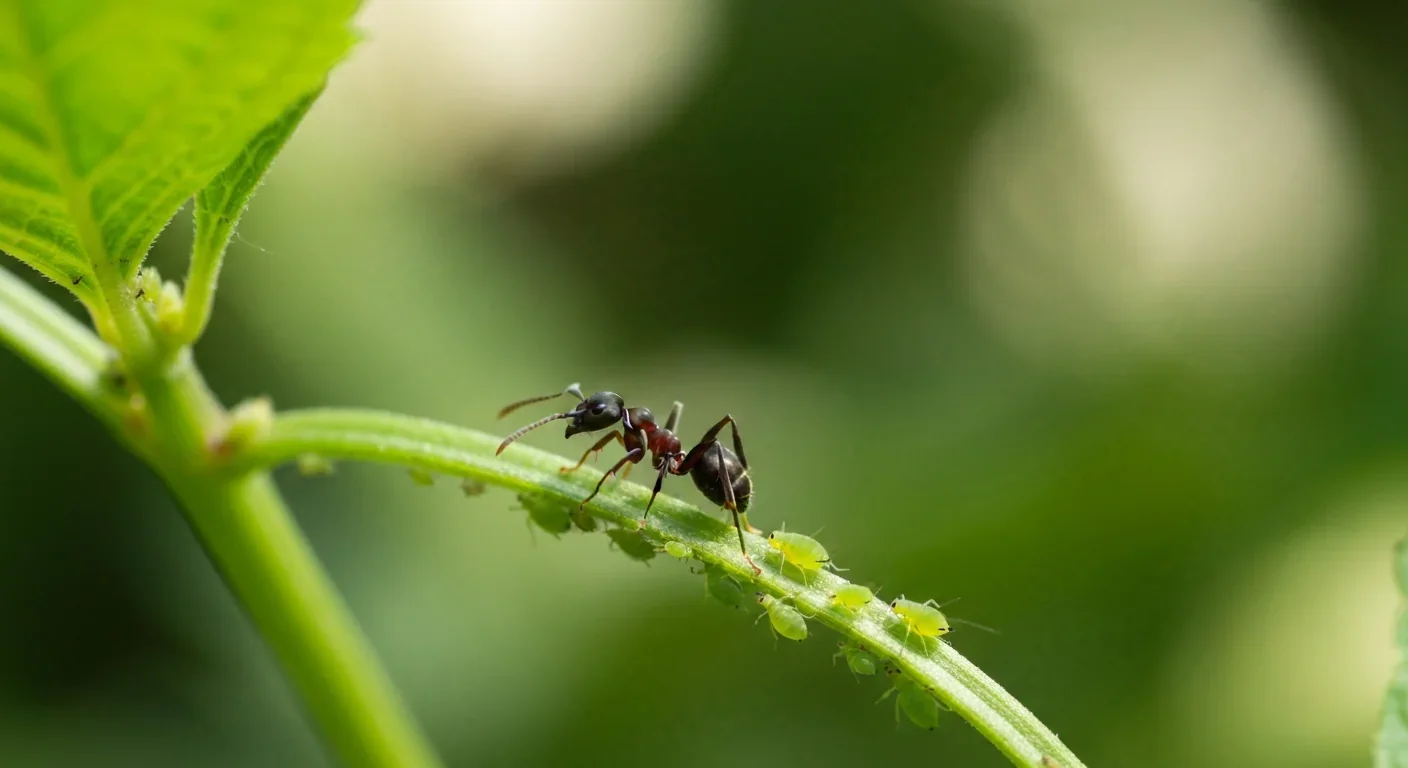
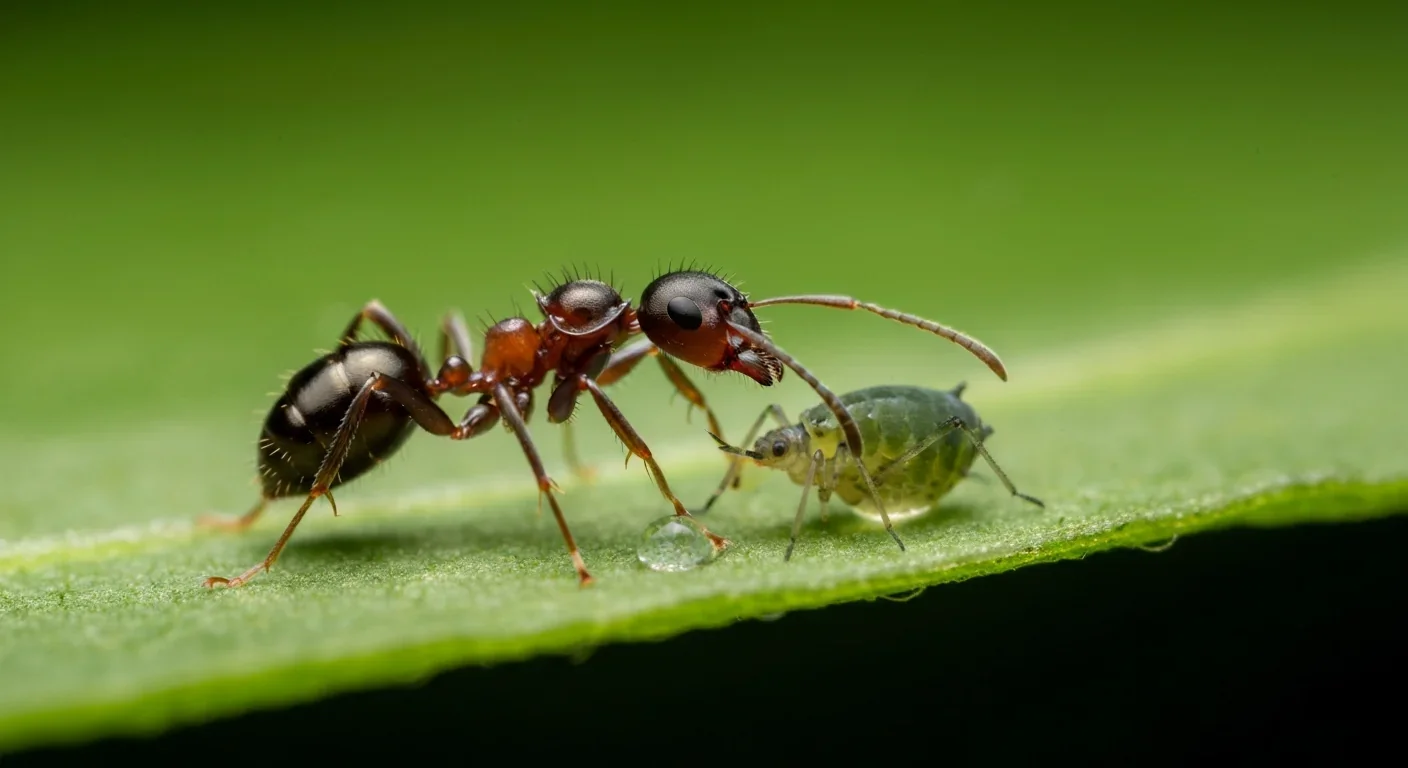
Picture a black garden ant, Lasius niger, approaching a cluster of aphids on a plant stem. The ant doesn't attack. Instead, it gently strokes the aphids with its antennae, a tactile signal that prompts the tiny insects to excrete droplets of honeydew, a sugar-rich liquid that forms the caloric backbone of many ant colonies. The process looks remarkably like milking, and entomologists have used exactly that word for over a century.
But milking is just the beginning. Ant farmers deploy a toolkit that would be familiar to any cattle rancher. They defend their herds from predators like ladybirds and lacewings, physically confronting threats many times their size. They relocate aphid colonies to better feeding sites when local vegetation declines. They remove sick or dead individuals from the herd, a form of selective culling that keeps the population healthy.
And in what might be the most startling parallel to human livestock management, some ant species store aphid eggs in their nests over winter, then carry the newly hatched nymphs back to host plants in spring, essentially running seasonal breeding programs.
Ants are among only a handful of animal groups, alongside humans, to have achieved the level of social organization necessary to practice agriculture, and they've been doing it for at least 50 million years.
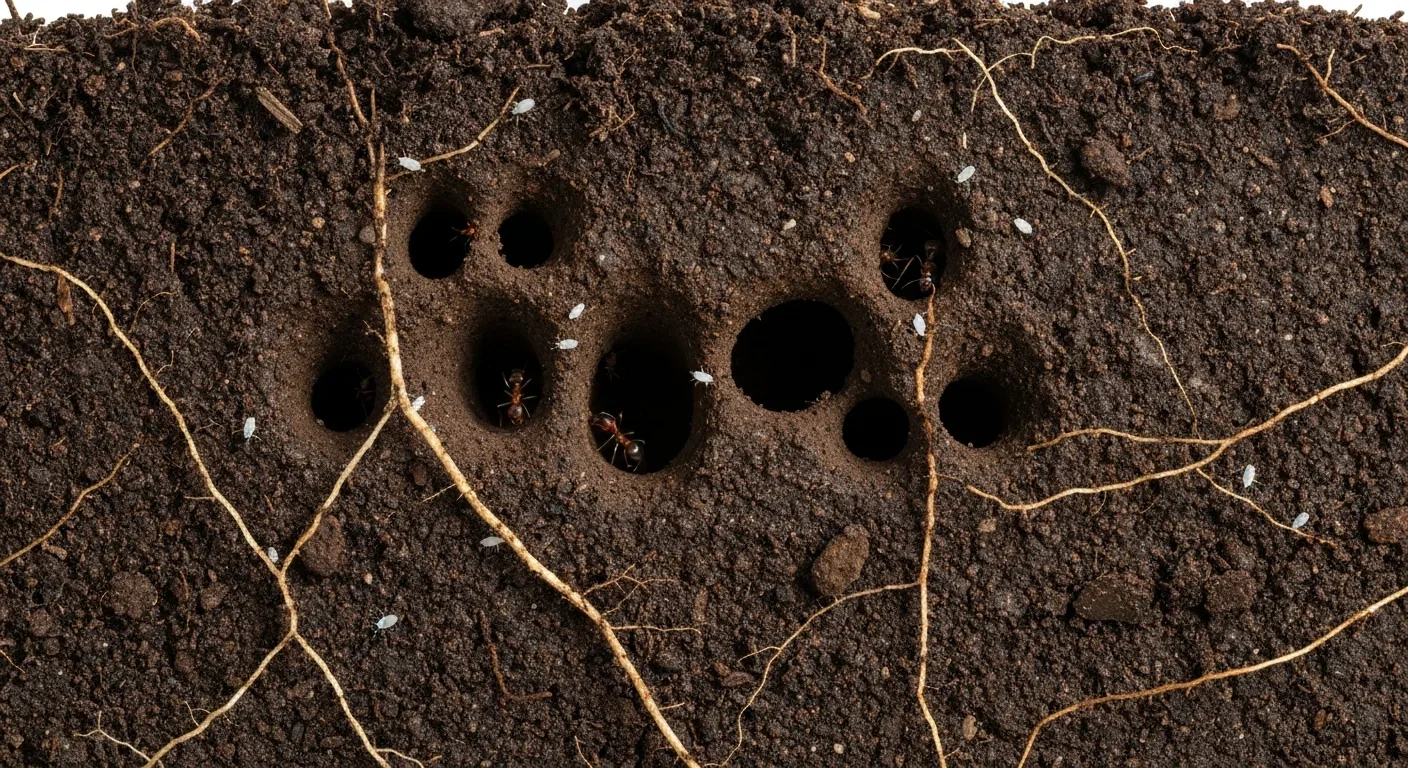
The yellow meadow ant, Lasius flavus, takes this even further. These ants maintain underground aphid herds on plant roots, farming in near-total darkness. Research published in BMC Evolutionary Biology found that over half of Lasius flavus mounds contained a single aphid species, and two-thirds of those harbored just one genetic clone.
In 95% of aphid chambers containing multiple species, individuals still belonged to a single clone. That's monoculture farming, achieved without a single genetics textbook.
What separates ant farming from a simple feeding relationship is the degree of control ants exert over their livestock. And much of that control is chemical.
Research from the Royal College of London identified that chemicals released from ant feet don't just leave pheromone trails. Some of these compounds specifically target aphid behavior, reducing their tendency to disperse and suppressing wing development. The chemical beta-hydroxydecanoic acid, produced in ant footprint secretions, has been shown to tranquilize aphids and inhibit their flight capability.
Think about what this means. Ants are effectively drugging their livestock to keep them docile and grounded. It's the insect equivalent of clipping a bird's flight feathers, except it's done through pharmaceutical control rather than physical surgery, though ants do that too. Multiple sources confirm that ants will bite the wings off mature aphids to prevent them from flying away.
A 2026 study from Professor Chen Li's team found another layer: in the red fire ant and cotton aphid system, the ants' own trail pheromones can be sensed by aphids and actively inhibit their spread. The ants don't even need to directly interact with their livestock. Their chemical infrastructure doubles as a containment fence.
"In a parallel with human farming methods, this most likely gives colonies the possibility to actively manage the diversity and abundance of their livestock, allowing maximal honeydew yield from mature aphids that are kept under optimal conditions of phloem feeding and ant care."
- Aniek Ivens, Lead Researcher, BMC Evolutionary Biology
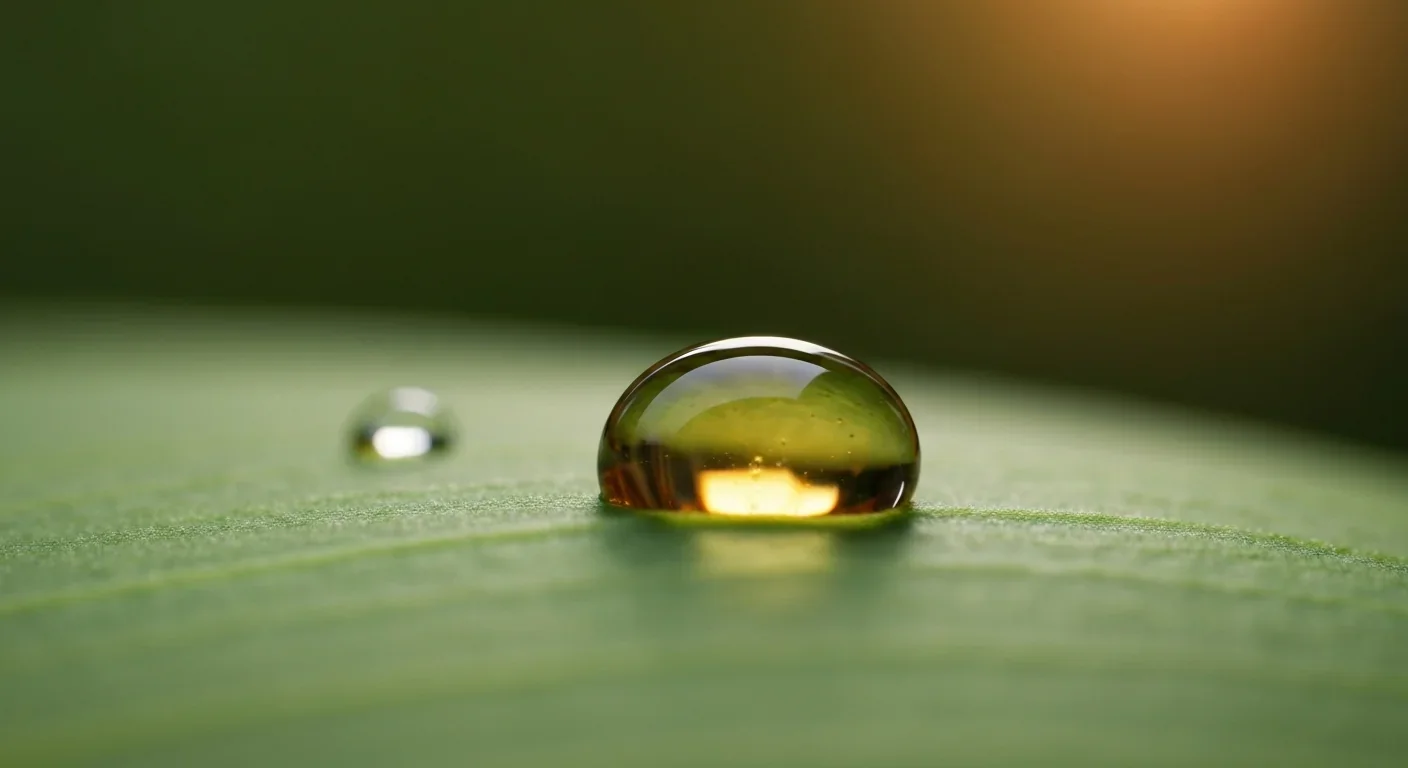
Why go to all this trouble? Because honeydew is extraordinarily valuable. Between 90 and 95% of its dry weight is sugars, primarily glucose, fructose, and sucrose. The remaining fraction contains vitamins, minerals, and amino acids that round out the nutritional profile. For many ant species, honeydew represents the primary carbohydrate source powering the entire colony.
The collection process is itself a study in logistics. Worker ants ingest honeydew droplets at the aphid colony, then return to the nest to regurgitate the fluid for nestmates through trophallaxis, mouth-to-mouth food sharing. It's a supply chain that runs from the pasture to the pantry with no intermediate storage.
And the economics cut both ways. Ant-tended aphid colonies grow significantly larger and survive longer than untended ones, primarily because ant protection eliminates predation pressure. But this protection comes at a cost to the surrounding ecosystem.
Field experiments with broad beans (Vicia faba) showed that plants without aphids yielded an average of 56 seeds per plant, plants with unprotected aphids yielded 17, and plants with ant-protected aphids yielded just eight. The ants' farming success directly translates to greater crop damage, a tension that gardeners and agricultural researchers understand all too well.
Not every ant-aphid relationship is a happy partnership. The spectrum runs from genuine mutualism to something that looks a lot more like slavery.
In the best-case scenario, both parties benefit. Aphids get protection from predators and access to optimal feeding sites. Ants get a reliable food source. But researchers have increasingly documented situations where the relationship tips toward exploitation. When ants clip aphid wings and chemically suppress their movement, the aphids lose the ability to escape even if the arrangement becomes costly for them.
A 2025 study published in PLOS One by Jossart, Hance, and Detrain added a fascinating new dimension: bacterial symbionts can destabilize the entire arrangement. Aphids infected with Serratia symbiotica showed 38% lower population growth, but this cost was partially offset when ants tended them, dropping to just 12% lower growth.
A single bacterial strain can simultaneously impose fitness costs on the aphid livestock and reduce the farmer ant's interest in tending them, potentially triggering abandonment and collapse of a partnership that may have lasted generations.
However, ants were less attracted to infected aphids, ingested fewer honeydew droplets, and took longer to decide to feed. The bacterium circulates through aphid guts, ant guts, and honeydew itself, creating a tripartite transmission network.
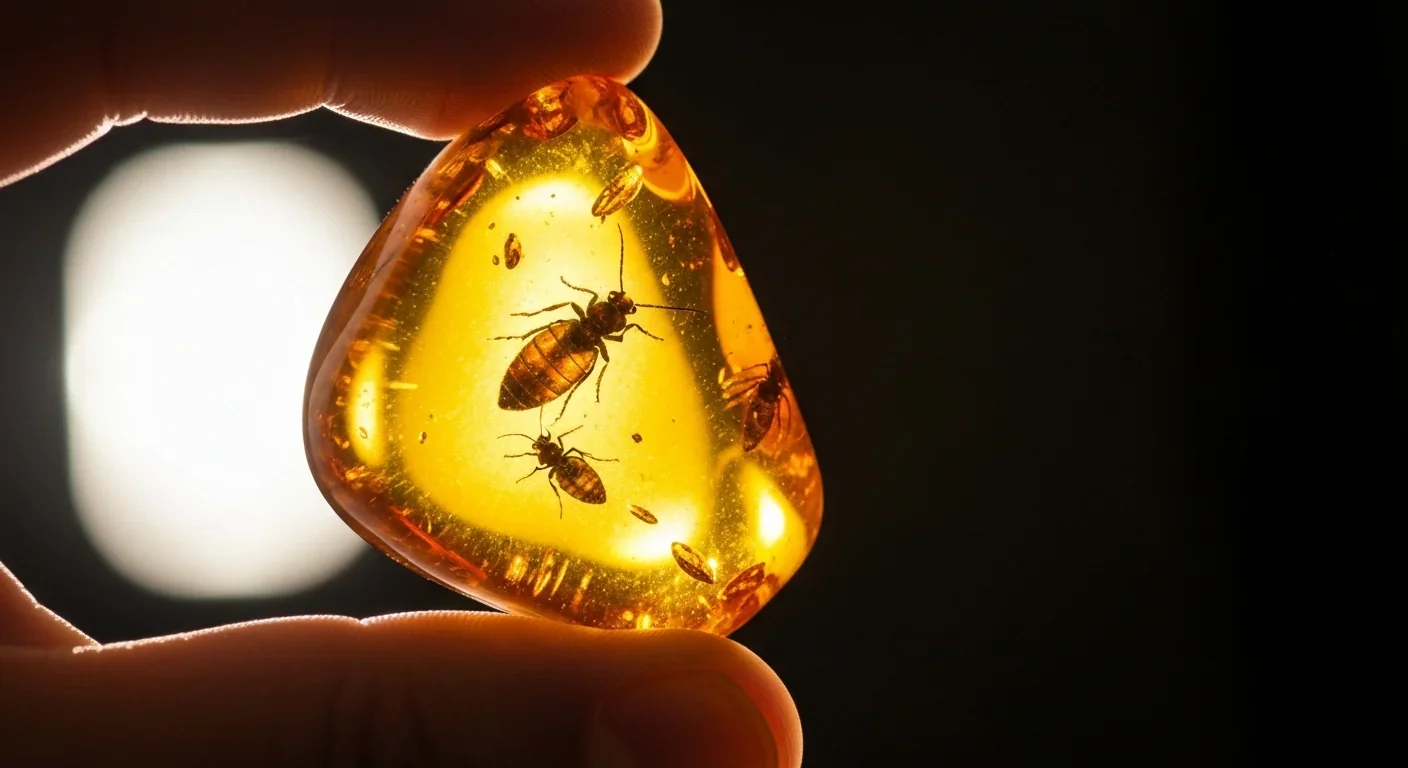
Fossil evidence from Baltic amber dating to 40-50 million years ago documents some of the earliest known ant-aphid associations. The practice has diversified enormously since then. More than 1,000 of the 4,000 known aphid species are affected by ant domestication, along with around 500 species of Lepidoptera.
The scale of this is staggering. Ants domesticate plants, fungi, and animals, and they do it across wildly different ecological contexts, from tropical leaf-cutter ant fungus gardens to temperate meadow ant root-aphid farms.
What makes this especially remarkable is that ant and human agriculture evolved completely independently. There's no shared ancestor who farmed. Natural selection simply converged on the same solution to the same problem: how does a social species reliably provision a large group? The answer, in both cases, turned out to be domestication.
Recent research is revealing just how deeply farming behavior is wired into ant biology. A 2025 study published in Cell found that just two neuropeptides, CCAP and NPA, can completely reprogram worker roles in leafcutter ants. By manipulating these brain molecules, scientists turned defenders into nurses and gardeners into leaf harvesters.
The same study found that gene-expression patterns governing division of labor in leafcutter ants mirror those in eusocial naked mole-rats, hinting at convergent molecular mechanisms dating back over 600 million years. Insulin-like peptides appear to be co-expressed with caregiving neuropeptides, suggesting an ancient link between metabolic regulation and social behavior.
This chemical plasticity likely extends to aphid-tending behavior. If a few molecules can flip an ant from soldier to nurse, the chemical systems governing who tends the aphid herds are probably just as elegant and just as ancient.
"Our results in ants reinforce how single neuropeptides can dramatically alter behavior."
- Shelley Berger, Lead Author, Cell 2025
A 2026 bioRxiv preprint studying Lasius niger behavior on tansy plants found that temperature significantly influences ant recruitment times, with complex seasonal effects. Higher temperatures in early summer slowed recruitment, while late-season warmth sped it up.
The study also found that plant terpenoid abundance positively correlates with ant patrolling activity, suggesting that shifts in plant chemistry driven by climate change could ripple through these mutualistic networks.
These findings matter because ant-aphid partnerships have been remarkably stable for tens of millions of years. But that stability evolved under relatively predictable environmental conditions. Rapid climate change could desynchronize ant and aphid life cycles, alter plant chemistry in ways that disrupt chemical signaling, or shift geographic ranges faster than these partnerships can track.
The Royal Society study on Lasius flavus demonstrated that ants protect root aphid eggs from predators and pathogens during winter hibernation, an arrangement that depends on predictable seasonal timing. As winters shorten and become more variable, these carefully synchronized cycles could fall apart.
The ant-aphid farming system isn't just a biological curiosity. It's a mirror. When we look at ant agriculture, we see our own behavioral patterns reflected back at us, stripped of the cultural narratives we've built around them.
Humans didn't invent farming. We discovered it, the same way ants did, through the slow accumulation of behaviors that increased survival and reproductive success. The fact that chemical communication and tactile cues coordinate ant farming the same way language and technology coordinate ours tells us something profound about the forces shaping social evolution.
And as we face our own agricultural challenges, from climate disruption to biodiversity loss to the ethical treatment of livestock, the ant-aphid system offers both cautionary tales and inspiration. These partnerships have endured for 50 million years because they're flexible enough to adapt and robust enough to persist through mass extinctions and continental drift. Whether our own agricultural systems can claim the same resilience remains to be seen.
The next time you spot ants crawling up a plant stem toward a cluster of aphids, you're not watching random insect behavior. You're watching farmers going to work, part of the longest-running agricultural operation on Earth.

Project Orion was a real 1960s program to reach other stars by detonating 800 nuclear bombs behind a spacecraft. The physics worked and the engineering was feasible, but the 1963 nuclear test ban treaty killed it. It remains the most credible interstellar spacecraft ever designed.
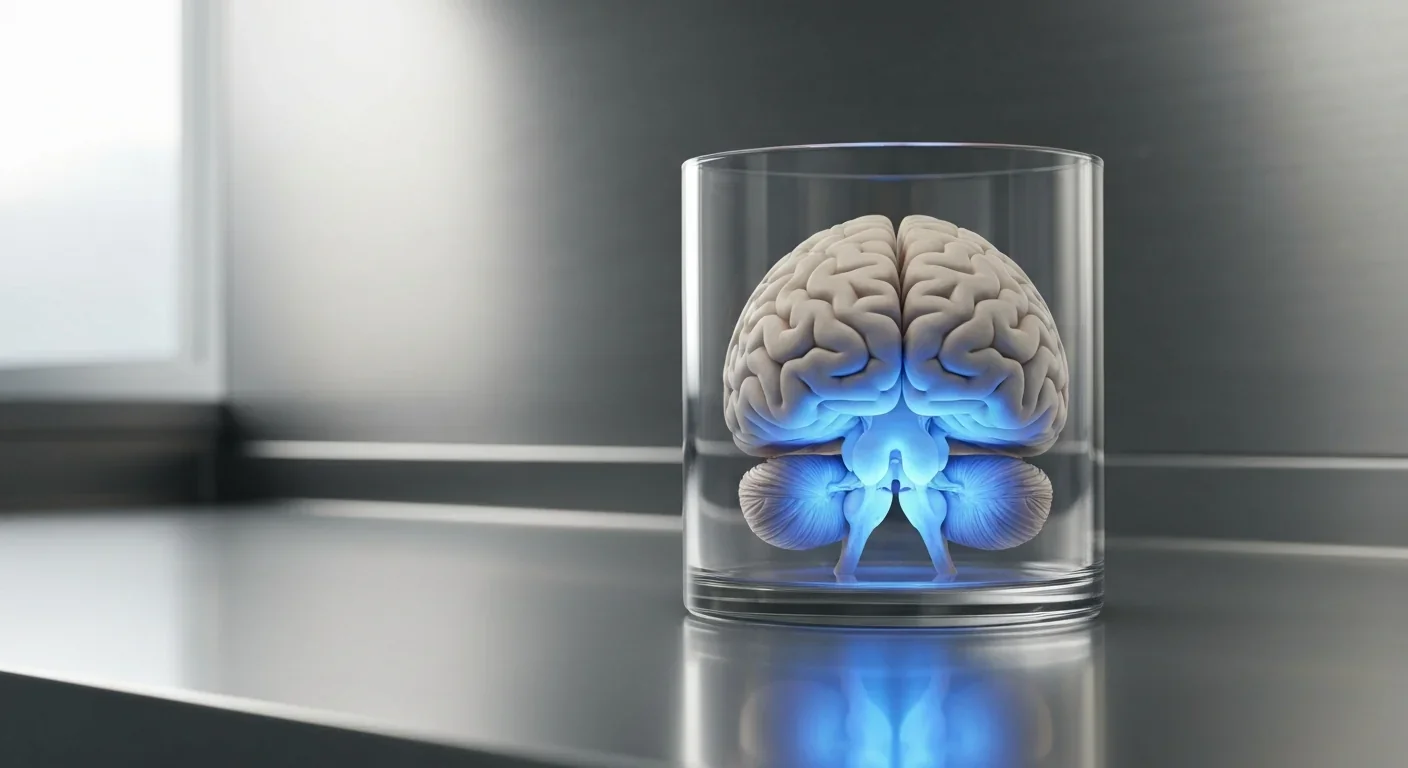
The locus coeruleus, a tiny brainstem structure, degenerates decades before Alzheimer's symptoms appear. Its loss cripples the brain's inflammation control, waste clearance, and sleep regulation. New imaging tools and noradrenergic therapies offer hope for early detection and prevention.
Research shows the sharing economy often increases total resource consumption through the Jevons paradox and rebound effects. Ride-sharing adds billions of vehicle miles, co-working spaces use more energy per worker, and diffused responsibility erodes conservation behavior. Breaking the paradox requires congestion pricing, accountability design, and matching sharing models to appropriate resource types.

Psychological reactance theory explains why banning or restricting things makes people want them more. From Prohibition to the Streisand effect to scarcity marketing, research shows that threatening people's freedom reliably backfires, and autonomy-supportive communication is far more effective.
A carnivorous pitcher plant in Borneo evolved to house bats instead of trapping insects, gaining up to 95% of its nitrogen from bat guano. The plant even built an ultrasonic reflector to help bats find it, revealing that carnivory in plants is a flexible spectrum.

The quantified self movement began as a hacker-ethos pursuit of personal insight, but corporate wearables now funnel biometric data to employers, insurers, and data brokers. With 81% of Americans wrongly believing health apps are HIPAA-protected, a regulatory void enables health data to be sold for pennies while generating anxiety instead of empowerment.

CXL memory pooling lets servers dynamically share DRAM over a cache-coherent interconnect, eliminating the 40% stranded memory waste in data centers. With commercial hardware now shipping and Azure deploying CXL cloud instances, this technology promises to cut memory costs by 50% while enabling composable infrastructure.

Loading featured articles...