Carnivorous Plant Farms Bat Poop Instead of Eating
TL;DR: Hidden in plant galls, certain aphid species have evolved kamikaze soldier castes that sacrifice themselves to defend clonal colonies. These tiny warriors explode their bodies to release sticky secretions, representing extreme altruism driven by perfect genetic identity.
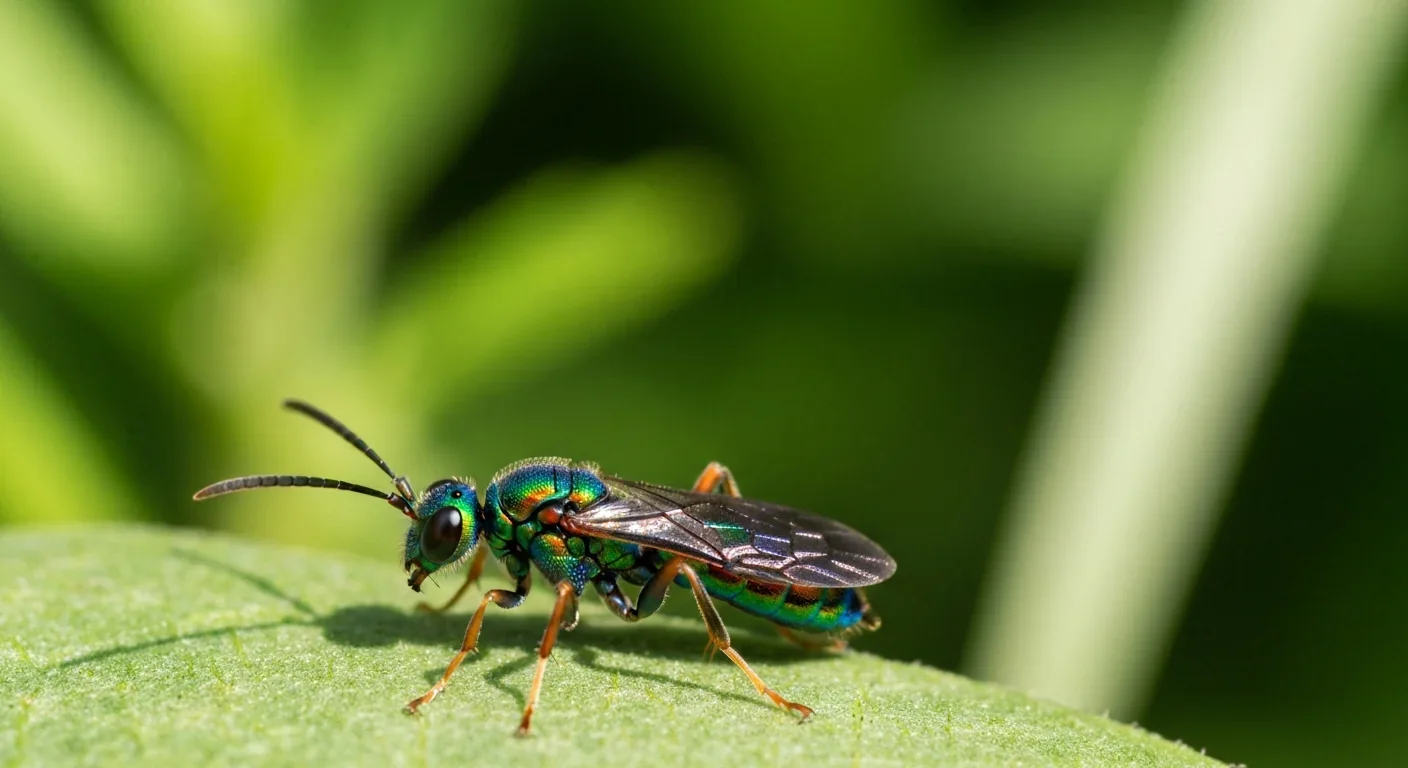
Most people think of aphids as defenseless pests. They cluster on rose stems, they drain plants dry, and gardeners spray them away with water. But hidden among the thousands of aphid species are warriors with a different strategy: kamikaze soldiers who explode themselves to save their families.
In 1977, Japanese entomologist Shigeyuki Aoki peered into plant galls on clematis vines and discovered something that upended our understanding of social insects. Inside those swollen plant chambers lived colonies of Colophina clematis aphids, complete with sterile soldier castes armed for battle. Before this moment, scientists believed complex social organization, with specialized castes and self-sacrifice, existed only in ants, bees, wasps, and termites. Aphids weren't supposed to have armies.
Yet here they were: first-instar nymphs with enlarged forelegs, permanently locked in juvenile form, patrolling their galls to kill ladybird larvae and hoverfly invaders. These soldiers would never reproduce, never molt into adults, never live for themselves. Their entire existence served one purpose: defending clones of themselves.
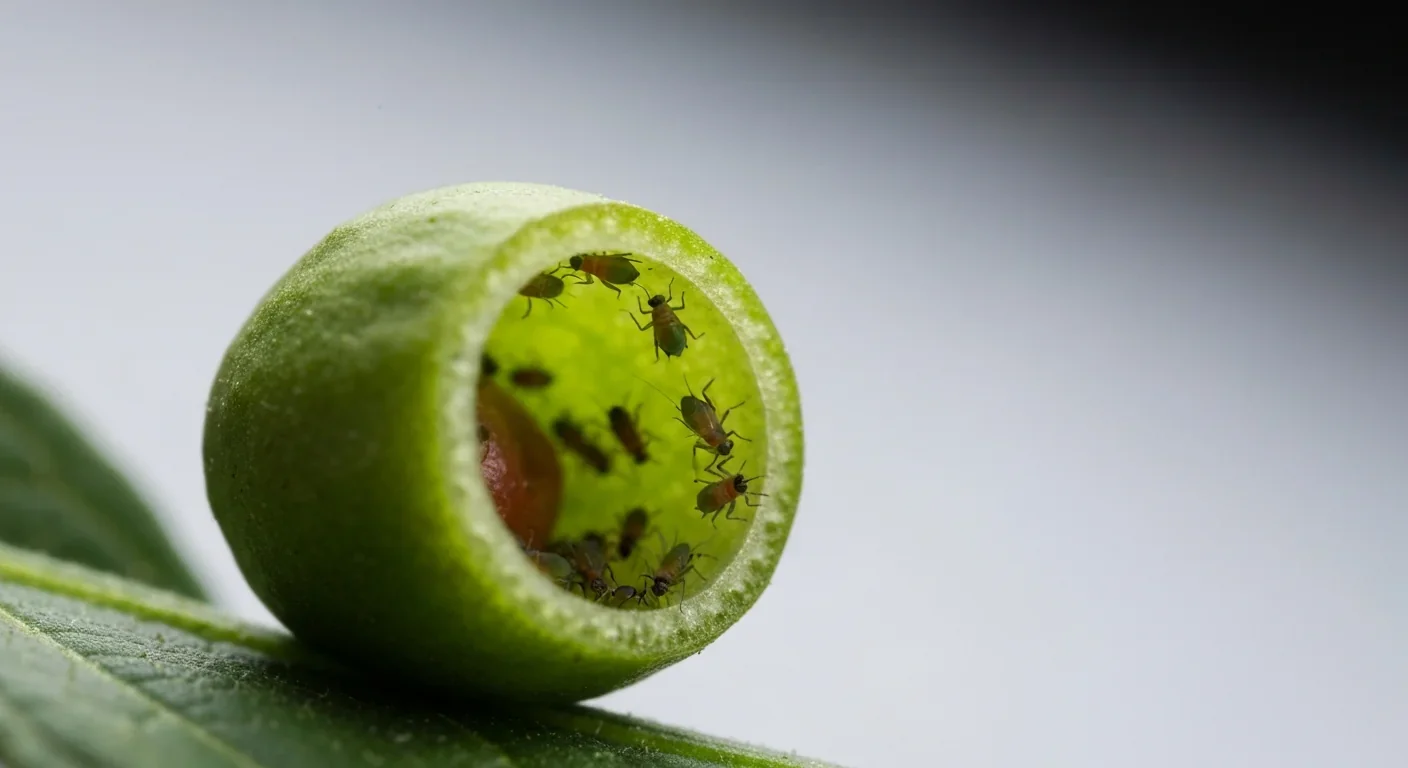
The story of eusocial aphids begins with architecture. Most aphid soldiers belong to gall-forming species in two families: Pemphigidae and Hormaphididae. These aphids inject specialized proteins called "bicycle proteins" into plant tissue, hijacking the plant's growth machinery to construct elaborate shelters. The plant responds by growing a gall, a swollen, often hollow structure that becomes a fortress for the aphid colony.
This enclosed habitat changes everything. In the open, aphids are sitting ducks for predators. But inside a gall, the colony has just one or two narrow openings to defend. It's castle warfare at microscopic scale, and it creates strong pressure for specialized defenders.
Galls aren't just shelters, they're fortresses that fundamentally reshape aphid social evolution by creating defensible bottlenecks worth dying for.
Species like Pemphigus spyrothecae form colonies inside ball-shaped galls where hundreds of genetically identical individuals share a protected space. When a predator larva breaches the gall wall, soldier aphids swarm the opening. Their weapons vary by species: some have massively enlarged forelegs for grasping, others sport horn-like projections on their heads, and some species like Alexander's horned aphids develop hard exoskeletons and pincer-like mouthparts.
The gall-forming ecology isn't just about defense. Galls provide stable microclimates, protect against weather, and concentrate resources. But they also create a fortress worth dying for, a finite resource that must be defended at all costs. The combination of defensible habitat and high relatedness sets the stage for extreme altruism.
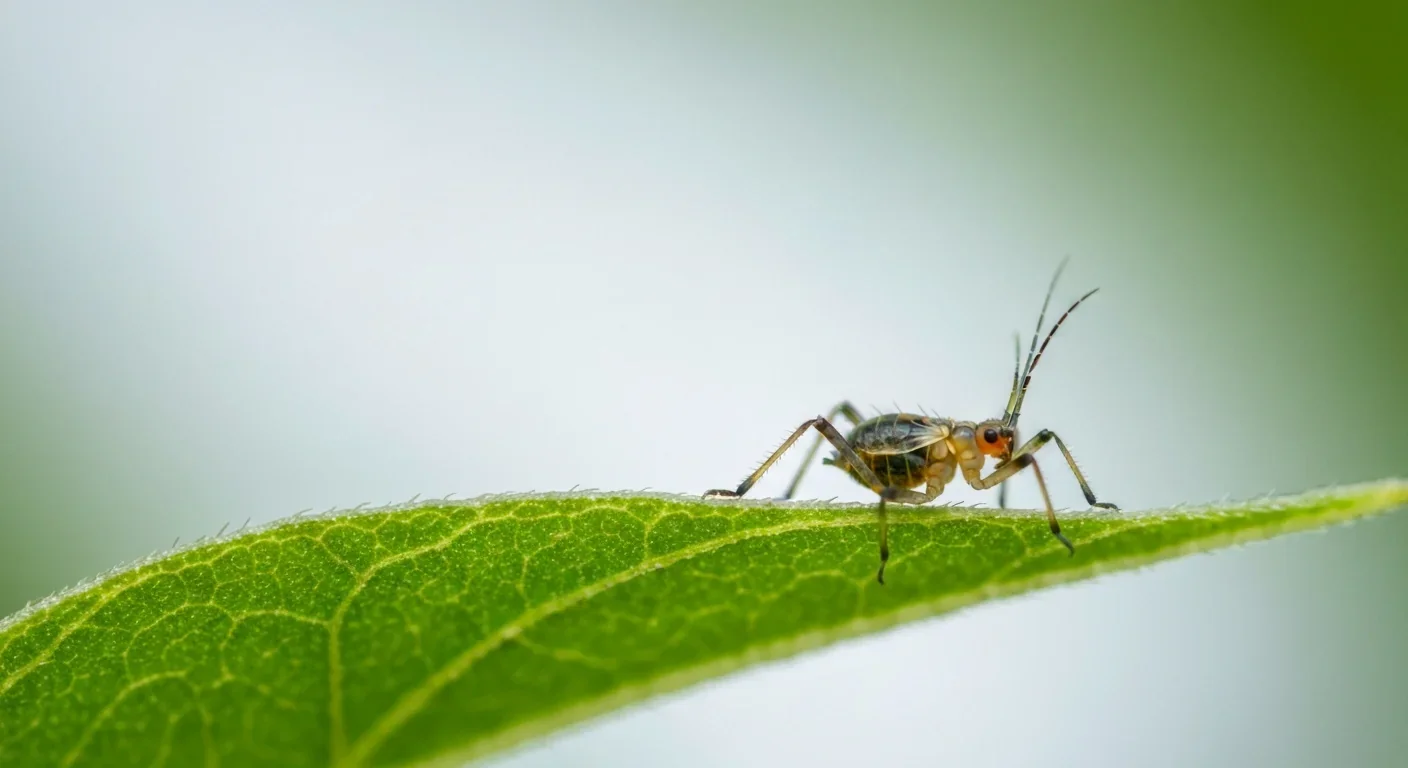
What makes aphid soldiers so remarkable isn't just their self-sacrifice, it's the genetic arithmetic behind it. Most aphids reproduce through parthenogenesis, giving birth to live young without fertilization. Every member of a summer aphid colony is a clone, genetically identical to its mother and sisters.
This creates conditions that evolutionary biologist W.D. Hamilton described in his famous equation for kin selection: altruism evolves when rB > C, where r is genetic relatedness, B is the benefit to relatives, and C is the cost to the altruist. In most animals, relatedness between siblings hovers around 0.5. Even in haplodiploid ants and bees, where sisters share 75% of their genes, r equals 0.75.
"We have produced the first conclusive evidence that kin selection explains the evolution of social insects."
- Dr. Bill Hughes, University of Leeds
In clonal aphid colonies, r equals 1.0. Perfect genetic identity. This means that from a gene's perspective, saving a sister is identical to saving yourself. The math becomes overwhelmingly favorable for self-sacrifice because every individual you save carries exactly the same genetic information.
Studies confirming that kin selection drives eusociality across social insects demonstrate how high relatedness creates strong evolutionary pressure for cooperation. DNA fingerprinting of bee, wasp, and ant colonies revealed that ancestral social insects practiced monogamy, maintaining high relatedness. In clonal aphids, parthenogenesis pushes relatedness to its theoretical maximum.
This genetic identity also means that soldier aphids aren't sacrificing reproduction in the traditional sense. Since they share all their genes with their reproductive sisters, helping those sisters reproduce is genetically equivalent to reproducing themselves. The soldiers may never lay eggs, but their genes pass to the next generation through every clone their defense protects.
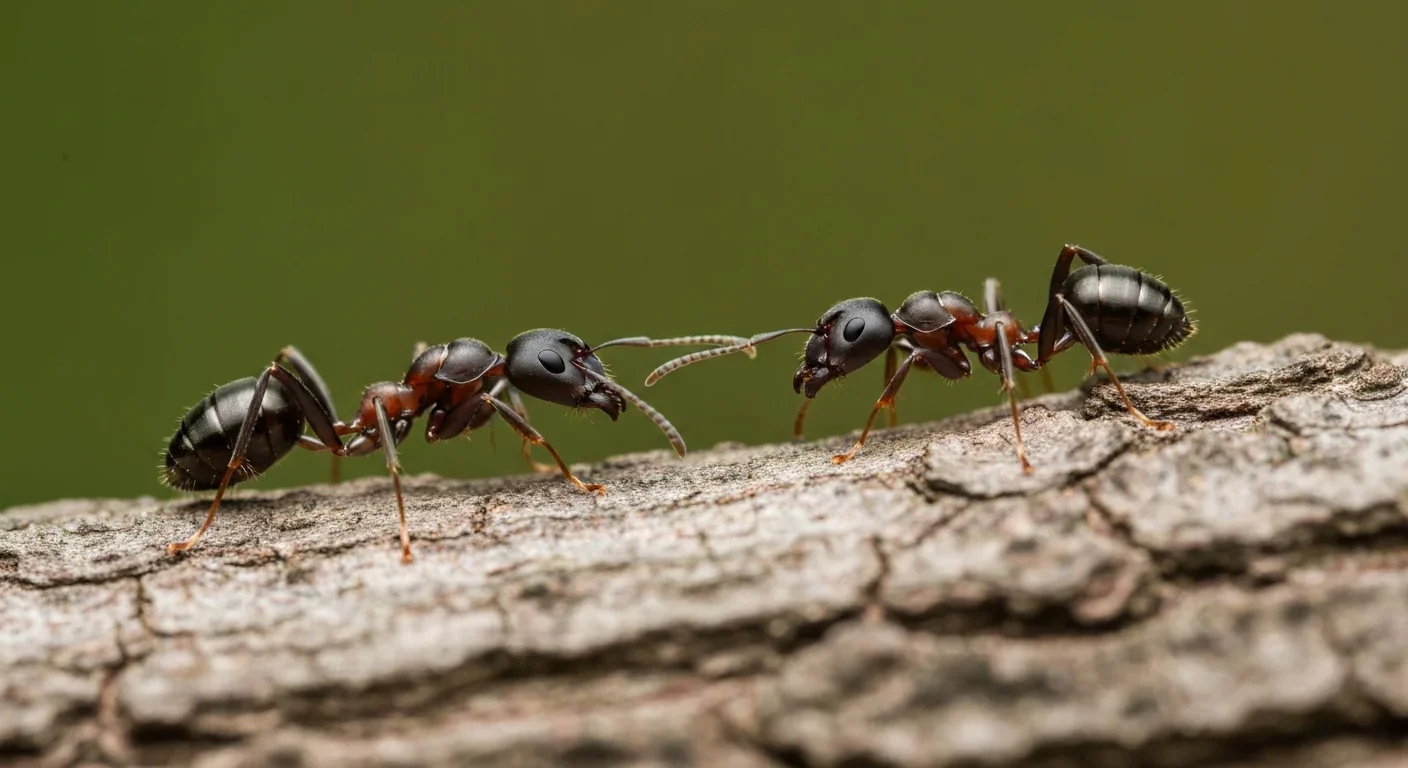
Walk into a Colophina clematis gall and you'd find two distinct types of first-instar nymphs. The primary-type nymphs look normal: standard mouthparts, proportional legs, destined to grow into adults. The secondary-type nymphs, the soldiers, look like they've been redesigned for combat.
According to detailed observations of Colophina clematis morphology, soldier nymphs have dramatically shortened rostra (the piercing mouthparts aphids use to feed) and enlarged front legs. They never molt beyond first instar. Their developmental program has been fundamentally altered to produce a permanent juvenile bodyguard caste.
In other species, the weaponry gets more elaborate. Some soldier aphids develop horn-like structures on their heads used to pin and crush predator larvae. The enlarged forelegs function as grappling hooks, seizing invaders and immobilizing them. Recent research shows these morphological differences correspond to differential gene expression in pathways controlling cuticle formation, developmental timing, and body patterning.
What triggers these different developmental paths in genetically identical individuals remains partially mysterious. Environmental cues likely play a role. Density within the gall, chemical signals from the foundress (the mother of the colony), and perhaps the presence of predators all might influence whether a newborn nymph develops into a soldier or a reproductive.
Interestingly, the host plant matters too. On clematis, soldiers remain permanently first-instar, but on Zelkova trees, the same species' soldiers can actually molt into adults, revealing surprising developmental plasticity.
This plasticity suggests the environment directly modulates caste fate, even overriding what seemed like fixed developmental programs.
Some aphid defenses go beyond combat to true kamikaze tactics. The Japanese species Nipponaphis monzeni exhibits one of nature's most spectacular acts of self-sacrifice. When predators damage the gall wall, first-instar soldier nymphs rush to the breach and deliberately rupture their own bodies.
The process, called autothysis, releases massive quantities of body fluid. This isn't ordinary hemolymph. The secretion contains specialized globular cells packed with phenoloxidase enzymes and lipids. When exposed to air, the phenoloxidase triggers rapid coagulation, and the secretion hardens into a sticky, cement-like material.
Dozens of soldiers may participate in gall repair, each one exploding, mixing the secretion with their legs, and plastering it over the wound. Within minutes, the breach is sealed with solidified aphid body fluid, and the gall is secure again. Every participating soldier dies, but the colony survives.
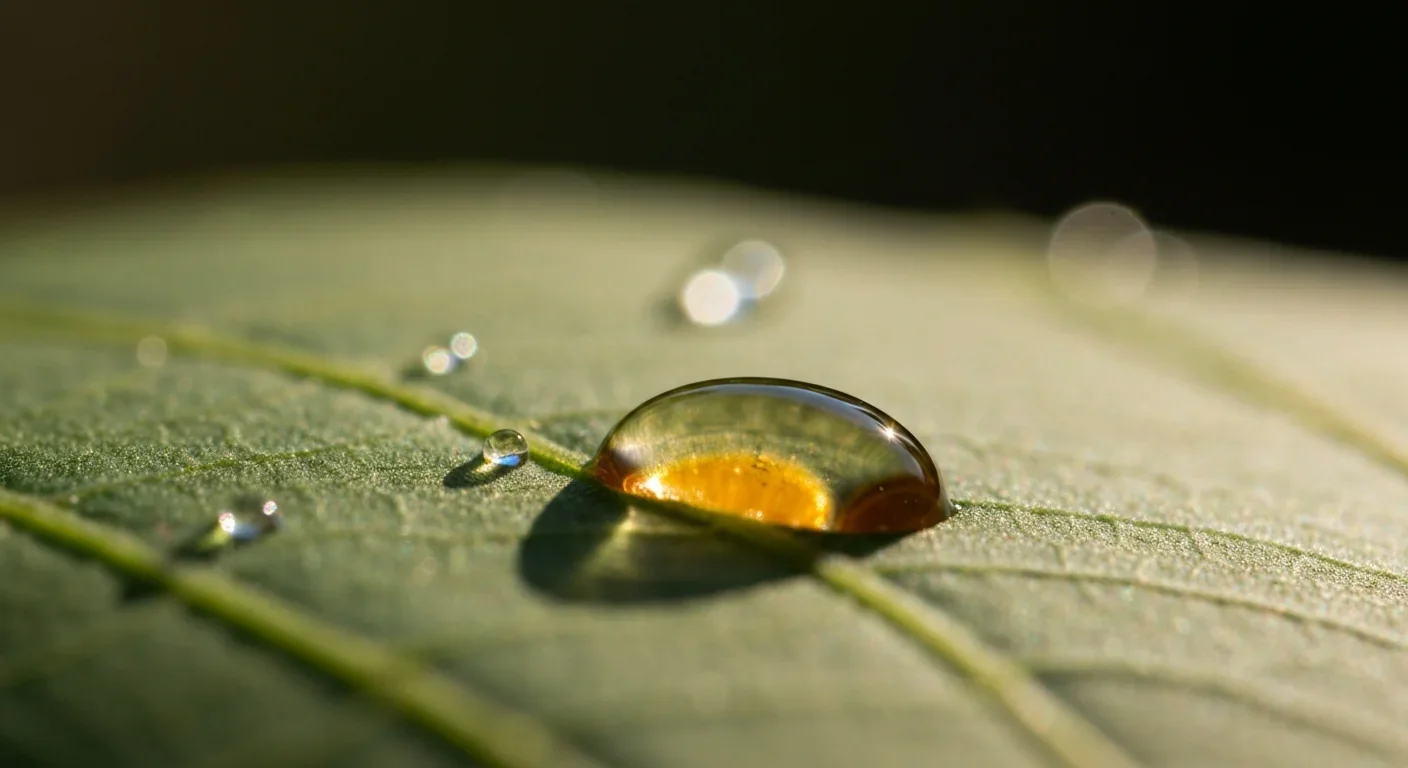
The chemical sophistication of this defense is remarkable. Phenoloxidase is typically part of the insect immune system, involved in wound healing and pathogen defense. Soldier aphids have co-opted this immune machinery, concentrating it in their body fluids and weaponizing it for colony defense. The lipids add adhesive properties, creating a secretion that's both sticky enough to trap small predators and rigid enough to repair structural damage.
Similar autothysis behaviors appear in certain ant species, like Colobopsis saundersi, which explode to release toxic glue composed of polyacetates and hydrocarbons. But the convergent evolution of this extreme defense across unrelated insect lineages, from ants to aphids, underscores how powerful the selective pressure for colony defense can be in social species.
Pemphigus spyrothecae uses a related strategy. When attacked, these aphids release hemolymph that functions as an adhesive, allowing them to stick to predators. The more aphids that attach, the more the predator becomes immobilized, like being swarmed by tiny living glue traps. Eventually, the predator either escapes coated in dead aphids or dies, overwhelmed.
The evolution of eusociality, true sociality with sterile castes, represents one of biology's major transitions. For decades, it seemed limited to certain insect lineages: the Hymenoptera (ants, bees, wasps), the Isoptera (termites), and a few oddities like naked mole rats. The discovery of eusocial aphids expanded this exclusive club and provided evolutionary biologists with a natural experiment.
Aphid eusociality differs from ant or bee societies in key ways. Ant colonies have multiple worker castes: foragers, nurses, soldiers, and more. Division of labor is intricate. Aphid colonies are simpler. There are reproductives and soldiers. That's it. No elaborate task specialization, no age-based polyethism where workers switch jobs as they mature.
"This woolly aphid has the distinction of being the first species of aphid to have been identified as having a 'soldier' caste."
- Wikipedia entry on Colophina clematis
This simplicity makes aphid eusociality easier to study and potentially closer to the ancestral state of social insects. It's eusociality stripped to its essentials: some individuals reproduce, others defend. The gall itself handles many functions that worker castes perform in other social insects, providing shelter and stable conditions without requiring construction workers or maintenance crews.
Compared to termites, which also have simple soldier castes, aphids share the enclosed-habitat lifestyle but differ in relatedness. Termite colonies arise from a king and queen, so siblings share only 50% of their genes. Clonal aphids are 100% identical. This difference makes aphid soldiers even more genetically invested in colony success.
One of the most intriguing questions about eusocial aphids is how often the phenomenon evolved. Did it happen once, in a common ancestor, and spread through diversification? Or did different aphid lineages independently discover the same solution to predator pressure?
Evidence points to multiple independent origins. Soldier castes appear in at least two major families, Pemphigidae and Hormaphididae, which diverged millions of years ago. Within these families, soldier-producing species are scattered across the phylogenetic tree, not clustered together as they would be if the trait evolved once and spread.
This pattern suggests convergent evolution, where similar ecological pressures, gall-forming lifestyle plus clonal reproduction, repeatedly produce the same social outcome. It's a testament to how powerfully natural selection can drive innovation when the conditions align.
Understanding exactly how many times eusociality arose in aphids requires detailed phylogenetic analysis. Current estimates suggest at least four to six independent origins, though the exact number remains debated. Each origin represents a separate evolutionary experiment in social organization, providing biologists with replicated natural tests of the same hypothesis.
The repeated evolution of soldiers also implies that the transition isn't extraordinarily difficult. Given clonal reproduction and defensible habitats, soldier castes emerge relatively easily on evolutionary timescales. This accessibility makes aphids valuable models for understanding the early stages of social evolution.
How do genetically identical embryos develop into radically different phenotypes? This question sits at the heart of developmental biology, and eusocial aphids offer a powerful system to study it. Because soldiers and reproductives share 100% of their DNA, all differences must arise from differential gene expression, epigenetic modifications, or environmental inputs during development.
Recent genomic studies have begun identifying the molecular switches that create soldiers. Gene expression analyses reveal that soldier and non-soldier morphs show differential regulation of genes involved in cuticle formation, immunity, and developmental timing. Soldiers upregulate genes producing thicker, harder cuticles, consistent with their combat role. They also show elevated expression of immune genes, particularly those involved in phenoloxidase production.
Developmental pathways controlling molting and metamorphosis are also altered. Soldiers don't progress through normal aphid development. They're locked in first instar, functionally frozen in juvenile form. This developmental arrest likely involves manipulation of hormone signaling, particularly juvenile hormone and ecdysone, which regulate molting in insects.
Epigenetic mechanisms, chemical modifications that affect gene expression without changing DNA sequence, probably control whether a genetically identical nymph becomes a warrior or a reproducer.
Environmental cues like crowding, nutrition, or maternal signals could trigger epigenetic changes that commit a developing nymph to the soldier pathway. Once committed, the nymph's gene expression profile shifts, producing the morphological and behavioral traits that define the soldier caste.
Comparing gene expression between soldiers on different hosts, like the Colophina clematis soldiers that can molt on the primary host but remain first-instar on the secondary host, could reveal how plant chemistry or structure influences caste determination. These host-specific effects suggest plasticity in the developmental program, where external conditions can override or modulate the soldier phenotype.
The existence of eusocial aphids challenges assumptions about the rarity and difficulty of evolving complex sociality. Before 1977, the conventional wisdom was that eusociality required special circumstances: haplodiploidy (the genetic system in Hymenoptera that creates high sister-sister relatedness) or long-lived colonies where parental care could evolve into worker behavior.
Aphids have neither. They're diploid, like us, and their colonies last only a season. Yet they evolved sterile castes anyway, and did it multiple times. This shows that the pathway to eusociality is broader and more accessible than previously thought.
The key ingredients seem to be high relatedness and defensible resources. Clonal reproduction delivers the relatedness. Galls provide the fortress worth defending. Combine these factors, and natural selection favors individuals who specialize in defense, even at the cost of their own reproduction. The transition from facultative helping (occasionally defending the colony) to obligate soldier castes (permanently specialized defenders) can happen quickly when the evolutionary incentives align.
This has implications beyond aphids. Any organism with clonal reproduction and enclosed habitats is a candidate for social evolution. We see hints of this in other taxa: some thrips form galls and have soldier castes, certain beetles live in enclosed galleries with cooperative brood care, and even some shrimp species exhibit eusocial-like behaviors in sponges.
The study of eusocial aphids also informs debates about levels of selection. Does natural selection act primarily on individuals, or can it act on groups? In clonal colonies, the distinction blurs. The colony is essentially a single genetic individual distributed across multiple bodies. Selection on colony-level traits, like having effective soldiers, is simultaneously selection on individual genes because every body carries the same genome.
Modern molecular tools are opening new windows into aphid sociality. Whole-genome sequencing of multiple eusocial aphid species will allow researchers to identify genetic changes associated with soldier evolution. Are there specific genes that appear in all soldier-producing lineages, suggesting convergent genetic solutions? Or did each lineage modify different genes to achieve the same functional outcome?
CRISPR gene editing could enable experimental tests of gene function. If a candidate gene for soldier determination is identified, knocking it out might prevent soldier development or cause all offspring to become soldiers. These experiments could definitively link specific genes to caste fate.
Single-cell RNA sequencing could track gene expression changes in developing nymphs at high resolution, revealing the precise moment when a nymph commits to the soldier pathway and which genes flip on or off during that transition. Combined with manipulations of environmental conditions, temperature, crowding, or chemical cues, researchers could map the environmental inputs that trigger soldier development.
Comparative studies across the multiple independent origins of aphid eusociality offer natural experiments in evolution. Did different lineages evolve soldiers through similar or different molecular mechanisms? Convergent phenotypes can arise from convergent genetics (the same genes mutating in parallel) or from divergent genetics (different genes producing similar outcomes). Aphids provide multiple replicates to test these possibilities.
There's also growing interest in the ecological context of soldier evolution. How does predator pressure shape soldier investment? Do species facing high predation produce more soldiers? Can colonies adjust soldier production in response to current threat levels? These questions connect molecular mechanisms to ecology, showing how genes, development, and environment interact to produce social behavior.
Eusocial aphids remain largely unknown outside specialist circles. Most people have never heard of Colophina clematis or Pemphigus spyrothecae. Yet these tiny insects, dwelling in galls on trees and vines worldwide, represent one of evolution's most fascinating experiments in altruism and cooperation.
They show us that the capacity for complex social organization isn't limited to charismatic species like honeybees or leaf-cutter ants. It can emerge anywhere the genetic and ecological conditions align. Clones defending a fortress. Kamikaze soldiers sealing breaches with their own bodies. Genetically identical individuals diverging into warriors and queens based on environmental cues.
Every aphid colony is a window into the fundamental questions of biology. How do genes create different bodies from the same DNA? Why do organisms sacrifice for relatives? What drives the evolution of cooperation in a competitive world? The answers are written in the morphology of soldier nymphs, the chemistry of their defensive secretions, and the genes that orchestrate their development.
Next time you see plant galls, swollen growths on leaves or stems, consider what might be happening inside. Somewhere in that green fortress, tiny soldiers patrol the walls. If an invader breaches the defenses, those soldiers will fight, and some will die, in one of nature's most extreme expressions of family loyalty. The humble aphid, it turns out, has been hiding an evolutionary secret all along, armies of clones willing to explode themselves for the greater good.

Project Orion was a real 1960s program to reach other stars by detonating 800 nuclear bombs behind a spacecraft. The physics worked and the engineering was feasible, but the 1963 nuclear test ban treaty killed it. It remains the most credible interstellar spacecraft ever designed.
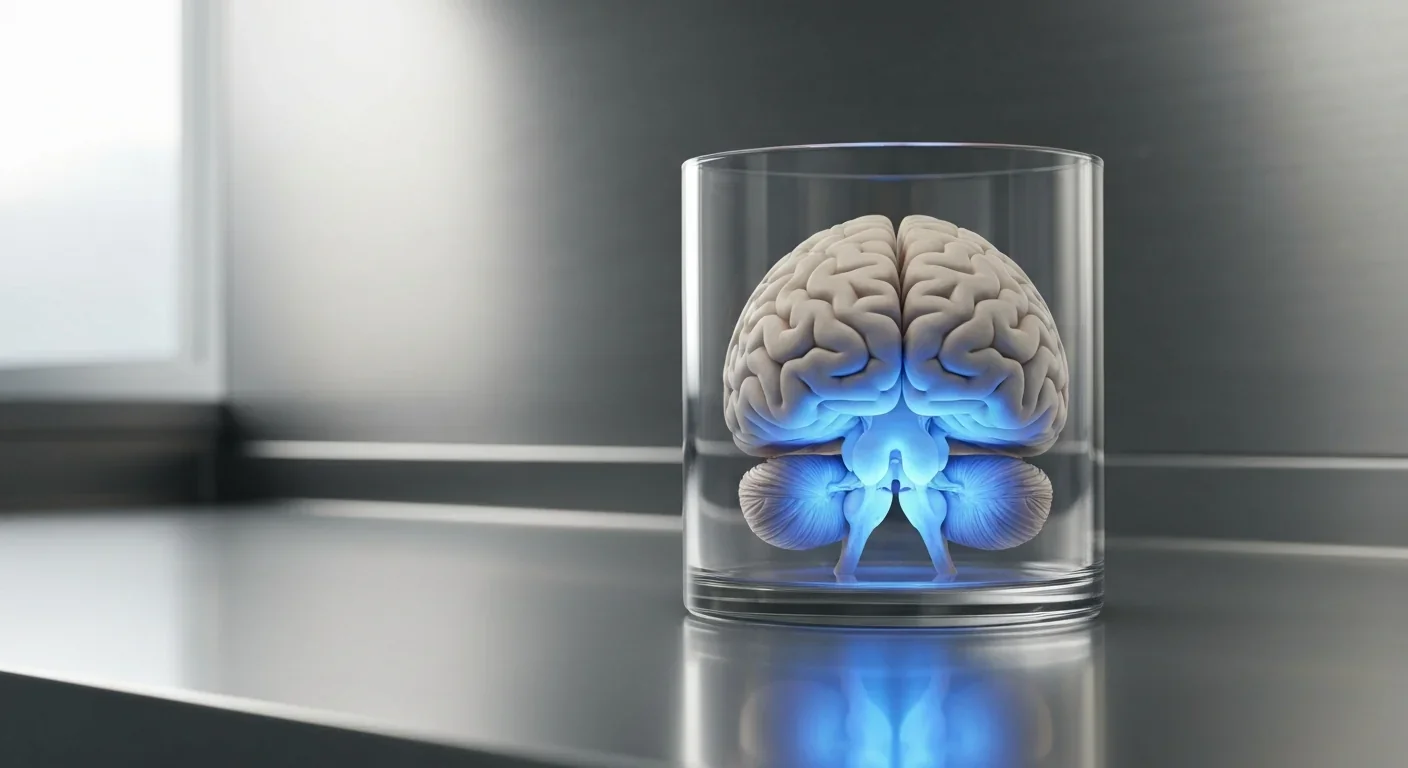
The locus coeruleus, a tiny brainstem structure, degenerates decades before Alzheimer's symptoms appear. Its loss cripples the brain's inflammation control, waste clearance, and sleep regulation. New imaging tools and noradrenergic therapies offer hope for early detection and prevention.

Research shows the sharing economy often increases total resource consumption through the Jevons paradox and rebound effects. Ride-sharing adds billions of vehicle miles, co-working spaces use more energy per worker, and diffused responsibility erodes conservation behavior. Breaking the paradox requires congestion pricing, accountability design, and matching sharing models to appropriate resource types.

Psychological reactance theory explains why banning or restricting things makes people want them more. From Prohibition to the Streisand effect to scarcity marketing, research shows that threatening people's freedom reliably backfires, and autonomy-supportive communication is far more effective.
A carnivorous pitcher plant in Borneo evolved to house bats instead of trapping insects, gaining up to 95% of its nitrogen from bat guano. The plant even built an ultrasonic reflector to help bats find it, revealing that carnivory in plants is a flexible spectrum.

The quantified self movement began as a hacker-ethos pursuit of personal insight, but corporate wearables now funnel biometric data to employers, insurers, and data brokers. With 81% of Americans wrongly believing health apps are HIPAA-protected, a regulatory void enables health data to be sold for pennies while generating anxiety instead of empowerment.

CXL memory pooling lets servers dynamically share DRAM over a cache-coherent interconnect, eliminating the 40% stranded memory waste in data centers. With commercial hardware now shipping and Azure deploying CXL cloud instances, this technology promises to cut memory costs by 50% while enabling composable infrastructure.

Loading featured articles...