Carnivorous Plant Farms Bat Poop Instead of Eating
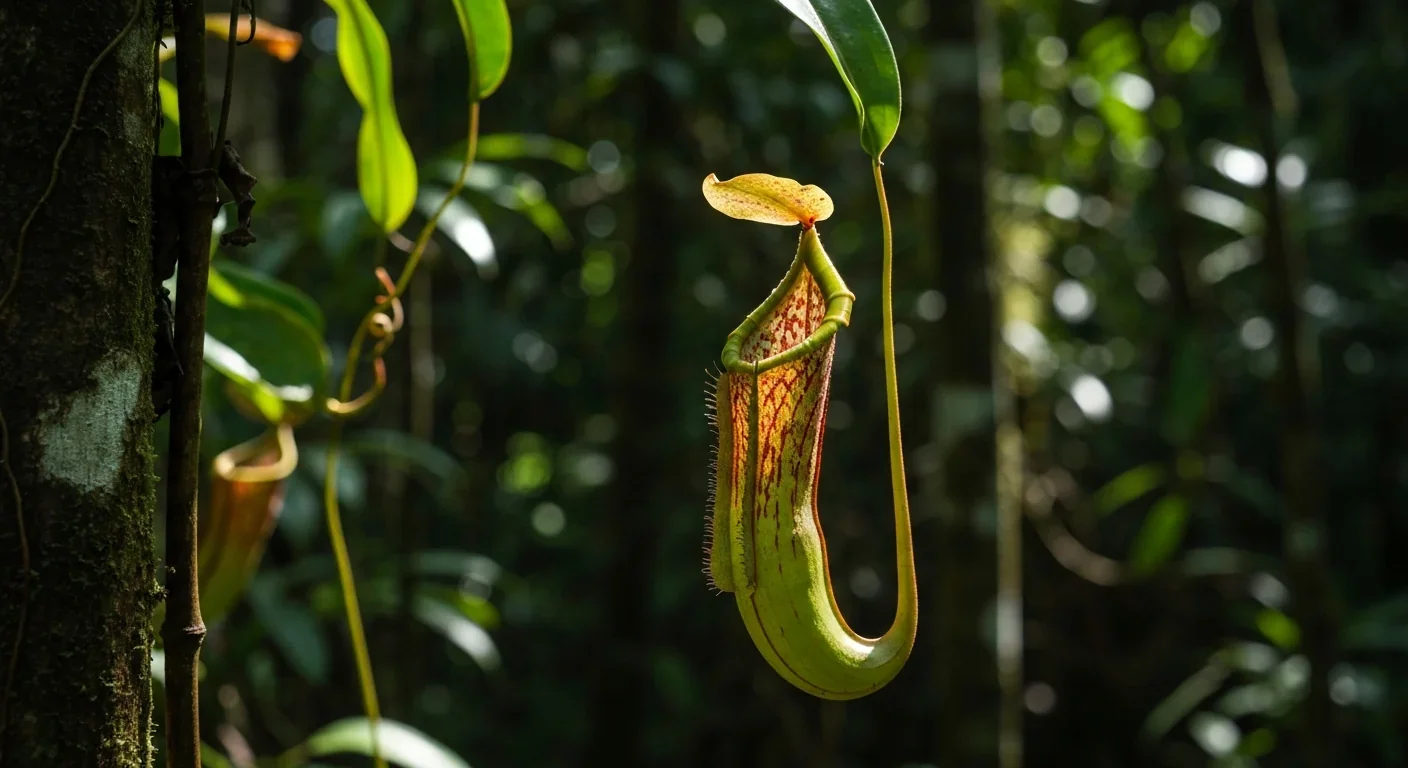
TL;DR: Antarctic mosses frozen for 1,500 years were revived by British researchers in 2014, revealing cryptobiosis mechanisms that challenge our understanding of biological survival limits and carry implications for climate science and the search for extraterrestrial life.
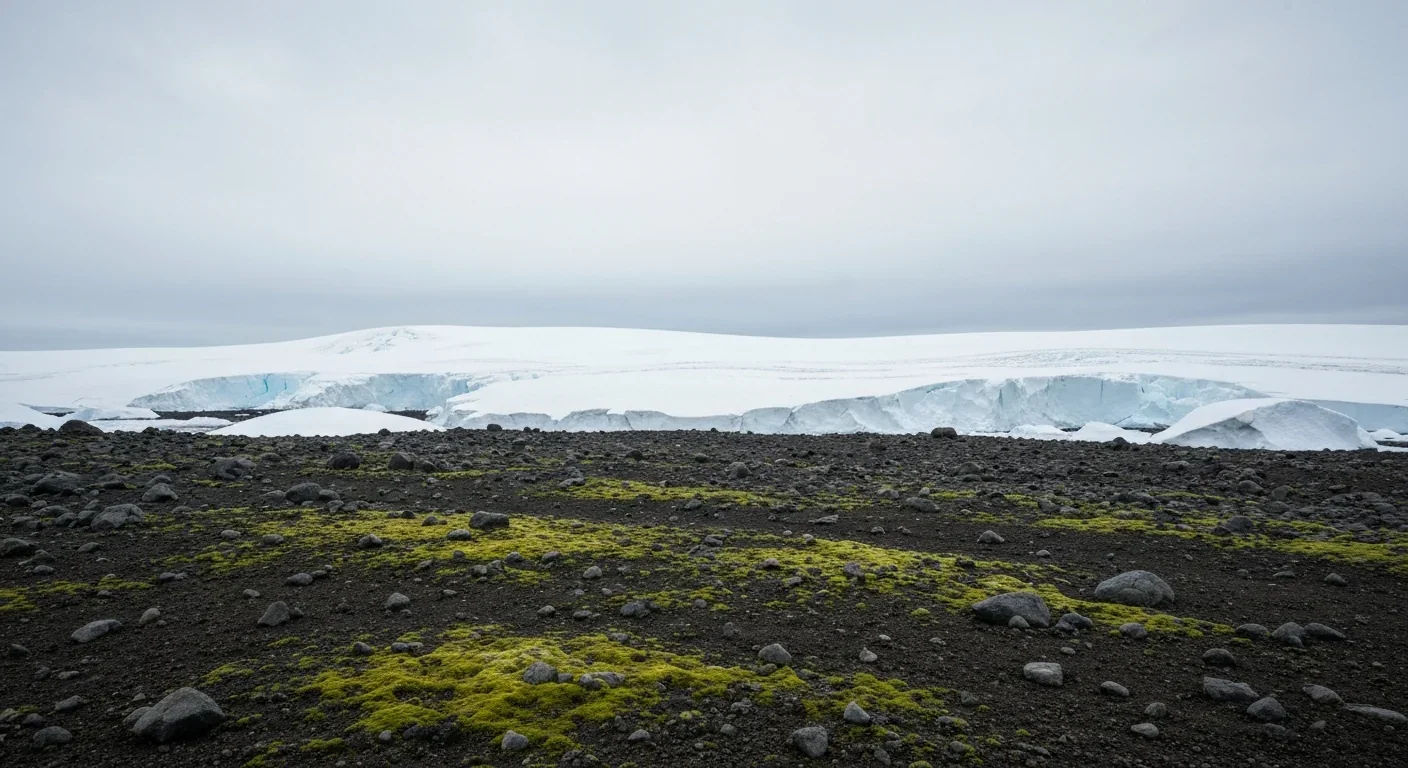
Imagine a world where death isn't permanent, where an organism can hit pause on life itself and press play fifteen centuries later. That's not science fiction. In 2014, researchers from the British Antarctic Survey pulled off something that sounds impossible: they coaxed mosses frozen in Antarctic ice for over 1,500 years back to active growth. The discovery didn't just break records. It cracked open fundamental questions about what it means to be alive, and whether life could be lurking in the frozen corners of our solar system.
The experiment was deceptively simple. Professor Peter Convey and his team extracted moss cores from deep within Antarctic permafrost on Signy Island in the South Orkney Islands. Using radiocarbon dating, they confirmed the moss at the deepest layers was at least 1,530 years old, possibly older. Then they sliced the frozen cores with extreme care, kept everything sterile to avoid contamination, and placed the samples in an incubator set to normal growth temperature and light levels.
After just a few weeks, green shoots appeared.
"This study shows that multi-cellular organisms, plants in this case, can survive over far longer timescales than previously thought," Convey explained. The finding was published in Current Biology in March 2014, and it immediately rewrote the record books. Before this, the oldest known revival of plant material involved campion seeds roughly 400 years old. The Antarctic mosses shattered that by nearly four times.
What makes this especially remarkable is that mosses aren't seeds waiting to sprout. They're complex, multicellular plants with differentiated tissues. The fact that entire moss shoots, not just dormant spores, could resume photosynthesis and growth after 15 centuries in ice forced biologists to rethink the upper limits of plant survival.
"This study shows that multi-cellular organisms, plants in this case, can survive over far longer timescales than previously thought."
- Professor Peter Convey, British Antarctic Survey
The phenomenon behind this resurrection has a name: cryptobiosis. The word literally means "hidden life," and it describes a state where metabolic activity drops to essentially undetectable levels. The organism doesn't grow. It doesn't reproduce. It doesn't repair itself in any obvious way. By every conventional measure, it looks dead.
But it's not.
Cryptobiosis is fundamentally different from hibernation. A hibernating bear still has a heartbeat, still burns calories, still breathes. Cryptobiotic organisms essentially flatline. Their cells enter a state of suspended animation so complete that biochemical reactions halt almost entirely. When favorable conditions return, water, warmth, and light, the whole system reboots.
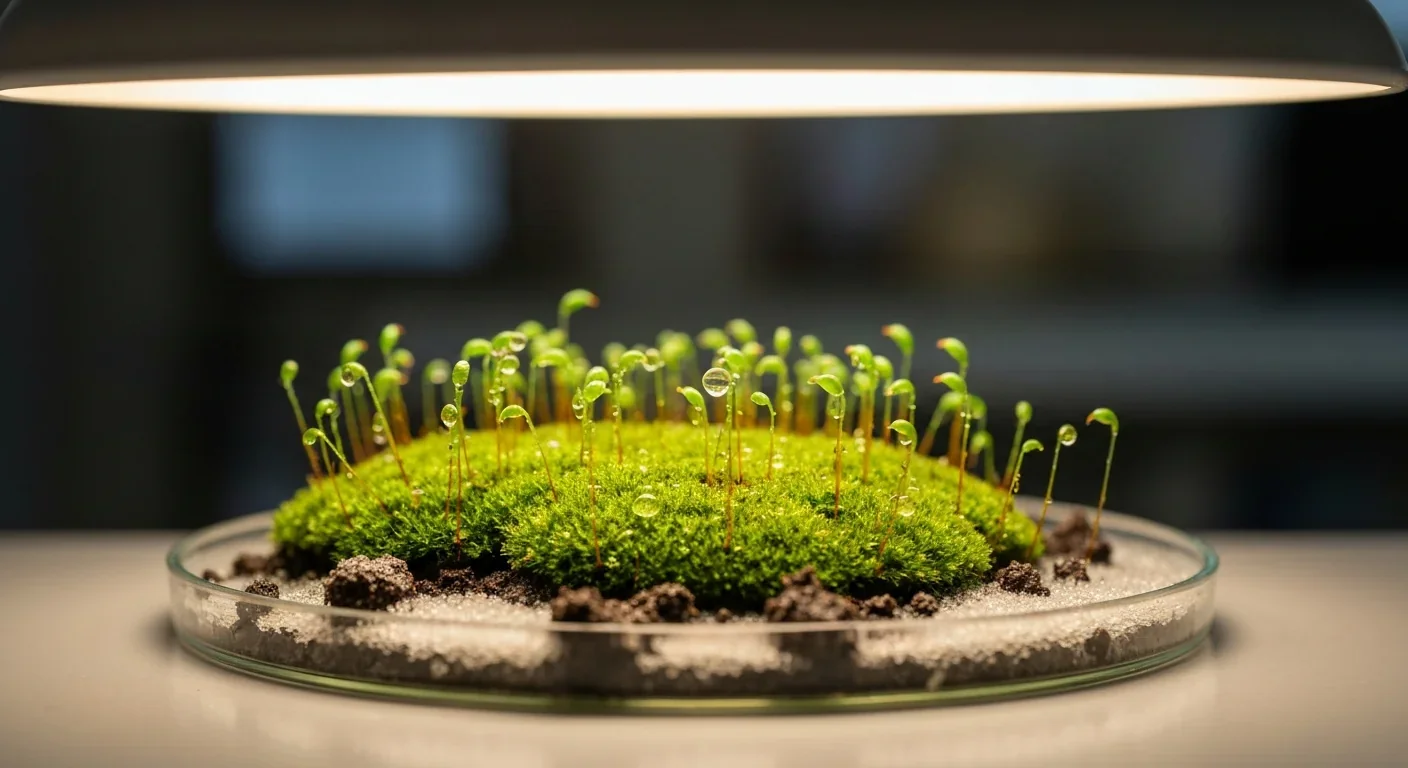
The trick lies in sophisticated cellular chemistry. When freezing or drying conditions set in, cryptobiotic organisms produce protective molecules. The sugar trehalose is one of the most important. It replaces water molecules inside cells and stabilizes proteins and membranes, preventing the kind of damage that would normally destroy cellular structures. Some organisms go further, achieving vitrification, a process where the cytoplasm forms a glass-like solid instead of crystallizing into ice. Ice crystals are the real killers because they rupture cell walls from the inside out. A glass-like state avoids that entirely.
Mosses appear to deploy a combination of these strategies. Scientists believe they concentrate sugars and sugar alcohols as temperatures drop, creating a natural antifreeze that prevents lethal ice crystal formation during extended freezing.
Cryptobiosis literally means "hidden life." Unlike hibernation, where metabolism slows, cryptobiotic organisms show zero detectable metabolic activity, yet remain capable of full revival when conditions improve.
The Antarctic moss discovery is stunning, but it sits within a growing catalogue of organisms that have proven biology textbooks wrong about the limits of survival.
Consider the tardigrade, that microscopic eight-legged creature also known as a water bear. Tardigrades can survive temperatures from -272 degrees Celsius, just above absolute zero, all the way up to 149 degrees Celsius. They've endured the vacuum of outer space, radiation doses 1,000 times lethal to humans, and pressures six times greater than the deepest ocean trench. When conditions turn hostile, they curl into a dehydrated ball called a tun, losing up to 90% of their body water within 30 minutes. Live tardigrades have been regenerated from dried moss kept in a museum for over 100 years.
Then there are the nematodes. In Siberia, researchers recovered a tiny roundworm from permafrost roughly 40 meters below the surface near the Kolyma River. Radiocarbon dating of the surrounding material placed the worm's age at approximately 46,000 years, dating back to the late Pleistocene. When thawed, it began feeding, growing, and reproducing as if nothing had happened.
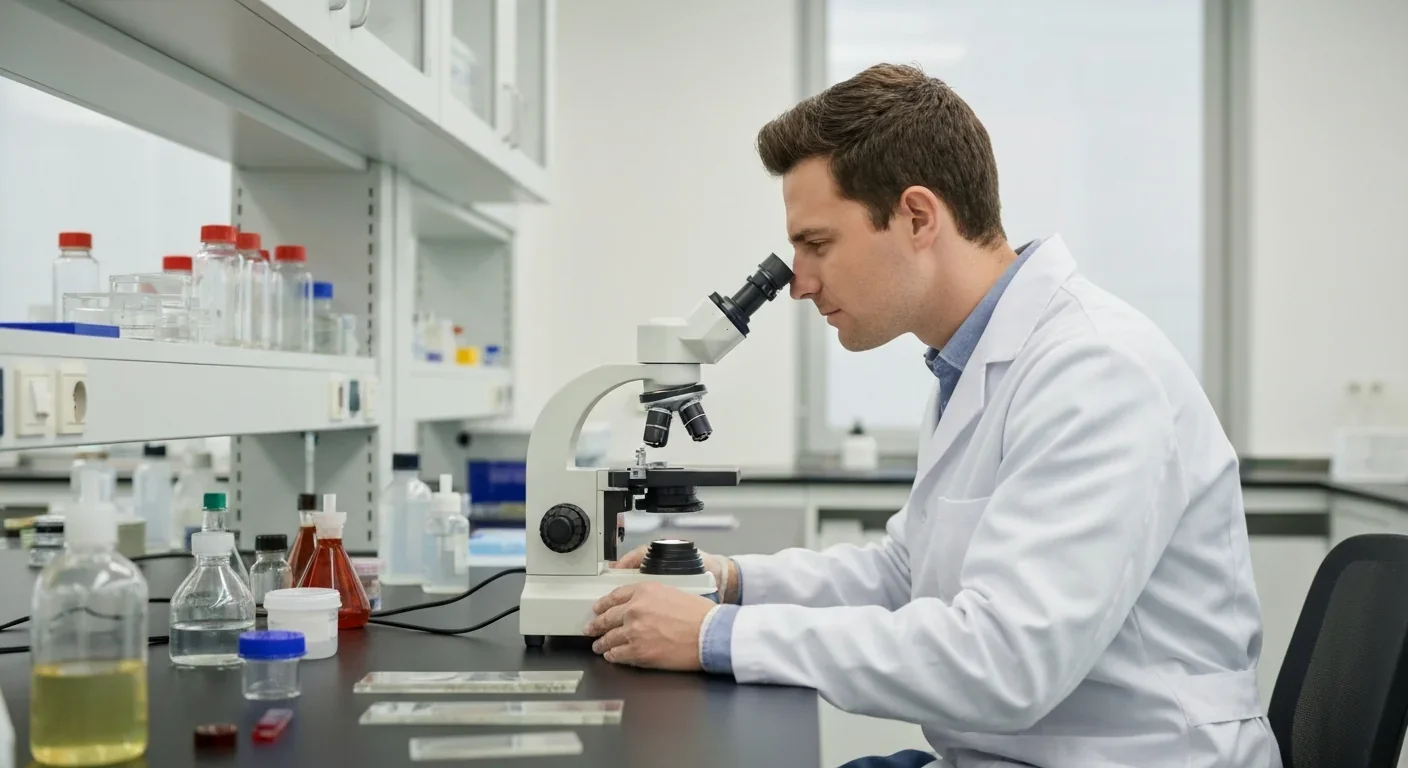
Genomic analysis of the revived nematode revealed it shared cryptobiosis-related genes with the well-known lab nematode Caenorhabditis elegans, including genes for producing trehalose. Russian scientists have also revived 24,000-year-old bdelloid rotifers from Siberian permafrost. These microscopic animals immediately began reproducing asexually after thawing.
"They suspend their metabolism and accumulate certain compounds like chaperone proteins that help them to recover from cryptobiosis when the conditions improve," explained lead researcher Stas Malavin.
And in perhaps the most astonishing plant revival on record, Russian researchers in 2012 regenerated a 32,000-year-old Silene stenophylla flower from fruit tissue preserved in Siberian permafrost. The regenerated plants grew to maturity, bloomed, and produced seeds with a 100% germination rate, compared to 90% for their modern counterparts.
So what actually happens inside a cell that lets it survive centuries of freezing? The answer involves multiple overlapping defense systems that scientists are still working to fully understand.
The first line of defense is trehalose and similar sugars. When water begins leaving cells during freezing or drying, trehalose steps in as a molecular substitute. It forms hydrogen bonds with proteins and lipid membranes in the same spots where water molecules normally sit. This keeps cellular structures in their proper shape even when completely dehydrated. The sugar essentially forms a glass-like shield around vulnerable components, locking everything in place like an insect preserved in amber.
The second defense is against oxidative stress. Even in a dormant state, cells face a slow accumulation of reactive oxygen species that can damage DNA, proteins, and membranes. Cryptobiotic organisms stockpile antioxidant compounds to neutralize these threats over the long haul.
But perhaps the most surprising discovery is that some repair work happens even while organisms are frozen. Brent Christner at Louisiana State University demonstrated that DNA repair processes can occur in frozen bacterial suspensions at -15 degrees Celsius. After exposing frozen microbes to the equivalent of 225,000 years of ionizing radiation, he watched as fragmented chromosomes began reassembling themselves over a two-year period in the freezer.
"This isn't a random process. This tells us that the cells are repairing their DNA."
- Brent Christner, Louisiana State University
That finding is remarkable because it suggests cryptobiosis isn't pure metabolic arrest. There's a low-level maintenance program running in the background, keeping the cellular machinery intact enough to reboot when conditions improve.
Tardigrades add another layer with their intrinsically disordered proteins, known as CAHS proteins. These form protective gels during dehydration, encasing vulnerable cellular components. When researchers introduced tardigrade CAHS proteins into mammalian cells, those cells gained significantly enhanced tolerance to osmotic stress, suggesting the mechanism could have applications far beyond the tardigrade itself.
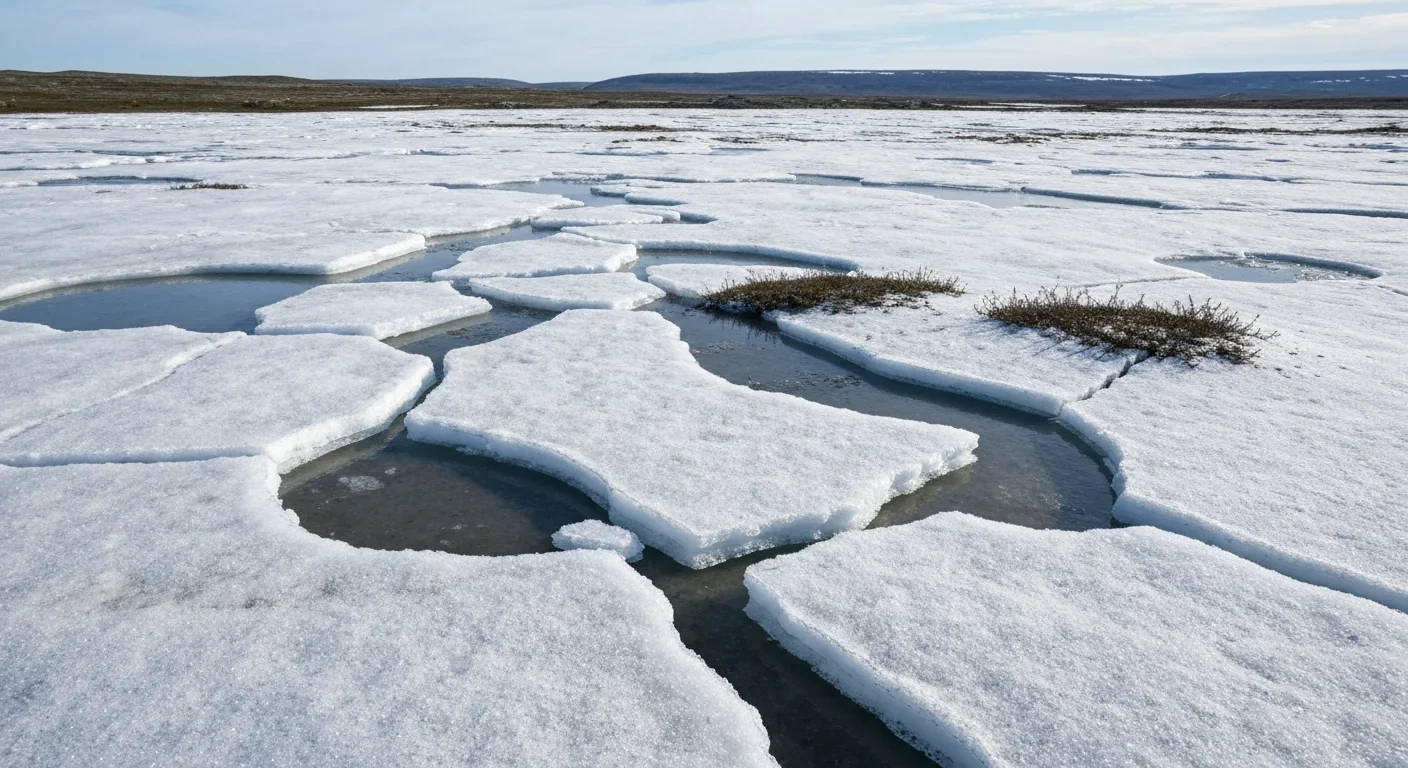
The implications of cryptobiosis stretch well beyond laboratory curiosity, especially as our planet warms. Earth's permafrost, the permanently frozen ground that covers about 24% of the Northern Hemisphere's land area, holds an estimated 1,700 billion tonnes of carbon, roughly double the amount currently in the atmosphere. Permafrost temperatures have risen 1.5 to 2.5 degrees Celsius over the past 30 years.
As that ice thaws, it releases greenhouse gases. But it also potentially releases ancient life. The 2016 anthrax outbreak in northern Russia, linked to thawing animal carcasses in permafrost, demonstrated that permafrost is not merely dead dirt. It's a living archive, packed with organisms that could wake up as the world warms.
For Antarctic ecosystems, though, the moss story carries a hopeful note. Professor Convey pointed out that if mosses can survive in this way, then recolonization after an ice age, once the ice retreats, would be far easier than migrating across oceanic distances from warmer regions. The mosses don't need to arrive from somewhere else. They're already there, frozen in place, waiting.
Permafrost holds an estimated 1,700 billion tonnes of carbon and covers 24% of the Northern Hemisphere's land area. As it thaws, it releases not just greenhouse gases but also ancient organisms that may resume living.
"What mosses do in the ecosystem is far more important than we would generally realise," Convey noted. In Antarctica, mosses are the dominant land plants. They form the foundation of terrestrial ecosystems, cycling nutrients and providing habitat for tardigrades, rotifers, and other microscopic life. Their ability to bounce back from millennia of ice could determine how quickly polar ecosystems recover as climate patterns shift.
Now zoom out from Earth entirely. If mosses can survive 1,500 years in Antarctic ice, and nematodes can survive 46,000 years in Siberian permafrost, and bacteria can repair their DNA at -15 degrees Celsius, what does that mean for icy moons like Europa and Enceladus?
"It just keeps looking better for conditions of habitability on Mars," Christner said after his frozen DNA repair discovery. NASA funded his research precisely because of these astrobiological implications.
The connection isn't abstract. Europa, Jupiter's moon, has a saltwater ocean beneath its ice shell. Enceladus, orbiting Saturn, shoots geysers of water vapor into space. Mars has subsurface ice deposits. If cryptobiotic organisms on Earth can survive tens of thousands of years in frozen ground, similar life forms could theoretically persist on these worlds, dormant, waiting for conditions that may never come, or that a future probe might accidentally provide.
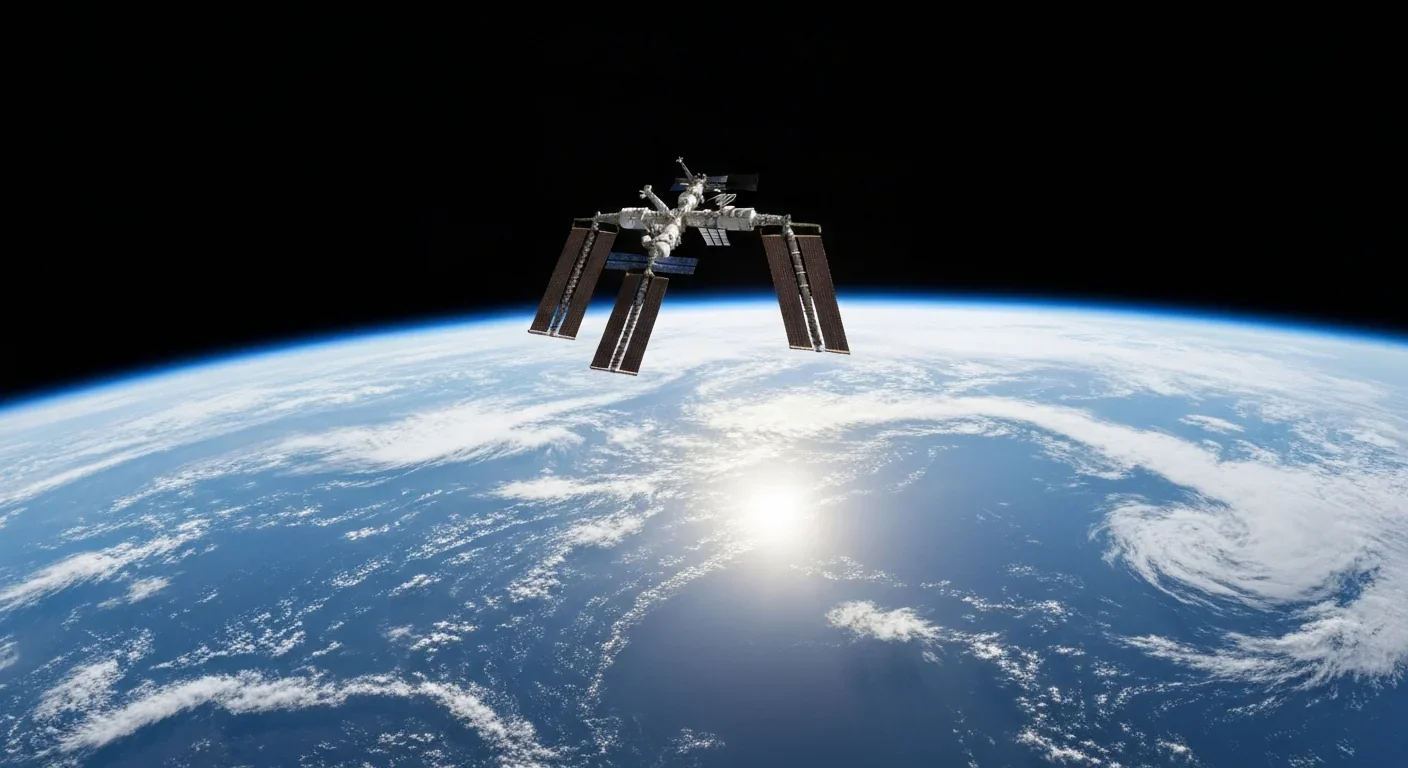
The space connection got even more concrete when Japanese researchers sent moss spores outside the International Space Station for nine months. The results were staggering. More than 80% of the Physcomitrium patens spores survived exposure to vacuum, cosmic radiation, extreme temperatures, and microgravity for 283 days. Back on Earth, about 86% of those survivors germinated normally. Mathematical modeling suggested the spores could survive up to 5,600 days, roughly 15 years, under similar conditions.
"This study demonstrates the astonishing resilience of life that originated on Earth," said lead researcher Tomomichi Fujita of Hokkaido University. "Ultimately, we hope this work opens a new frontier toward constructing ecosystems in extraterrestrial environments such as the moon and Mars."
The practical applications of cryptobiosis research are only beginning to emerge. Understanding how trehalose protects cells during freezing could transform organ preservation for transplant medicine. Vaccines that need refrigeration could be stabilized using similar molecular tricks. Crops engineered with cryptobiotic proteins might withstand severe drought, and moss itself could serve as a pioneer species for building ecosystems on the Moon or Mars, producing oxygen and stabilizing alien soil.
The moss on your garden wall seems unremarkable. But its ancient relatives, frozen beneath Antarctic ice for longer than the Roman Empire has been gone, have something profound to tell us. Life doesn't just survive. It persists in ways we're only beginning to understand. And in a universe full of frozen worlds, that persistence might be the most important biological story of all.
Project Orion was a real 1960s program to reach other stars by detonating 800 nuclear bombs behind a spacecraft. The physics worked and the engineering was feasible, but the 1963 nuclear test ban treaty killed it. It remains the most credible interstellar spacecraft ever designed.
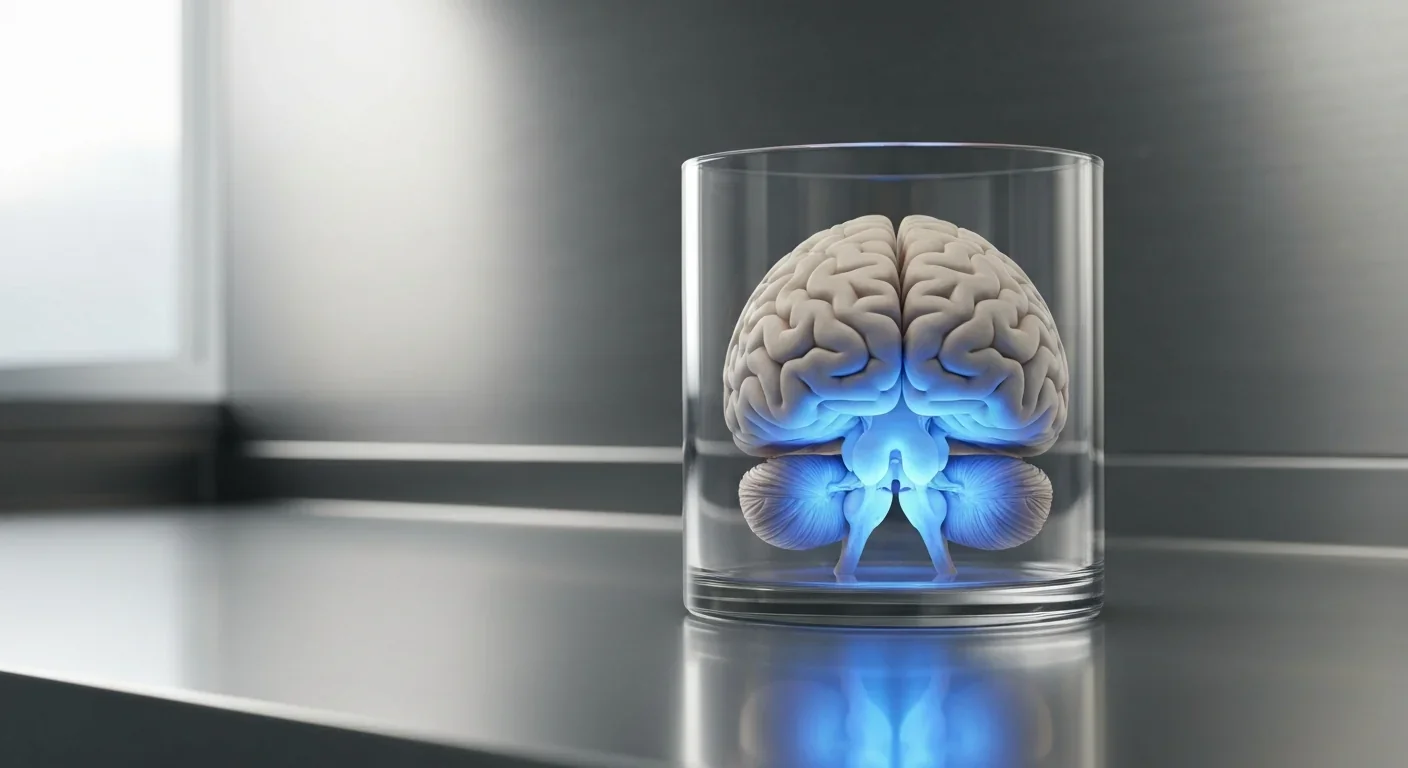
The locus coeruleus, a tiny brainstem structure, degenerates decades before Alzheimer's symptoms appear. Its loss cripples the brain's inflammation control, waste clearance, and sleep regulation. New imaging tools and noradrenergic therapies offer hope for early detection and prevention.

Research shows the sharing economy often increases total resource consumption through the Jevons paradox and rebound effects. Ride-sharing adds billions of vehicle miles, co-working spaces use more energy per worker, and diffused responsibility erodes conservation behavior. Breaking the paradox requires congestion pricing, accountability design, and matching sharing models to appropriate resource types.
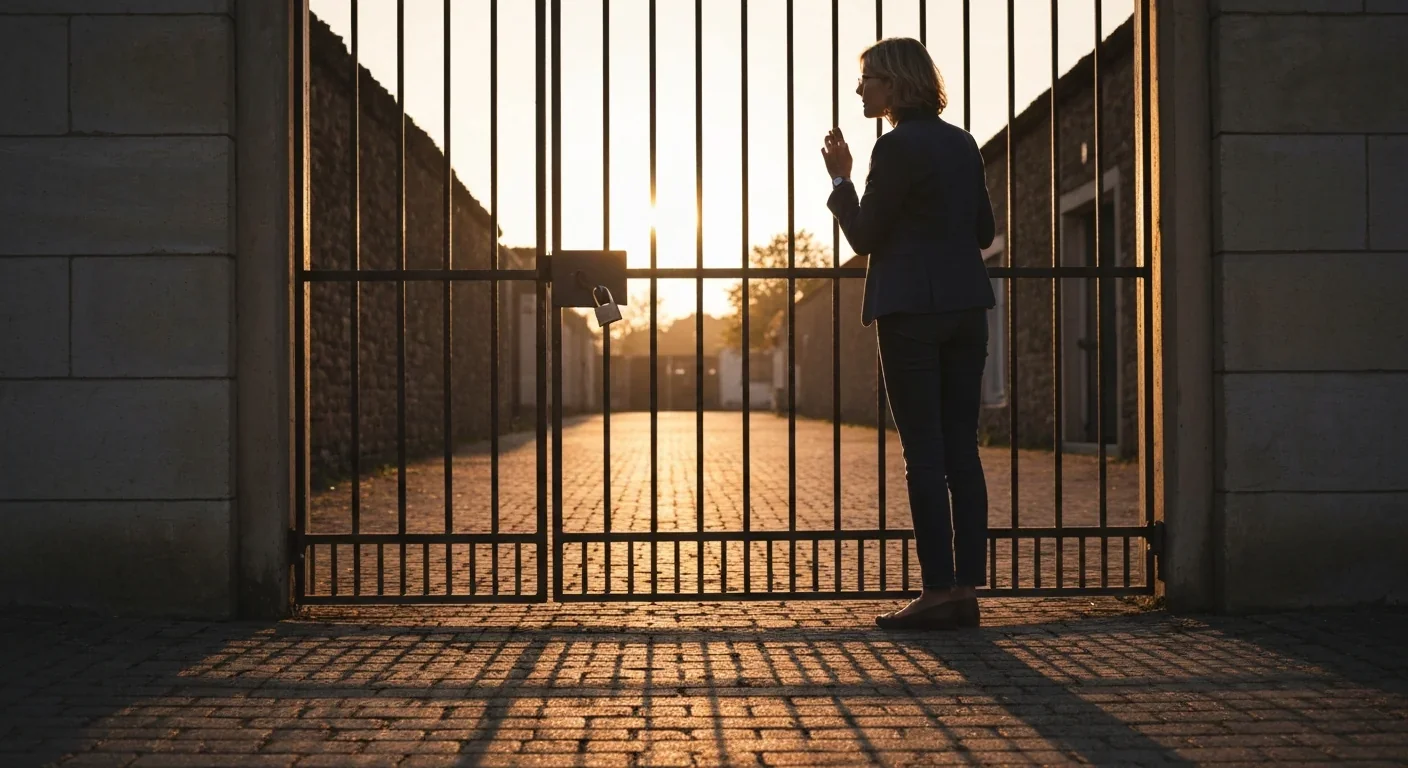
Psychological reactance theory explains why banning or restricting things makes people want them more. From Prohibition to the Streisand effect to scarcity marketing, research shows that threatening people's freedom reliably backfires, and autonomy-supportive communication is far more effective.
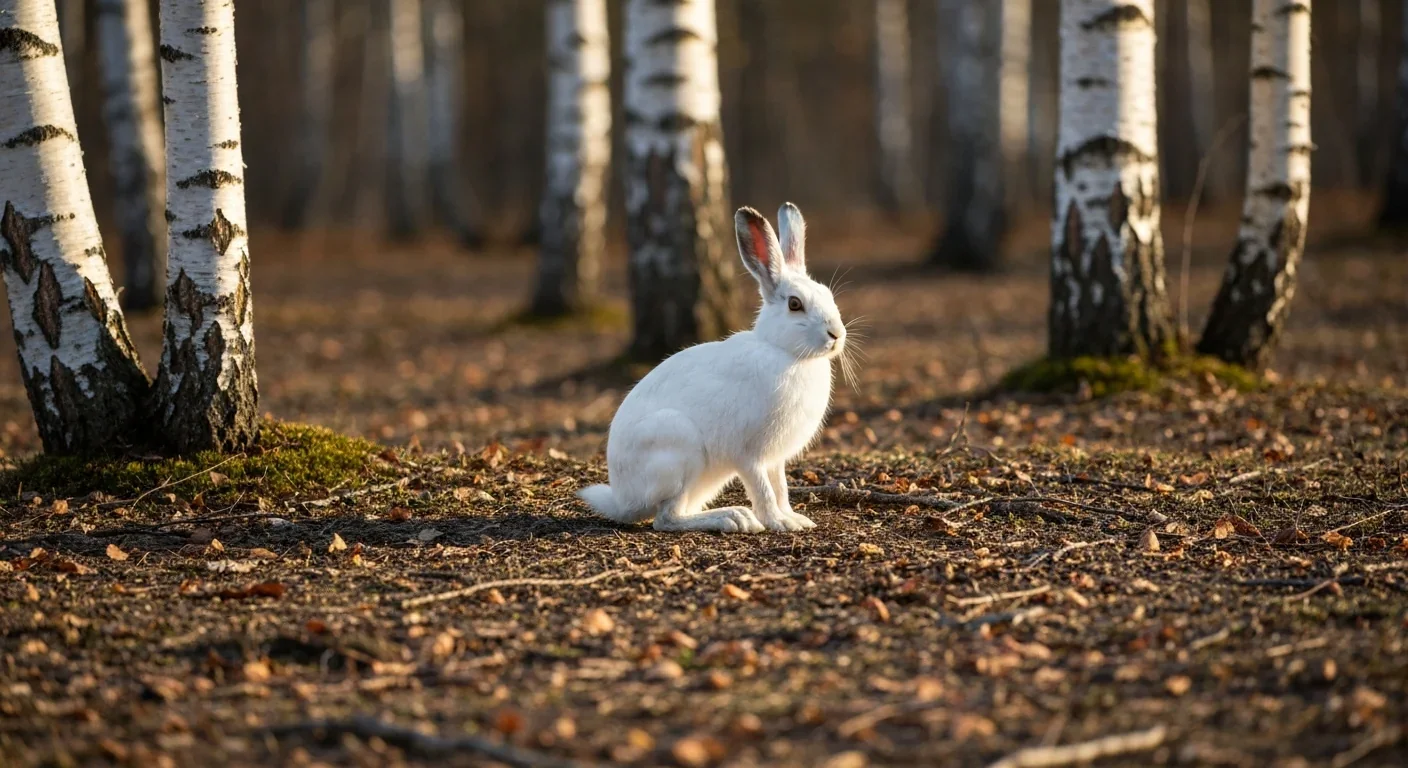
A carnivorous pitcher plant in Borneo evolved to house bats instead of trapping insects, gaining up to 95% of its nitrogen from bat guano. The plant even built an ultrasonic reflector to help bats find it, revealing that carnivory in plants is a flexible spectrum.

The quantified self movement began as a hacker-ethos pursuit of personal insight, but corporate wearables now funnel biometric data to employers, insurers, and data brokers. With 81% of Americans wrongly believing health apps are HIPAA-protected, a regulatory void enables health data to be sold for pennies while generating anxiety instead of empowerment.

CXL memory pooling lets servers dynamically share DRAM over a cache-coherent interconnect, eliminating the 40% stranded memory waste in data centers. With commercial hardware now shipping and Azure deploying CXL cloud instances, this technology promises to cut memory costs by 50% while enabling composable infrastructure.

Loading featured articles...