Carnivorous Plant Farms Bat Poop Instead of Eating
TL;DR: Plants pass stress memories to offspring through epigenetic modifications like DNA methylation and small RNAs, not DNA changes. This transgenerational inheritance could revolutionize crop breeding for climate resilience, with experiments showing stress tolerance persisting for up to 11 generations.
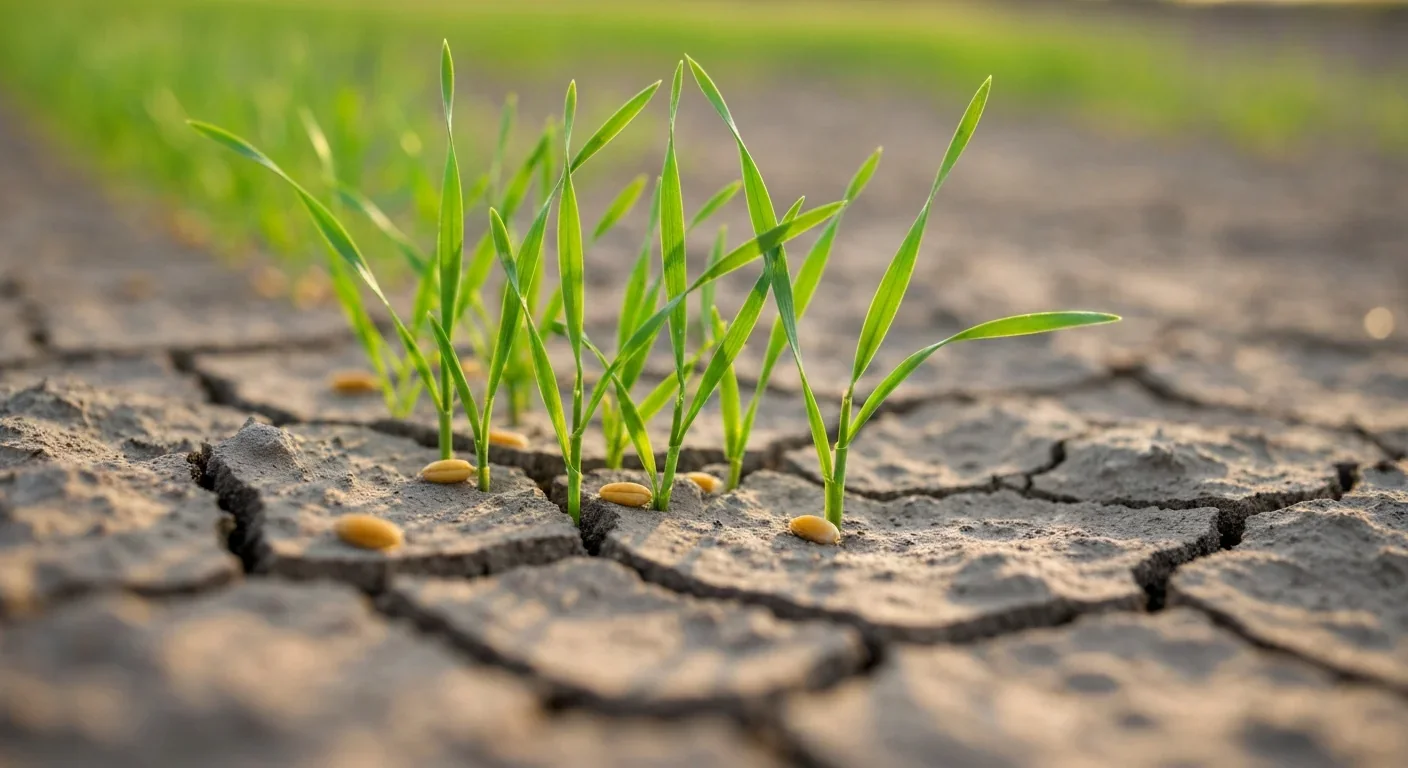
A wheat seedling has never experienced drought. Its parent plant has never experienced drought. But somehow, this third-generation offspring survives water scarcity better than plants whose ancestors never faced it. The seedling inherited something powerful from its stressed grandparent, and it wasn't written in its DNA. Welcome to the strange, quietly revolutionary world of transgenerational epigenetic inheritance, where plants pass down memories of hardship through molecular sticky notes attached to their genes rather than changes to the genes themselves.
For most of the last century, biology operated under a clean assumption: DNA is destiny. Genes mutate randomly, natural selection picks winners, and everything important about inheritance flows through the four-letter code of A, T, C, and G. Epigenetics has blown a hole in that story.
The term literally means "above genetics," and it refers to chemical modifications that sit on top of DNA and control which genes get turned on or off without altering the underlying sequence. Think of it like this: if your genome is a piano, epigenetics determines which keys get played and which stay silent. The piano itself doesn't change, but the music is completely different.
What's truly remarkable is that plants can pass these modifications to their offspring. A plant stressed by drought doesn't just adapt in its own lifetime. It tags certain genes with chemical markers, and those tags travel through seeds to the next generation, giving descendants a head start against the same threat. Research teams working with Arabidopsis, the workhorse model plant of genetics, have shown that drought-stressed plants produce offspring with enhanced drought tolerance for at least two subsequent generations. Rice plants subjected to drought simulation showed increased tolerance for at least 11 generations when propagated by single-seed descent.
Plants don't just adapt to stress in their own lifetime. They chemically tag their genes to prepare their offspring for the same threats, creating a biological early warning system that passes through seeds.
The idea that organisms can inherit acquired traits has a complicated, sometimes embarrassing history. Jean-Baptiste Lamarck proposed in the early 1800s that giraffes stretched their necks reaching for high leaves and passed longer necks to their young. Darwin's theory of natural selection eventually won the debate, and Lamarck became a cautionary tale about wishful thinking in science.
But biology has a way of circling back. The first real crack in the "DNA only" model appeared in maize in the mid-20th century, when researchers observed a phenomenon called paramutation. A silenced version of the b1 gene could convert an active version into a silenced state, and this change persisted across many generations without any alteration to the DNA sequence. It was heritable, it was stable, and it defied the classical rules.
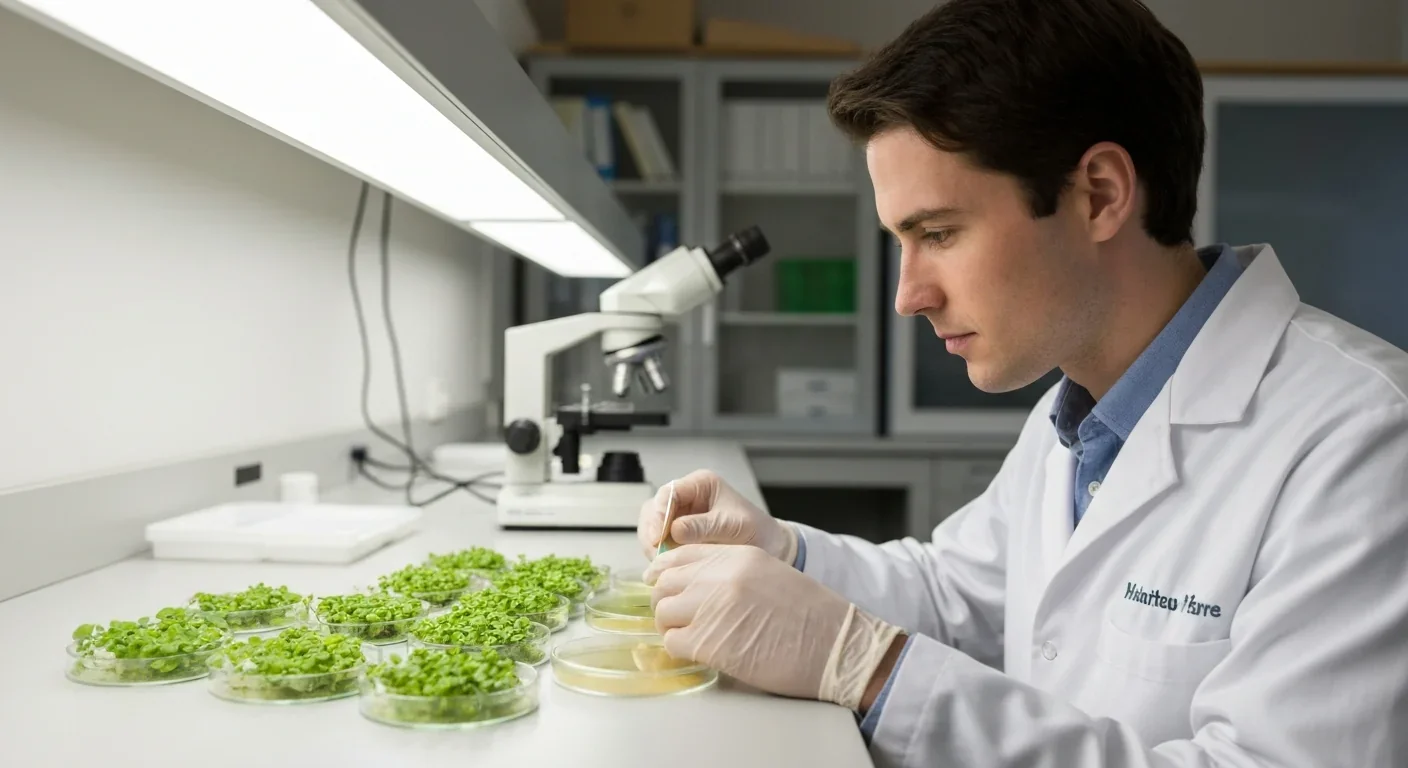
The discovery of DNA methylation provided the mechanism. Cells can attach small chemical groups, methyl tags, to cytosine bases in DNA, effectively muting nearby genes. In mammals, most of these marks get wiped clean between generations through a process called germline reprogramming. But plants are different. They lack a strict germline boundary, meaning any tissue can potentially contribute to reproductive cells. This absence of a hard reset means epigenetic marks can ride through reproduction far more easily than they do in animals.
The real acceleration came in the 2000s and 2010s, when researchers at Cold Spring Harbor Laboratory and other institutions began using high-throughput sequencing to map entire plant methylomes. They found that approximately 14-30% of cytosines in the Arabidopsis genome carry methyl marks, and that these patterns vary significantly between plant populations and ecological conditions. Just as the printing press transformed how humanity stored and transmitted knowledge, these molecular tools revealed that plants have their own ancient system for recording and sharing information across generations.
Three interconnected systems power epigenetic inheritance in plants: DNA methylation, histone modification, and small RNA pathways. Each plays a distinct role, and together they form a remarkably sophisticated information storage system.
DNA methylation in plants occurs in three sequence contexts: CG, CHG, and CHH (where H is any base except guanine). This is already more complex than mammals, which primarily methylate only CG sequences. Plants maintain these patterns using dedicated enzymes: MET1 handles CG sites, CMT3 manages CHG, and the RdDM/CMT2 pathway covers CHH. Each pathway can be independently regulated, giving plants fine-grained control over which genes stay silent and which become active.
Histone modifications add another layer. Histones are the protein spools around which DNA wraps, and chemical tags on these proteins can either tighten or loosen that wrapping. Tight wrapping silences genes; loose wrapping activates them. Under heat stress, for example, long non-coding RNAs like HILDA recruit chromatin modifiers to activate heat-shock protein genes, contributing to what researchers call heat memory.
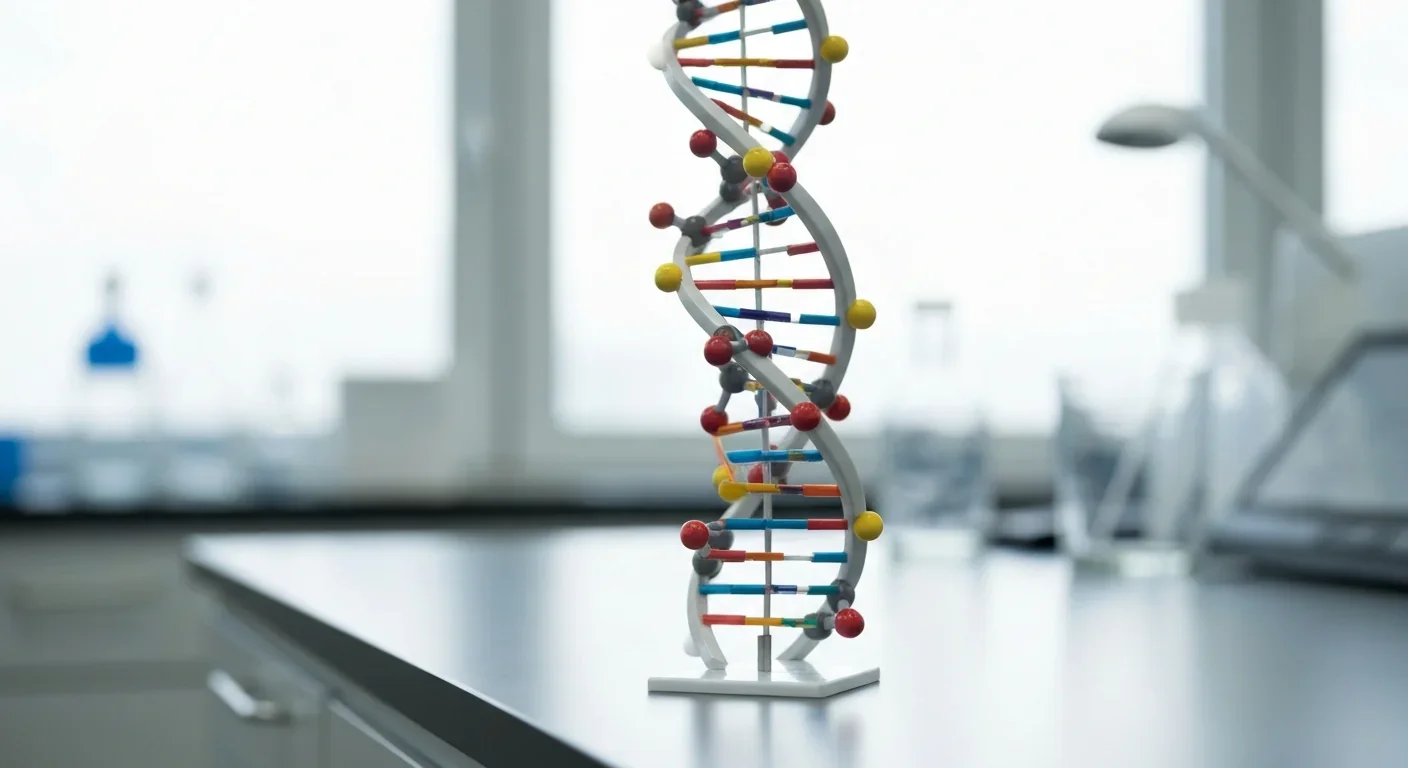
But the most fascinating player might be the small RNA pathway. Plants possess a unique system called RNA-directed DNA methylation, or RdDM, that uses two plant-specific RNA polymerases, Pol IV and Pol V, not found in any animal. These enzymes generate small interfering RNAs (siRNAs) that act as molecular GPS coordinates, guiding methylation machinery to specific DNA locations. Researchers at Cold Spring Harbor found that these small RNAs are produced in specialized nurse cells during pollen development and then migrate into reproductive cells, effectively programming the next generation's epigenome before seeds even form.
"Epigenetic inheritance, the inheritance by offspring of chemical 'tags' present in parental DNA that modify the expression of genes, is much more widespread in plants than in animals."
- Rob Martienssen, Ph.D., Cold Spring Harbor Laboratory
A 2021 study published in Science demonstrated that tapetal siRNAs drive de novo methylation at genes in male meiocytes and sperm, enabling paternal epigenetic inheritance. These siRNAs can even tolerate up to three mismatches with their target sequences, meaning the system is flexible enough to maintain epigenetic marks even as DNA sequences diverge over evolutionary time.
Not all stress leaves the same epigenetic fingerprint. Drought, heat, salinity, and pathogen attacks each trigger distinct patterns of methylation change, and their heritability varies.
Drought stress has produced some of the most compelling evidence. Arabidopsis plants subjected to water limitation showed hypomethylation of the RD29A gene, followed by enhanced drought tolerance in the F2 generation. In rice, the effect lasted even longer, with drought tolerance persisting for at least 11 generations through directional changes in genome-wide DNA methylation patterns.
Heat stress operates through a different mechanism. High temperatures can activate transposable elements, jumping genes that are normally silenced by methylation. When the heat strips away those methyl tags, some transposons wake up and remain active in progeny. The retrotransposon ONSEN in Arabidopsis, for instance, gets upregulated by heat stress but is normally kept in check by RdDM-associated small RNAs. When the RdDM pathway is compromised, heat-activated transposons can actually insert themselves into new genomic locations in the next generation, creating permanent genetic changes driven by an initially epigenetic response.

Salinity triggers increased histone acetylation at stress-responsive promoters, conferring salt tolerance to F1 progeny in rice. And pathogen exposure activates epigenetic defense priming, where plants essentially vaccinate their offspring through inherited methylation patterns that keep immunity genes at the ready.
Rice plants exposed to drought simulation showed increased tolerance that persisted for at least 11 generations, with directional changes in genome-wide DNA methylation patterns carrying the memory forward.
Not everyone in the field is convinced that transgenerational epigenetic inheritance is as powerful or widespread as enthusiasts claim. The debate is healthy, and it matters.
One major concern involves experimental standardization. Procedural differences in how organisms are tested can produce divergent observations. In studies on C. elegans worms, the Murphy lab found learned avoidance persisting to the F2 generation using one protocol, while other groups using different methods got different results. This kind of methodological sensitivity raises questions about how robust the phenomenon truly is.
Another challenge is distinguishing genuine transgenerational effects from simpler explanations. A stressed mother plant might provision her seeds differently, giving offspring a temporary survival advantage that looks like inheritance but fades quickly. True transgenerational epigenetic inheritance requires effects that persist beyond the F2 generation, since the F1 embryo was directly exposed to the original stress.
The epiRIL experiments in Arabidopsis have provided some of the strongest evidence. Researchers created 120 epigenetically distinct but genetically identical lines and demonstrated that selection on traits like biomass, rosette size, and flowering time produced corresponding shifts in DNA methylation patterns that were heritable. The breeder's equation, traditionally applied to genetic variation, worked just as well for epigenetic variation, suggesting that natural selection can act on non-genetic inheritance.
"The breeder's equation can indeed be applied to more than just genetically heritable variation; it can also be applied to non-genetically heritable variation."
- Pujol et al., Peer Community in Evolutionary Biology
The practical implications have attracted attention from research groups and companies worldwide. In the United States, EpiCrop Technologies has reported 10-plus years of field trials showing significant yield increases in tomato, soy, canola, and sorghum using non-GMO epigenetic enhancement technology, with traits remaining heritable for four generations or more.
In Japan and Europe, researchers studying wheat epigenetics have found that epigenomic reprogramming contributes to genome stability and influences key agronomic traits including flowering time and environmental stress responses. Polyploid crops like wheat present a particularly interesting case because their multiple subgenomes interact epigenetically, creating opportunities for unique adaptation strategies.
The technology also carries a potential equity advantage. Traditional genetic engineering requires expensive laboratory infrastructure and often faces regulatory hurdles that limit access for farmers in developing nations. Epigenetic breeding approaches, by contrast, could work through simpler methods like controlled stress exposure or chemical seed treatments that temporarily induce beneficial methylation patterns. This means the technology could potentially reach smallholder farmers in regions most vulnerable to climate change, where food security depends on crops that can handle increasingly unpredictable weather.
Researchers are now exploring how CRISPR-dCas9 systems can precisely modify DNA methylation patterns without altering the underlying DNA sequence. Unlike traditional transgenic technology, epigenome editing doesn't introduce foreign genes, which could ease regulatory approval and public acceptance. The integration of artificial intelligence into multi-omics data pipelines is accelerating the identification of epigenetic targets for crop improvement, potentially shortening breeding cycles that currently take years.
The coming decade will likely determine whether epigenetic crop breeding moves from promising research to standard agricultural practice. Several things need to happen.
Field-based studies must confirm that laboratory findings hold up under realistic agricultural conditions. A methylation change that boosts drought tolerance in a growth chamber might behave differently in a farmer's field with competing stresses, variable soil microbiomes, and real-world temperature fluctuations.
Scientists also need better tools for predicting which epigenetic modifications will remain stable across enough generations to be agriculturally useful. Some marks fade after two or three generations while others persist for dozens. Understanding what separates a temporary note from a permanent record is one of the field's central challenges.
For anyone watching this space, the key insight is this: plants have been running a sophisticated inheritance system alongside DNA for millions of years, one that lets them adapt to changing environments faster than random mutation ever could. As Rob Martienssen of Cold Spring Harbor Laboratory has noted, understanding this system will fundamentally influence how we think about cross-breeding to select for desired traits. In a world where climate change is outpacing the speed of conventional crop breeding, that hidden layer of epigenetic inheritance might be exactly the tool agriculture needs.
Epigenome editing doesn't alter DNA sequences, potentially easing regulatory approval and making climate-resilient crop breeding accessible to farmers worldwide, including those in developing nations most vulnerable to food insecurity.

Project Orion was a real 1960s program to reach other stars by detonating 800 nuclear bombs behind a spacecraft. The physics worked and the engineering was feasible, but the 1963 nuclear test ban treaty killed it. It remains the most credible interstellar spacecraft ever designed.

The locus coeruleus, a tiny brainstem structure, degenerates decades before Alzheimer's symptoms appear. Its loss cripples the brain's inflammation control, waste clearance, and sleep regulation. New imaging tools and noradrenergic therapies offer hope for early detection and prevention.

Research shows the sharing economy often increases total resource consumption through the Jevons paradox and rebound effects. Ride-sharing adds billions of vehicle miles, co-working spaces use more energy per worker, and diffused responsibility erodes conservation behavior. Breaking the paradox requires congestion pricing, accountability design, and matching sharing models to appropriate resource types.

Psychological reactance theory explains why banning or restricting things makes people want them more. From Prohibition to the Streisand effect to scarcity marketing, research shows that threatening people's freedom reliably backfires, and autonomy-supportive communication is far more effective.
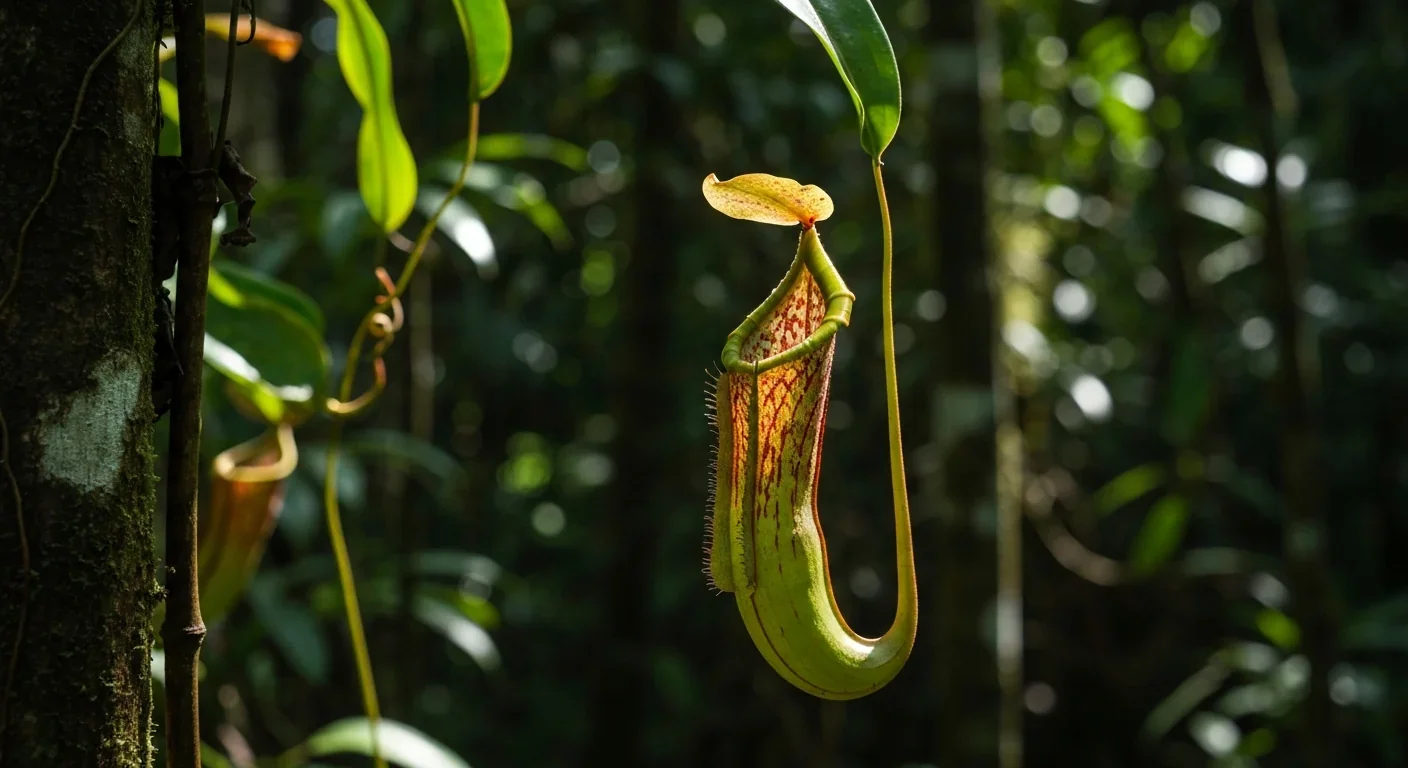
A carnivorous pitcher plant in Borneo evolved to house bats instead of trapping insects, gaining up to 95% of its nitrogen from bat guano. The plant even built an ultrasonic reflector to help bats find it, revealing that carnivory in plants is a flexible spectrum.

The quantified self movement began as a hacker-ethos pursuit of personal insight, but corporate wearables now funnel biometric data to employers, insurers, and data brokers. With 81% of Americans wrongly believing health apps are HIPAA-protected, a regulatory void enables health data to be sold for pennies while generating anxiety instead of empowerment.

CXL memory pooling lets servers dynamically share DRAM over a cache-coherent interconnect, eliminating the 40% stranded memory waste in data centers. With commercial hardware now shipping and Azure deploying CXL cloud instances, this technology promises to cut memory costs by 50% while enabling composable infrastructure.

Loading featured articles...