Carnivorous Plant Farms Bat Poop Instead of Eating
TL;DR: Beneath forests lies a vast fungal network connecting trees like an underground internet, enabling nutrient sharing, chemical signaling, and climate regulation. This hidden infrastructure sustains forest health and offers revolutionary potential for agriculture and conservation.
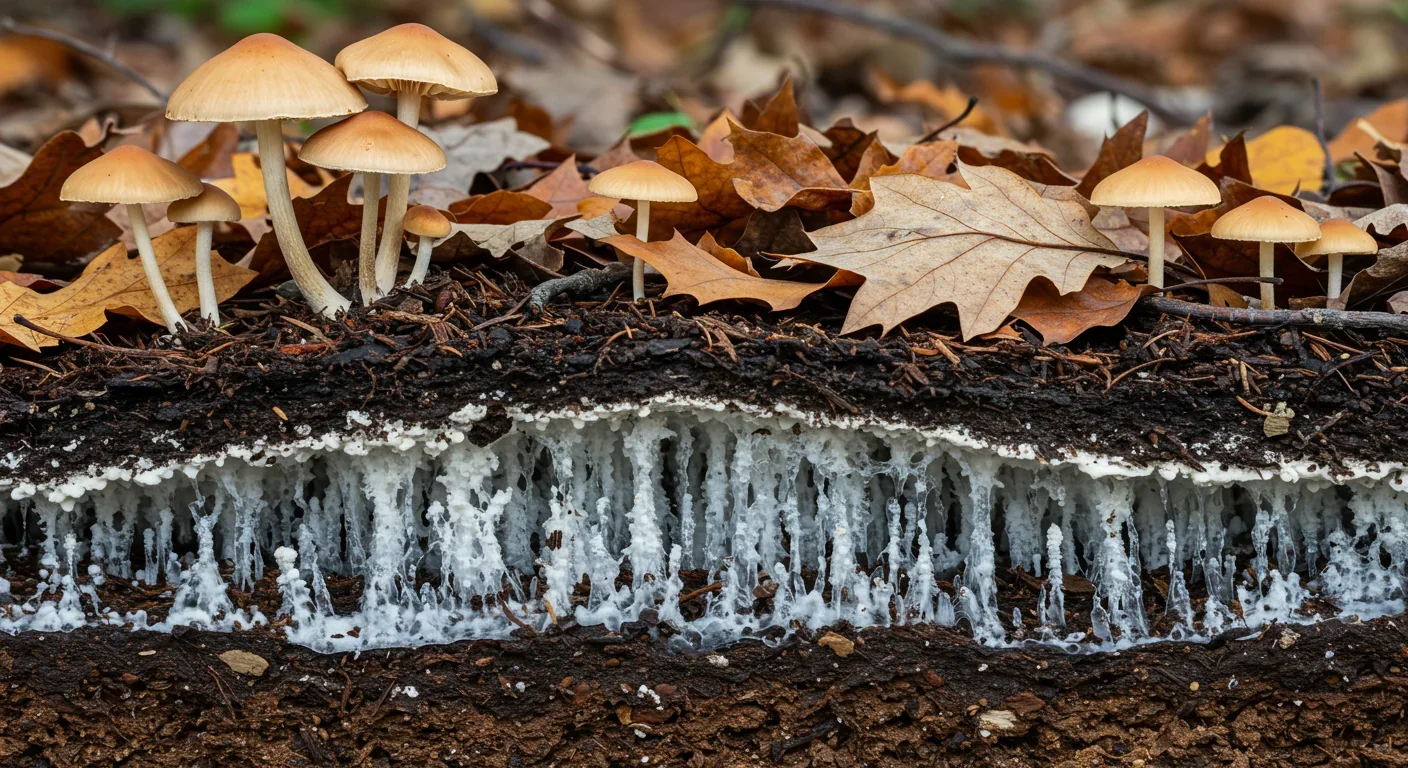
When modern humans evolved about 40,000 years ago, there were six trillion trees already reshaping the planet's air, water, and fire cycles. They weren't working alone. Beneath your feet right now, invisible highways stretch for miles, connecting trees that seem to stand apart. These aren't fiber optic cables or ethernet lines. They're fungal threads so dense that a single cubic inch of healthy soil contains nearly a mile of them. We're only beginning to understand how this hidden network keeps forests alive, regulates climate, and might transform the way we grow food.
Picture the internet: billions of connected devices exchanging information, rerouting around failures, distributing resources where they're needed. Now picture this happening underground, for 450 million years, powered by organisms we barely noticed.
Mycorrhizal fungi form partnerships with about 90% of land plants, wrapping their threadlike hyphae around or inside root systems. These aren't passive connections. When fungal threads contact plant roots, they create a symbiosis called mycorrhiza, both parties benefiting from the exchange. Fungi receive sugars produced by photosynthesis, while plants gain access to nutrients like nitrogen and phosphorus that fungi excel at extracting from soil.
But here's where it gets interesting: these fungal threads don't stop at one tree. They keep going, linking dozens, sometimes hundreds of trees together. The honey fungus in Oregon spans nearly four square miles, making it one of the largest organisms on Earth. It's not alone. Forests worldwide sit atop vast mycelial networks that operate as both vascular system and neural tissue.
The mechanics are surprisingly sophisticated. Fungal hyphae don't just transport water and minerals passively. Research with Resinicium bicolor fungi showed they can dissolve minerals like strontium from rocks, transport them upward through soil via their hyphal network, and repackage them into tiny crystals of calcium oxalate. These crystals act as nutrient banks, storing minerals for gradual release over time.
Think of it like caching in computer networks, but biological. The fungi don't deliver everything immediately. They store reserves for when conditions deteriorate, like drought or winter when photosynthesis slows.
The communication system is equally remarkable. When an aphid attacks one tree, that tree releases chemical defense signals into the mycelial network. Those signals travel through fungal hyphae to neighboring trees, which then preemptively ramp up their own protective enzymes before the pest arrives. It's an early warning system that spans entire forests.
And the distribution isn't egalitarian. Dr. Suzanne Simard's experiments with radioactive carbon isotopes revealed that mature "mother trees" actively send excess carbon to shaded saplings struggling to photosynthesize. Even more surprisingly, this transfer works across species. Plants don't just help their own kind; the network enables cross-species support crucial for ecosystem recovery after disturbances.
This interconnectedness challenges everything we thought about forests. We saw individual trees competing for light, water, and nutrients. Reality looks more like cooperation mediated by fungal partners.
Dr. Suzanne Simard describes how trees need proximity and receptive soil to establish together, mixing with other species in patterns that create the wood-wide-web. The forest becomes resilient from this complexity, not despite it. When you thin forests or space trees too far apart, you don't just lose canopy cover. You sever the underground connections that buffer against drought, disease, and disturbance.
The evidence keeps mounting. Mycelial networks are so efficient at extracting moisture and nutrients that they help plant partners survive prolonged drought and poor soil quality. During winter, when daylight shortens and photosynthesis drops, some plants produce few or no nutrients and depend entirely on fungi for sugars and nitrogenous compounds absorbed from waste materials in the soil.
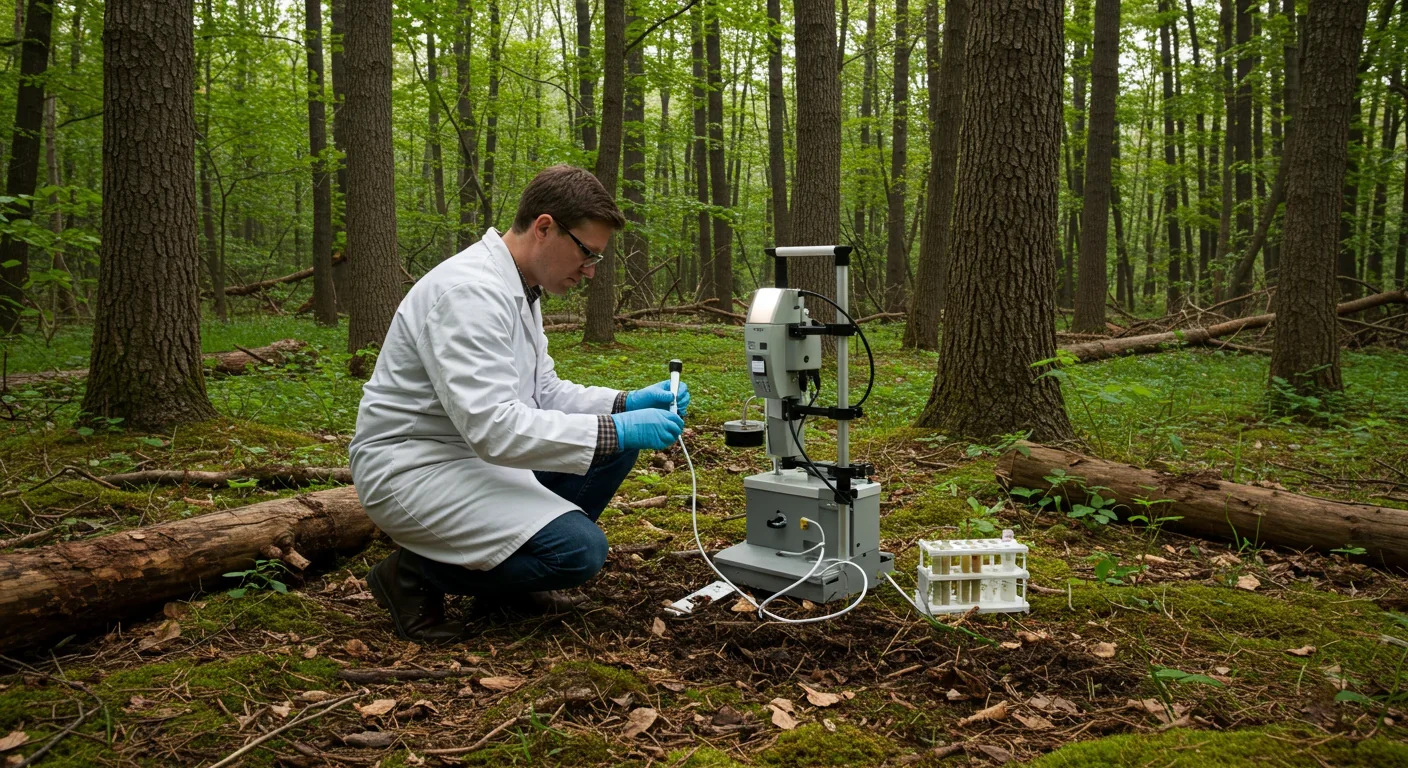
Professor Andrew Adamatzky's 2022 study found something even stranger: electrical spiking patterns in mycelium form clusters that statistically resemble human language structures. The spikes occur in "trains" with distribution and length patterns matching linguistic models. Whether this represents actual communication or complex biochemical coordination remains debated, but it suggests information processing more sophisticated than we imagined.
The implications extend far beyond individual forest health. These networks are climate infrastructure operating at planetary scale.
Trees function as the original terraformers, shaping water flow, soil composition, and atmospheric chemistry for millions of years. Their fungal partners are integral to this. By moving nutrients from deep soil layers to surface roots, storing carbon in both living tissue and soil, and supporting plant communities that wouldn't survive alone, mycelial networks amplify forests' ability to sequester carbon and regulate regional climate.
When forests burn or get clearcut, we don't just lose trees. We destroy networks that took decades to establish and perform ecosystem services we're only beginning to quantify. The carbon storage capacity alone makes their preservation urgent.
Agriculture is starting to pay attention. Traditional farming practices often work against fungal networks. The theory of dominance gets expressed through weeding, spacing, thinning, and other methods that promote prized individuals at the expense of community cooperation. When we till soil repeatedly, apply fungicides, or grow monocultures, we shred the mycelial connections that could be helping crops.
Some farmers are experimenting with different approaches. In Castel del Giudice, Molise, a forest project combined tree planting with mycorrhizal hazelnuts and truffles, producing high-quality timber, biodiversity, and valuable non-wood products simultaneously. It's agroforestry that works with fungal networks instead of against them.
The potential goes further. Research on endophytic fungi like Aspergillus niger VN2 shows significant crop improvements under salt stress. When colonized with this fungus, mung bean plants showed 1.83-fold increased root length, 1.73-fold higher shoot weight, and 40.5% more chlorophyll even at high salinity levels. The fungus synthesizes growth-promoting hormones, solubilizes phosphate, and produces compounds that mitigate oxidative stress.
These aren't marginal gains. They're the difference between viable harvests and crop failure in increasingly challenging growing conditions. As climate change drives more extreme weather, soil salinization, and water scarcity, agricultural systems that harness fungal partnerships may become necessity, not novelty.
The parallels to digital networks aren't superficial. Both systems route resources and information through distributed nodes. Both employ redundancy so single-point failures don't collapse the whole system. Both demonstrate emergent intelligence where network behavior exceeds what individual nodes could achieve alone.
But the biological version has advantages. It's self-organizing. It runs on solar energy captured through photosynthesis. It stores carbon instead of emitting it. It has operated successfully for hundreds of millions of years without needing upgrades or maintenance.
Computer scientists are taking notes. Fungal growth algorithms inspire optimization models for logistics networks. The way mycelium explores space efficiently while minimizing material use informs everything from urban planning to Mars habitat design. Biology pioneered solutions that engineering is only now rediscovering.
Despite decades of research, massive gaps remain. We don't fully know how trees "decide" where to send resources. We can't predict which fungal species will provide the most benefit in specific conditions. We barely understand how climate change will alter these partnerships as temperature and precipitation patterns shift.
Some fungi remain generalists, partnering with many plant species. Others specialize narrowly. Some networks enhance biodiversity and resilience. Others may facilitate invasive species or disease spread. The wood-wide-web isn't necessarily benign, just complex.
Recent debates question whether earlier studies overstated the networks' importance. Critics point to experiments where effects disappeared under rigorous controls. Proponents counter that lab conditions don't capture real-world complexity. The scientific process is working as it should, refining initial discoveries into more nuanced understanding.
What's not in dispute: the networks exist, they mediate nutrient and signal exchange, and they influence forest dynamics in ways that matter for conservation and management.
If forests function as networked superorganisms, conservation strategies need rethinking. Protecting isolated fragments may preserve individual trees but sever the fungal connections that sustain them long-term. Restoration requires more than planting saplings; it means establishing the underground infrastructure that supports resilience.
Harriet Rix notes that trees aren't victims of change but agents of change in the grand ecological narrative. Their capacity for active ecosystem engineering depends on their fungal partners. Lose the fungi, and trees become isolated individuals vulnerable to exactly the stresses these networks evolved to buffer against.
Some practical steps are emerging. Avoid excessive soil disturbance during forestry operations. Maintain diverse tree species and age classes to support network complexity. Minimize fungicide use in and around natural areas. Where restoration is necessary, inoculate young trees with appropriate mycorrhizal fungi to jumpstart network formation.
Urban forestry is catching on too. City trees often struggle in compacted, sterile soils lacking fungal partners. Strategic inoculation and soil management that supports mycelial growth can dramatically improve urban tree health and survival.
The next decade will likely bring breakthroughs in mapping these networks at scale. Advances in soil sensing, DNA analysis, and machine learning are making it possible to visualize underground architecture we could only infer before. We'll learn which management practices sustain networks and which inadvertently destroy them.
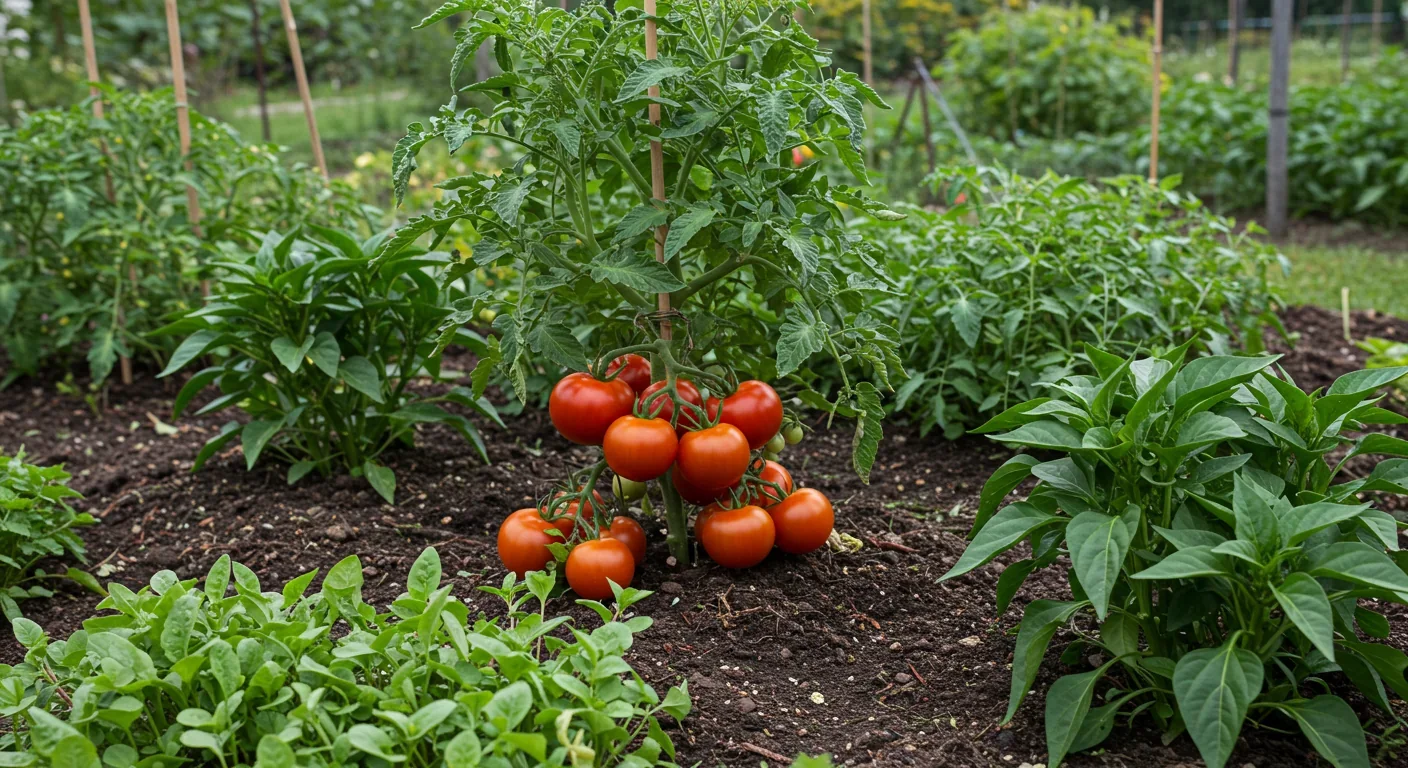
Agricultural applications will expand as we identify and cultivate beneficial fungal strains for specific crops and conditions. Expect to see mycorrhizal inoculants become standard in regenerative agriculture, particularly for perennial crops and agroforestry systems.
Climate policy might start incorporating fungal networks into carbon accounting frameworks. If we can quantify their contribution to carbon storage and ecosystem stability, forest management focused on network health could become eligible for carbon credits.
But the biggest shift may be conceptual. For too long we viewed ecosystems as collections of competing individuals. The wood-wide-web forces us to recognize cooperation, interdependence, and emergent intelligence operating beneath the surface. These aren't metaphors. They're measurable biological phenomena reshaping how we understand forests, agriculture, and Earth's living systems.
The secret life of fungi is a story about connection, linking the deepest rocks to the tallest trees. We're just beginning to read it. What we do with that knowledge, whether we protect these networks or continue fragmenting them, will determine the resilience of forests through the climate upheaval ahead. The internet beneath our feet has been running for millions of years. It deserves better than to crash on our watch.
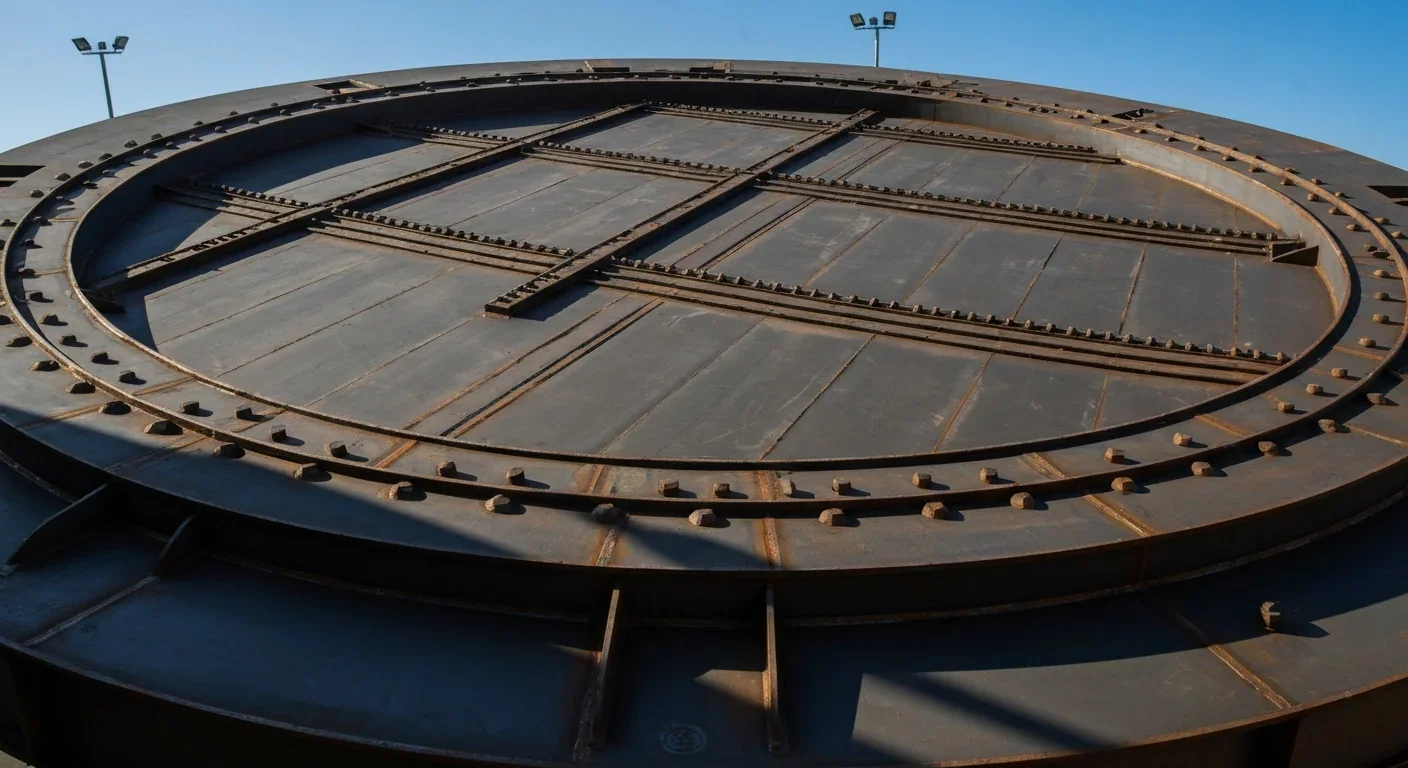
Project Orion was a real 1960s program to reach other stars by detonating 800 nuclear bombs behind a spacecraft. The physics worked and the engineering was feasible, but the 1963 nuclear test ban treaty killed it. It remains the most credible interstellar spacecraft ever designed.

The locus coeruleus, a tiny brainstem structure, degenerates decades before Alzheimer's symptoms appear. Its loss cripples the brain's inflammation control, waste clearance, and sleep regulation. New imaging tools and noradrenergic therapies offer hope for early detection and prevention.
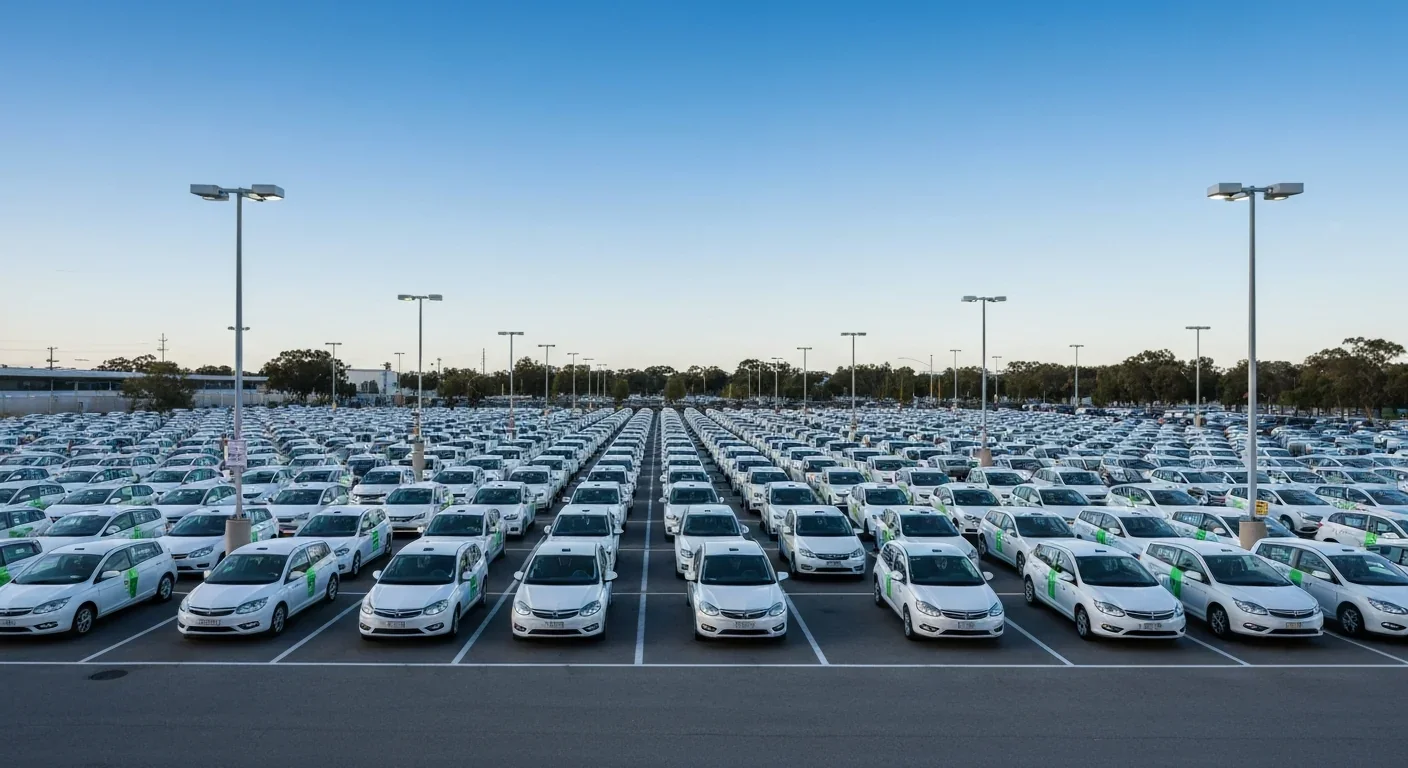
Research shows the sharing economy often increases total resource consumption through the Jevons paradox and rebound effects. Ride-sharing adds billions of vehicle miles, co-working spaces use more energy per worker, and diffused responsibility erodes conservation behavior. Breaking the paradox requires congestion pricing, accountability design, and matching sharing models to appropriate resource types.

Psychological reactance theory explains why banning or restricting things makes people want them more. From Prohibition to the Streisand effect to scarcity marketing, research shows that threatening people's freedom reliably backfires, and autonomy-supportive communication is far more effective.
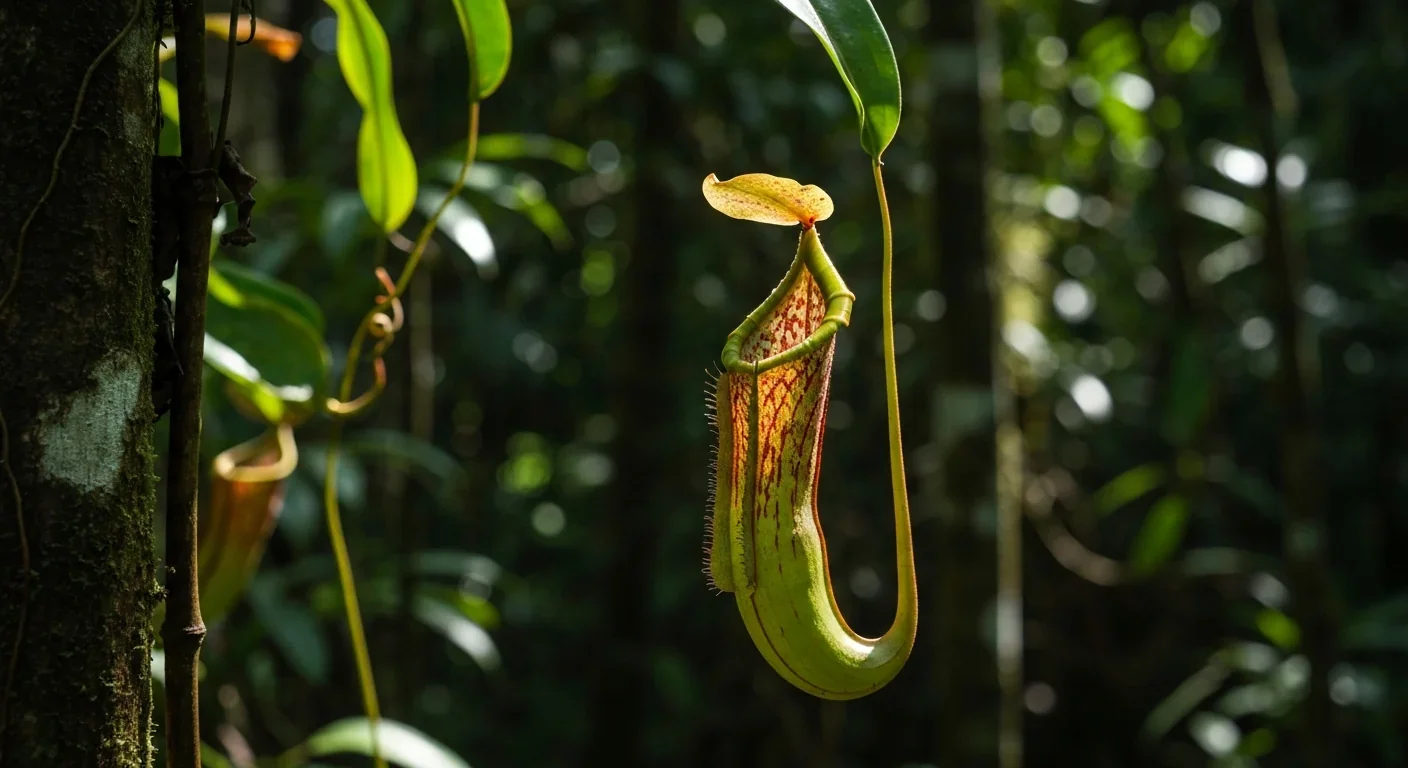
A carnivorous pitcher plant in Borneo evolved to house bats instead of trapping insects, gaining up to 95% of its nitrogen from bat guano. The plant even built an ultrasonic reflector to help bats find it, revealing that carnivory in plants is a flexible spectrum.

The quantified self movement began as a hacker-ethos pursuit of personal insight, but corporate wearables now funnel biometric data to employers, insurers, and data brokers. With 81% of Americans wrongly believing health apps are HIPAA-protected, a regulatory void enables health data to be sold for pennies while generating anxiety instead of empowerment.
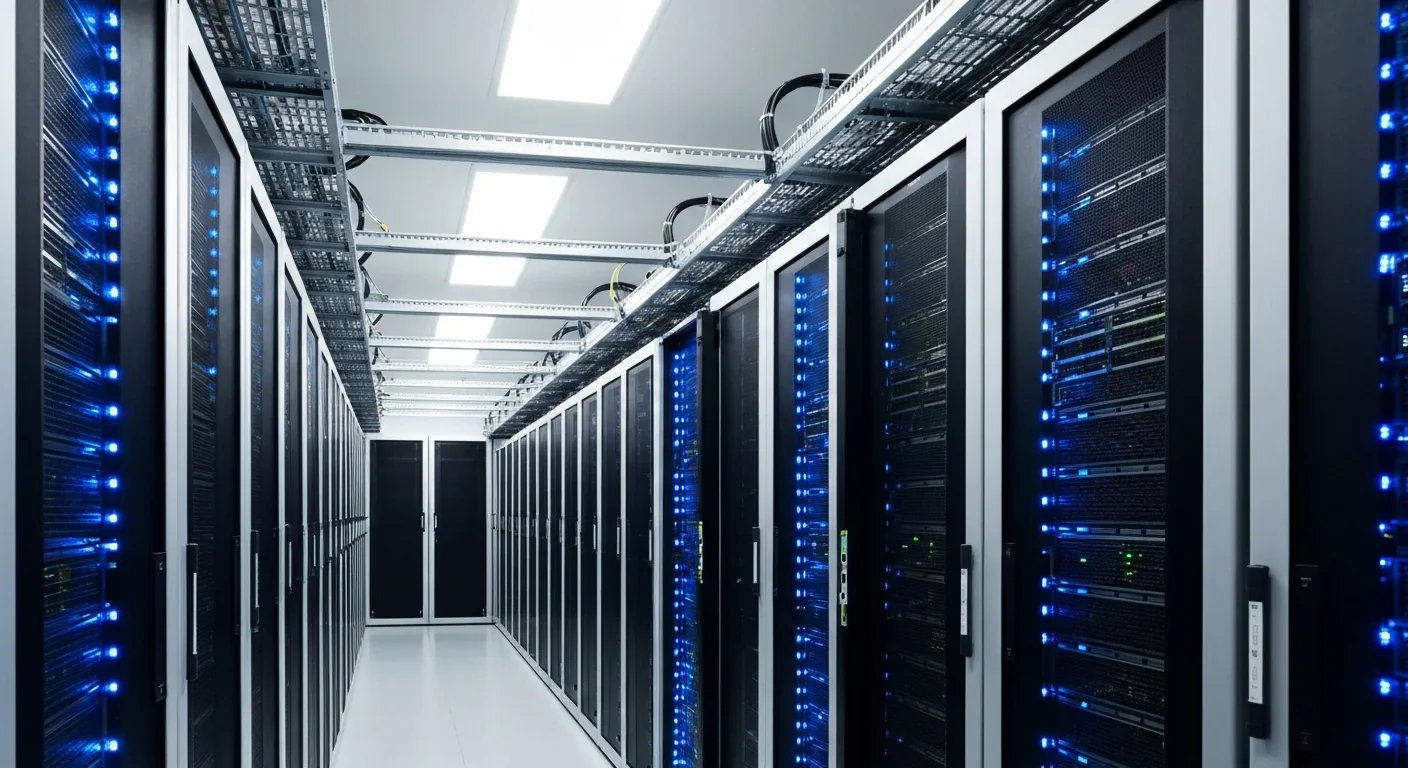
CXL memory pooling lets servers dynamically share DRAM over a cache-coherent interconnect, eliminating the 40% stranded memory waste in data centers. With commercial hardware now shipping and Azure deploying CXL cloud instances, this technology promises to cut memory costs by 50% while enabling composable infrastructure.

Loading featured articles...